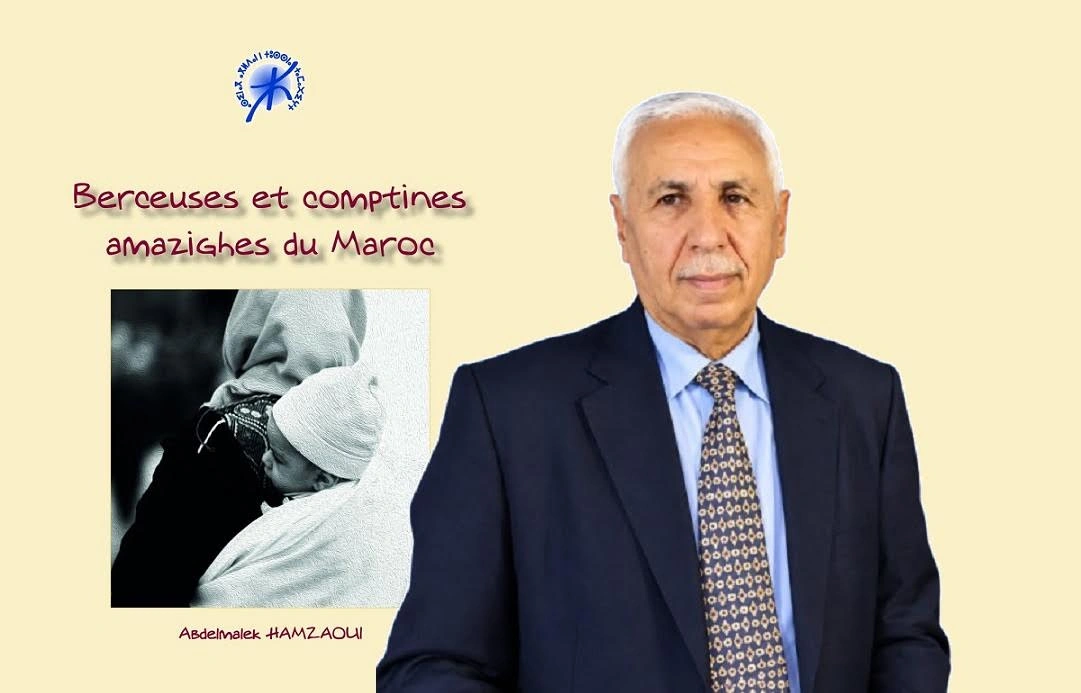
The Royal Institute of Amazigh Culture has released a new publication by researcher Abd al-Malik Hamzawi, titled "Lullabies and Berber Children's Songs in Morocco". The 200-page book is a collection of traditional songs and lullabies that have been passed down through generations in Moroccan families. Hamzawi conducted extensive field research to gather the material, which includes poems, songs, and lullabies that are an integral part of Morocco's oral heritage.
The book is a significant contribution to the preservation of Berber culture and language, as it documents a vital part of Morocco's intangible cultural heritage. Hamzawi's work aims to safeguard these traditional songs and lullabies from disappearing, as they are an essential part of Moroccan identity and collective memory. The researcher emphasizes the importance of preserving this heritage, particularly in the face of modernization and changing lifestyles.
The publication is divided into five main sections, covering various themes such as lullabies, children's songs, and Jewish-Berber songs. The book also explores the cultural and linguistic significance of these traditional songs, highlighting their role in shaping Moroccan identity and culture. Hamzawi's research provides a unique insight into the country's rich cultural heritage and the importance of preserving it for future generations.
Hamzawi's interest in documenting Berber culture and oral heritage dates back to previous years. In 2013, he published a book on the life and work of Mohammed Rwicha, a prominent Moroccan musician. He has also published other works, including "Treasures of the Middle Atlas" and "The Unforgettable: Masters of Berber Art". These publications demonstrate Hamzawi's commitment to preserving and promoting Berber culture and heritage.
The book on lullabies and children's songs is not only a collection of traditional songs but also a call to action to promote the use of Berber language and culture in education. Hamzawi argues that incorporating this heritage into school curricula will help to preserve it and make it more accessible to younger generations. This approach will also contribute to promoting cultural diversity and understanding in Morocco.
The publication of "Lullabies and Berber Children's Songs in Morocco" is a significant event in the cultural landscape of Morocco. It highlights the importance of preserving traditional heritage and promoting cultural diversity. The book is a valuable resource for researchers, educators, and anyone interested in Moroccan culture and Berber heritage.
The book's release coincides with various cultural events and festivals in Morocco, including the 11th edition of the Mawazine festival and the first edition of the Morocco Design event. These events celebrate Moroccan culture and creativity, and Hamzawi's book is an important contribution to this cultural landscape.
Key points
- The book "Lullabies and Berber Children's Songs in Morocco" is a significant contribution to the preservation of Berber culture and language.
- The publication highlights the importance of preserving traditional heritage and promoting cultural diversity in Morocco.
- The book is a valuable resource for researchers, educators, and anyone interested in Moroccan culture and Berber heritage.