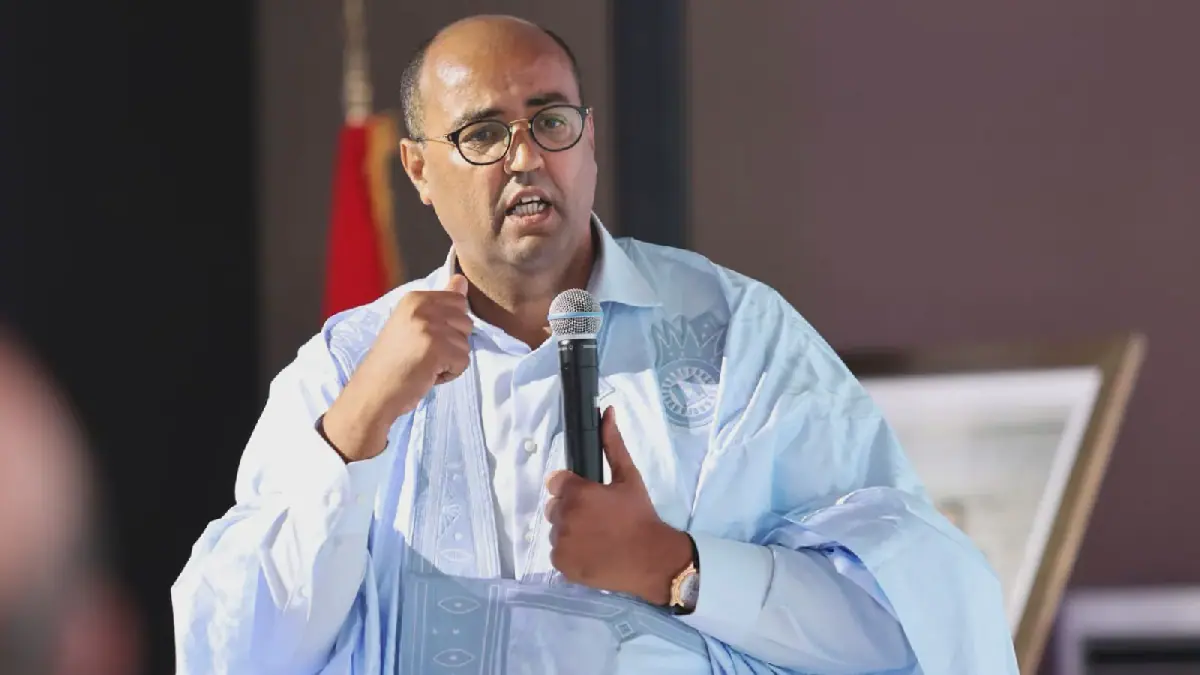
In a recent interview with Fox News, Sidi Hamdi Ould Errachid, president of the Laâyoune–Sakia El Hamra region, stated that Morocco remains committed to finding a political solution to the Sahara dispute within the framework of its sovereignty. He emphasized that the country will move forward with implementing its autonomy plan, regardless of whether other parties agree or not. This stance was expressed as part of Morocco's ongoing efforts to address the longstanding Sahara issue.
The Sahara dispute has been a contentious issue for many years, with Morocco claiming sovereignty over the region and the Polisario Front, supported by Algeria, pushing for independence. The situation has led to a complex and delicate diplomatic situation, with various international actors attempting to mediate a resolution. Ould Errachid's comments highlight Morocco's determination to assert its authority in the region while seeking a peaceful solution.
The autonomy plan proposed by Morocco aims to grant the Sahara region a degree of self-governance while maintaining Moroccan sovereignty. The plan has been presented as a potential solution to the conflict, allowing for local administration and decision-making while ensuring Morocco's territorial integrity. However, the Polisario Front and other opposing parties have expressed concerns about the plan, citing potential limitations on regional autonomy.
Ould Errachid's interview with Fox News underscores Morocco's commitment to implementing its autonomy plan, even if it means proceeding without the agreement of other parties. This stance may have significant implications for the future of the Sahara region and the ongoing diplomatic efforts to resolve the conflict. The international community has been closely watching developments in the region, with many urging a peaceful and negotiated solution.
The Moroccan government's position on the Sahara issue has been clear, with officials consistently emphasizing the country's sovereignty and territorial integrity. The autonomy plan is seen as a key component of Morocco's strategy to address the conflict, providing a framework for regional governance and development. However, the Polisario Front and its supporters remain opposed to the plan, citing concerns about regional autonomy and self-determination.
The Sahara dispute has significant implications for regional stability and security, with many countries and international organizations calling for a peaceful resolution. Morocco's determination to implement its autonomy plan, despite potential opposition, highlights the complexities of the conflict and the challenges of finding a mutually acceptable solution. Diplomatic efforts are ongoing, with various international actors engaged in attempts to mediate a resolution.
As Morocco moves forward with its autonomy plan, the international community will be watching closely for developments in the region. The situation remains complex and sensitive, with many stakeholders invested in finding a peaceful and sustainable solution to the Sahara conflict. Ould Errachid's comments have provided insight into Morocco's position, highlighting the country's commitment to its sovereignty and territorial integrity.
Key points
- Morocco will implement its autonomy plan for the Sahara region despite potential disagreement from other parties.