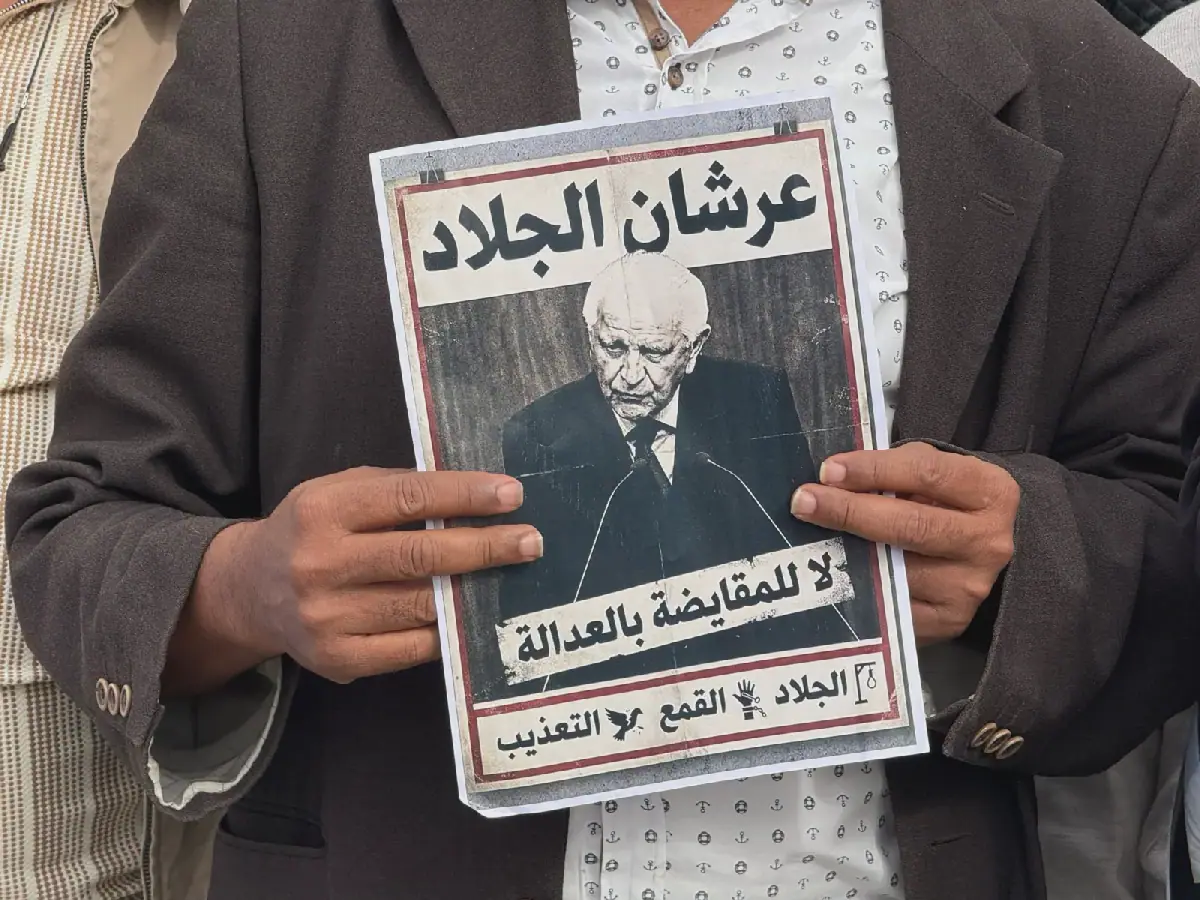
In a show of solidarity and defiance, hundreds of protesters gathered in Tifelt, Morocco, to demand action against Mahmoud Errachane, a controversial figure they accuse of perpetuating oppression. The rally, which took place on a Saturday, was part of a weekly tradition that has been ongoing for some time. Protesters, representing various leftist groups and parties, came together to voice their discontent and demand accountability. They argue that Errachane's actions and statements have contributed to a climate of fear and intimidation.
The protests in Tifelt have become a focal point for Morocco's leftist movement, which seeks to challenge the status quo and push for greater freedoms. The city's relatively small size and proximity to the capital, Rabat, make it an ideal location for mobilizing and organizing. Protesters see Tifelt as a symbol of resistance and a beacon of hope for change. They aim to transform the city into a hub for revolutionary ideas and actions, inspiring others to join their cause. By doing so, they hope to create a ripple effect that will spread throughout the country.
At the heart of the protests is Errachane, a figure who has become synonymous with oppression and injustice. Protesters accuse him of using his position to silence dissenting voices and stifle free speech. They demand that he be held accountable for his actions and that his influence be curtailed. The protests also highlight the challenges faced by Morocco's leftist movement, which often struggles to make its voice heard in a country dominated by centrist and conservative forces. Despite these challenges, protesters remain determined to push for change and create a more just and equitable society.
The weekly protests in Tifelt have become an essential part of the leftist movement's strategy, allowing them to mobilize and organize on a regular basis. By gathering every Saturday, protesters aim to maintain momentum and keep their demands in the public eye. They also use the opportunity to engage with local communities, raise awareness about their cause, and build support for their movement. As the protests continue, it remains to be seen how the Moroccan authorities will respond to the growing demands for change.
The protests in Tifelt have also sparked a wider conversation about the role of leftist movements in Moroccan society. Some argue that the leftist movement is essential for promoting social justice and challenging the existing power structures. Others see the movement as a threat to stability and security. As the debate continues, protesters in Tifelt remain committed to their cause, determined to create a better future for themselves and for generations to come.
Despite the challenges they face, protesters in Tifelt are undeterred, drawing inspiration from their own resilience and determination. They see their movement as part of a broader struggle for human rights and social justice, one that extends beyond Morocco's borders. As they continue to mobilize and organize, they hope to build a stronger, more united movement that can bring about meaningful change. Their message is clear: they will not be silenced, and they will continue to demand action until their demands are met.
As the protests in Tifelt enter a new phase, it remains to be seen what the future holds for Morocco's leftist movement. Will the protesters succeed in their demands, or will they face further repression? One thing is certain: the people of Tifelt have made their voices heard, and they will continue to do so until their demands are met. The Moroccan authorities would do well to listen to their concerns and address the issues that have driven the protests. By doing so, they can help to build a more just and equitable society, one that values freedom, justice, and human rights.
Key points
- Protesters in Tifelt demand action against Mahmoud Errachane, a figure they accuse of perpetuating oppression.