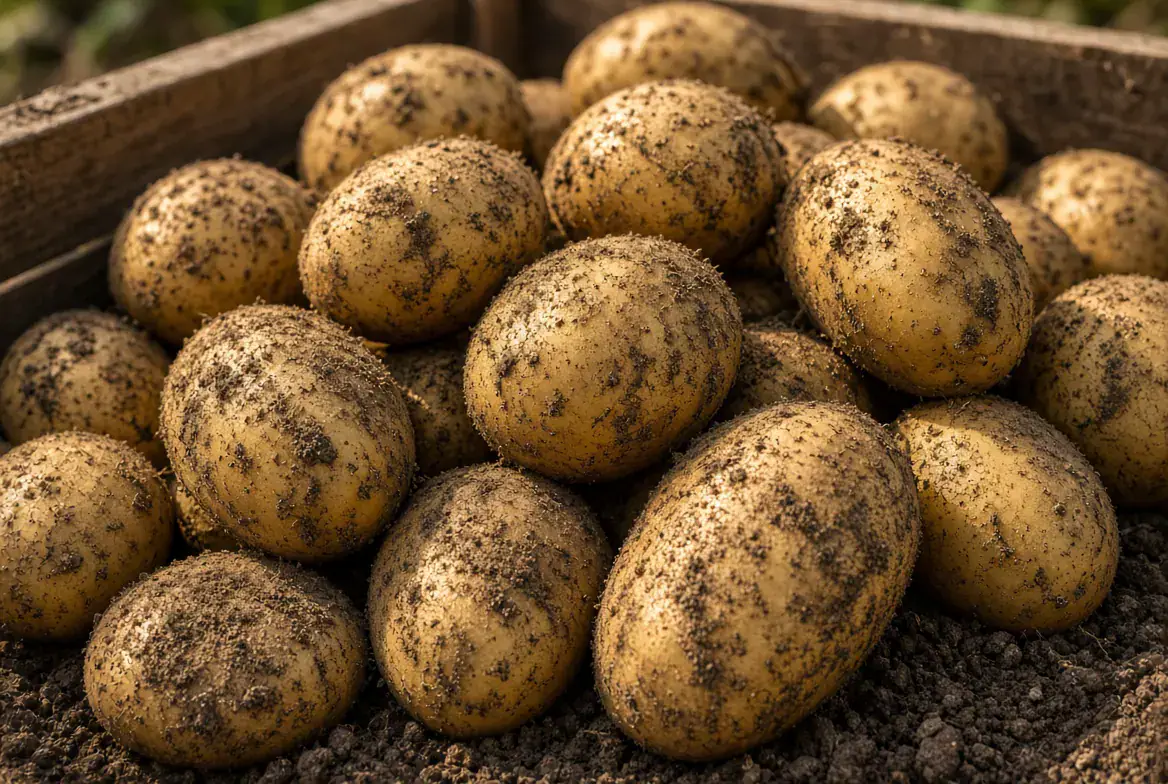
A growing number of Moroccan farmers are voicing their discontent over delayed or unpaid subsidies for potato production. The subsidies, specifically for seed and seedling purchases, cover the 2025 and 2026 farming seasons. This issue has escalated to the parliamentary level, with the Socialist group in the House of Representatives submitting a written question to Agriculture Minister Khalid Hatimi. The question, posed by parliamentarian Fadel Bras, highlights the struggles of potato producers who have not received or have experienced delays in receiving allocated funds.
The delayed payments affect two consecutive farming seasons, raising concerns about the management of subsidy disbursements and ensuring timely support for farmers. These subsidies are crucial as they directly relate to production costs and farmers' ability to finance their seasons. Similar complaints have surfaced in other regions, such as the Larache and Sidi Bennour provinces, where potato and vegetable producers are awaiting exceptional support payments despite completing administrative procedures and submitting their files.
The Moroccan Agriculture Ministry had stopped accepting new subsidy requests starting from the end of April 2025, citing improved weather conditions and declining international prices. However, outstanding files from previous seasons continue to cause frustration among producers, affecting their financial liquidity and preparedness for upcoming seasons. Farmers fear that prolonged delays will impact production volumes and the stable supply of potatoes in the national market.
Potatoes are a staple in daily consumption in Morocco, and rising agricultural input costs exacerbate the situation. The situation in Morocco unfolds as Algeria, a major African potato producer with an annual output of approximately 4.6 million tons, faces a severe supply crisis and price hikes in November 2026. In Algeria, the price of a kilogram of potatoes in retail markets surged to 150-180 Algerian dinars in many areas, surpassing the official price cap.
The Algerian crisis is primarily attributed to a seasonal gap between the depletion of old stock and the harvest of new crops in major production areas like the El Oued province. Factors contributing to the crisis include reduced cultivated areas in 2026 following very low prices in the previous season, limited cold storage capacity, and the impact of price caps on intermediaries' margins.
Despite some officials denying the existence of a real crisis, labeling it as “rumors,” complaints about scarcity and long queues at sales points confirm imbalances in managing the potato sector. The Algerian situation highlights the complexities of agricultural production and market regulation in North Africa.
The delayed subsidy payments and supply chain issues in both Morocco and Algeria underscore the challenges faced by farmers and governments in ensuring stable food production and distribution. As both countries navigate these issues, the impact on food security and market stability will be closely monitored.
Key points
- Moroccan potato farmers face delayed subsidy payments, affecting their production and financial stability.
- Algeria experiences a severe potato supply crisis and price hikes due to seasonal gaps and production challenges.
- The issues in both countries highlight the complexities of agricultural production, market regulation, and food security in North Africa.
Reporting sources
- بعد الجزائر.. مزارعو البطاطس في المغرب غاضبون · tanja7.com