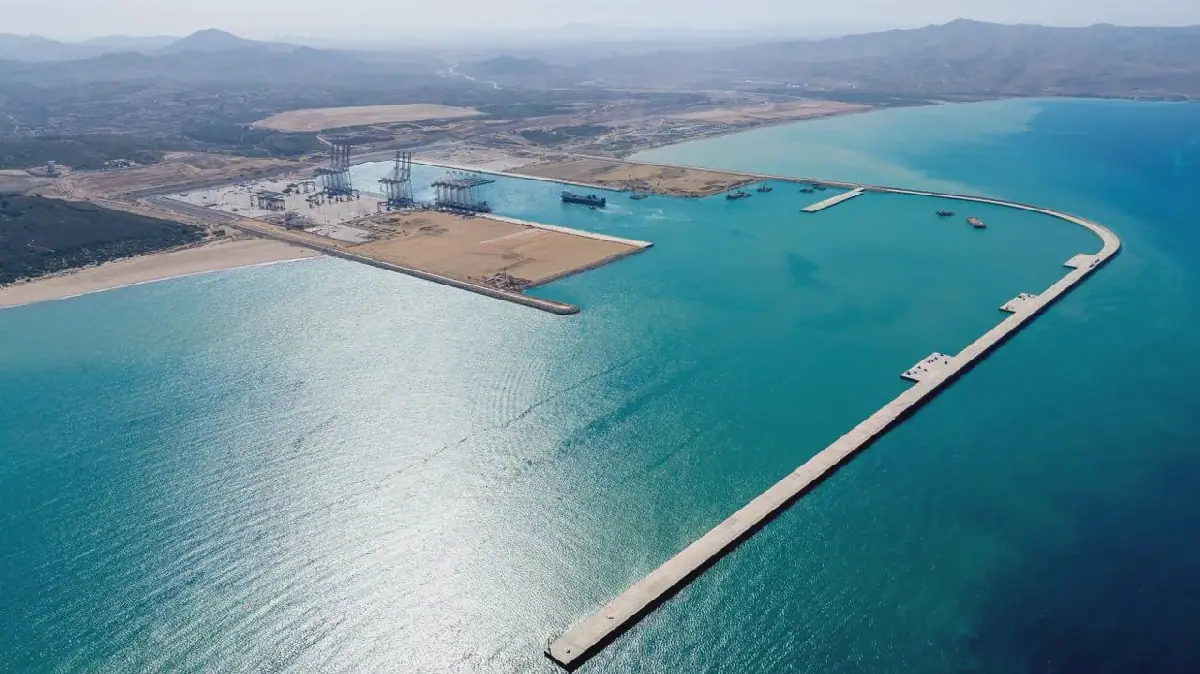
A recent report by Lloyd's Register highlights the need for Moroccan ports to develop their green bunkering capabilities. The report, titled "Fuel for Thought: Ports," notes that the global shipping industry is rapidly adopting alternative fuels, with 1,942 ships capable of using alternative fuels on order as of early 2026. This represents nearly half of the total tonnage ordered during the same period.
The report emphasizes that the supply of ports able to provide these alternative fuels is limited. While 222 ports can supply liquefied natural gas (LNG), only 25 ports offer methanol, and just one port, Ulsan, has conducted a commercial ammonia bunkering operation. This shortage poses a significant challenge for Moroccan ports, including Tanger Med and Nador West Med, which must now go beyond their traditional role as transshipment hubs.
Tanger Med, Morocco's first port complex, is well-positioned to play a key role in the green bunkering market. The port has been operating since 2011 and has experience with barge-based fueling operations. According to the World Bank, the port handles around 1.5 million tons of marine fossil fuels annually. However, the port must now adapt to meet the changing needs of the shipping industry.
The report suggests that ports should focus on developing specific segments of demand rather than trying to provide a wide range of alternative fuels. This approach will require careful planning and investment in infrastructure, safety procedures, and staff training. Kamran Ul Haq, senior vice president of LR Ports Advisory, notes that the transformation of the shipping industry's fuel mix is happening faster than the development of port infrastructure.
Methanol is one of the most promising alternative fuels, with 385 ships on order. However, its use requires specific safety procedures and handling facilities. The report cites examples of successful methanol bunkering operations in Shanghai and Houston, but notes that these have been limited. Ammonia, another alternative fuel, is even more challenging due to its toxicity and requires specialized handling and safety equipment.
The development of green bunkering capabilities in Moroccan ports will require significant investment and planning. However, it also presents an opportunity for the country to establish itself as a leader in the region and to capitalize on its strategic location. By adapting to the changing needs of the shipping industry, Moroccan ports can ensure their long-term viability and competitiveness.
The Moroccan government has already taken steps to develop the country's port infrastructure, including the launch of the Tanger Med 3 project. The project aims to increase the port's container handling capacity to 20 million containers. The development of green bunkering capabilities will be an important part of this effort, and will help to ensure that Moroccan ports remain competitive in a rapidly changing global shipping market.
Key points
- Moroccan ports must adapt to provide alternative fuels for ships as the global shipping industry shifts towards cleaner energy sources.
- The supply of ports able to provide alternative fuels is limited, posing a significant challenge for Moroccan ports.
- Developing green bunkering capabilities will require significant investment and planning, but presents an opportunity for Moroccan ports to establish themselves as leaders in the region.
Reporting sources
- Carburants alternatifs: les ports marocains face au défi du soutage vert · Challenge Hebdo