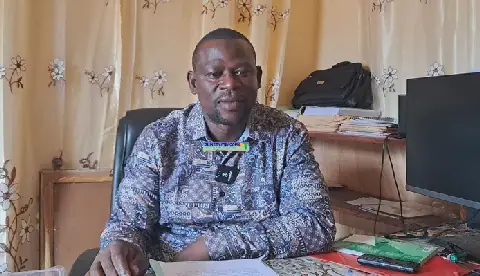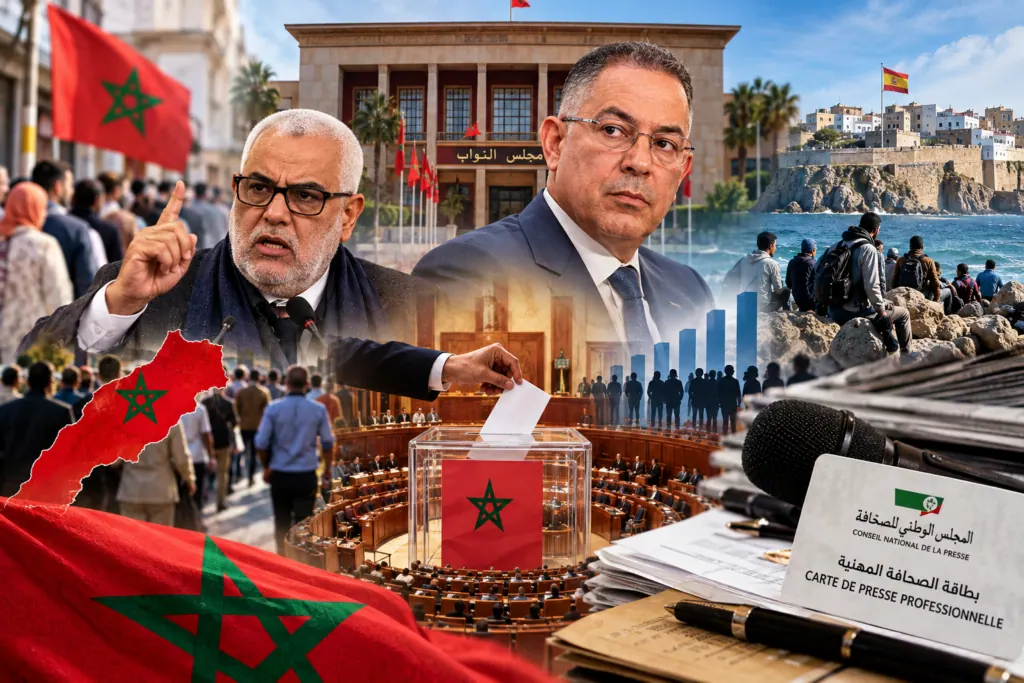
Moroccan journalist Abu Wail Al-Rifi recently shared his insights on the country's recent elections and their implications for the nation's politics and journalism. In his analysis, Al-Rifi highlighted the changing landscape of Moroccan politics, where the recent elections have led to a new parliamentary map. He emphasized that the elections sent multiple messages to political parties, primarily the continued decline in interaction with representative democracy and the need for a serious discussion about the ability of parties and media to engage with citizens.
The recent elections saw the rise of the Authenticity and Modernity Party (PAM), which secured 97 seats, followed by the National Rally of Independents (RNI) with 66 seats, and the Independence Party with 65 seats. The Justice and Development Party (PJD), led by Abdelilah Benkirane, secured 54 seats, marking a significant shift in the country's political landscape. Al-Rifi attributed the success of PAM to the role played by its leader, Fouzi Lekjaa, and the party's electoral program, which focused on social commitments, including proposals related to pensions, direct social support, and electricity bills.
Al-Rifi emphasized that the next stage requires a strong and cohesive government capable of transforming campaign promises into concrete policies. He stressed that addressing the decline in purchasing power and selecting ministers based on competence, specialization, and ability to communicate and take responsibility should be top priorities. Additionally, Al-Rifi noted that the new parliamentary composition allows for a more robust opposition, which is essential for improving public policies.
Al-Rifi also criticized Benkirane's behavior during the election day, particularly his interaction with a representative of the authority at a polling station. He argued that the dispute over the application of legal procedures could have been managed through institutional channels. Al-Rifi called on Benkirane to apologize for his behavior, citing his previous political responsibilities and stated references.
The journalist also touched on the recent developments in Brussels, where a rally was organized under the slogan of "self-determination for the Rif." Al-Rifi strongly criticized the organizers, accusing them of being linked to Algeria and benefiting from its support. He also addressed the relations with Spain, particularly in the context of migration, and criticized some Spanish media coverage, which he deemed contradictory in its reading of the Moroccan position.
Furthermore, Al-Rifi discussed the issue of rebuilding the National Press Council, considering the election of its president and vice president as a step towards completing the self-regulation institutions of the profession. He rejected objections to the process simply because the results did not match the desires of some parties, while affirming the right of any party to challenge through the competent institutions.
Finally, Al-Rifi emphasized that the new Press Council must adhere to the law and possess a project that makes it a credible interlocutor for state institutions and a defender of journalism. He called for a review of professional card files, stricter adherence to the conditions for granting them, and scrutiny of public support files to ensure they reach their rightful recipients.
Key points
- The recent Moroccan elections have led to a new parliamentary map, with the Authenticity and Modernity Party (PAM) securing 97 seats.
- Journalist Abu Wail Al-Rifi criticized the behavior of Abdelilah Benkirane during the election day and called for an apology.
- Al-Rifi emphasized the need for a strong and cohesive government capable of transforming campaign promises into concrete policies.