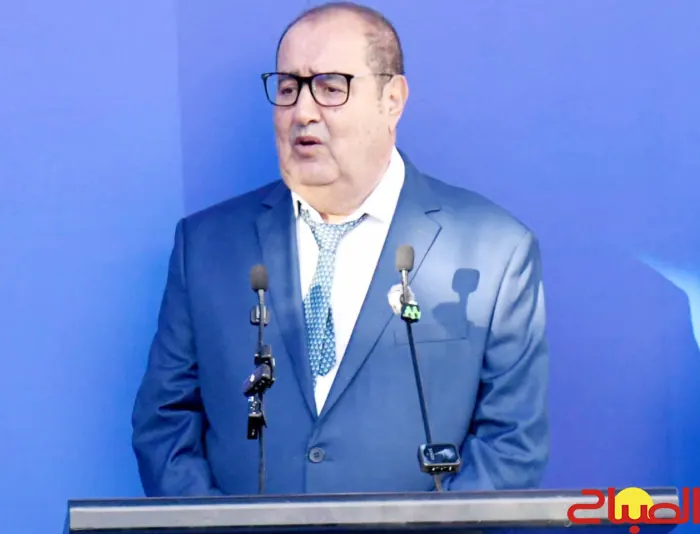
A prominent Moroccan politician, Lashkar, has voiced his opposition to the involvement of Al-Harakah in the country's government. This development has sparked interest in the country's political landscape, particularly in light of recent discussions around government formation. According to reports, Lashkar's stance may impact the coalition's composition. The politician's concerns regarding Al-Harakah's participation have raised questions about the potential implications for the government's stability and effectiveness.
Lashkar's opposition to Al-Harakah's involvement in the government comes amid speculation about the coalition's potential makeup. Sources suggest that the government might be formed with four parties, excluding some of the smaller parties. This move could have significant implications for the country's politics, as it may lead to a more streamlined decision-making process. However, it also raises concerns about representation and the potential marginalization of certain groups.
The formation of the government has been a topic of discussion in Morocco, with various parties vying for inclusion. Al-Harakah's potential participation had been a subject of interest, but Lashkar's opposition may alter the dynamics. The politician's stance reflects broader concerns about the government's composition and its ability to address the country's challenges. As the situation unfolds, it will be crucial to monitor the developments and their impact on Morocco's politics.
Lashkar's comments have sparked a mix of reactions from different quarters. While some have expressed support for his stance, others have raised concerns about the potential consequences of excluding Al-Harakah from the government. The situation highlights the complexities of Moroccan politics, where various factions and interests are often at play. As the country navigates this challenging period, it will be essential to prioritize stability and effective governance.
The government's formation is critical for Morocco, as it will shape the country's policy direction and address pressing issues. The coalition's composition will likely have far-reaching implications for the country's economy, social policies, and international relations. As the situation evolves, stakeholders will be closely watching the developments and their potential impact on Morocco's future.
Lashkar's opposition to Al-Harakah's involvement in the government underscores the challenges of building a cohesive and effective coalition. The process of government formation often involves complex negotiations and compromises. In this case, Lashkar's stance has added a new layer of complexity to the discussions. The outcome will depend on various factors, including the parties' ability to find common ground and prioritize the country's interests.
The situation in Morocco highlights the dynamic nature of the country's politics. As the government formation process unfolds, it will be crucial to monitor the developments and their implications for the country's stability and progress. The involvement of various parties and stakeholders will shape the country's future, and their ability to work together will be critical in addressing Morocco's challenges.
Key points
- Lashkar opposes Al-Harakah's participation in the Moroccan government.