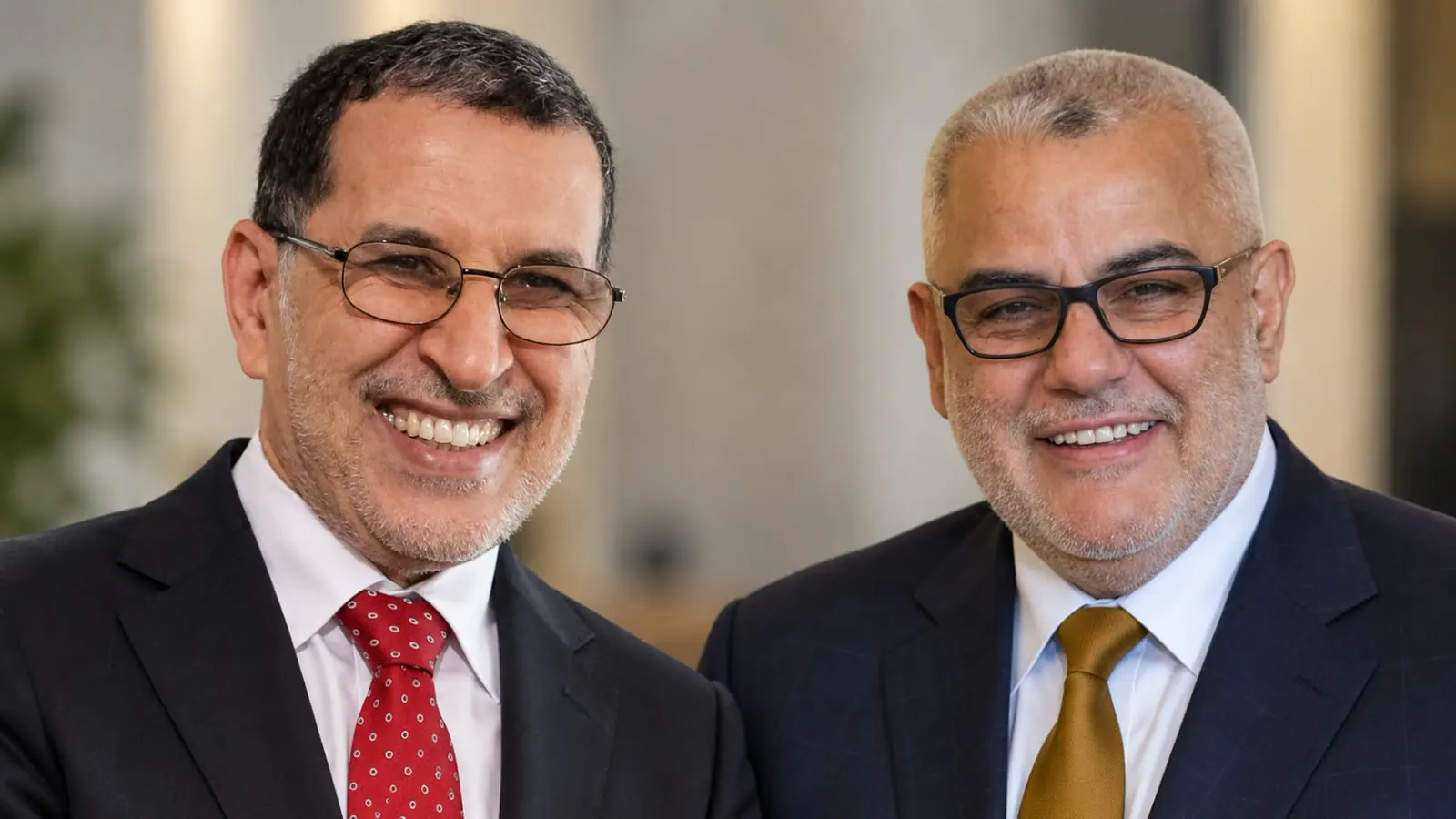
On October 6, 2026, Abd al-Ilah Ibn Kiran, the general secretary of Morocco's Justice and Development Party, issued a clarification regarding his recent statements about Saad al-Din al-Othmani, the former head of government and general secretary of the party. Ibn Kiran expressed regret over his previous comments and emphasized the strength of their relationship. He explained that his words were taken out of context and meant to address concerns about al-Othmani's involvement in certain activities.
The controversy began when Ibn Kiran called on al-Othmani to refrain from participating in certain party activities during a meeting in the Nouasseur province. This was in response to al-Othmani's signature on the 2020 agreement to normalize relations between Morocco and Israel. Ibn Kiran claimed that his comments were a reaction to statements made by Abdul Latif Wahbi and that he was concerned that al-Othmani's actions might be exploited by party opponents.
Ibn Kiran highlighted the long history of cooperation and mutual respect between him and al-Othmani, which spans several decades. He emphasized that his intention was not to harm al-Othmani's reputation and offered a sincere apology for any offense caused. This development has sparked a broader discussion about the party's trajectory and its future.
In December 2020, Ibn Kiran defended al-Othmani's decision to sign the normalization agreement, stating that it was made within the scope of his governmental responsibilities. However, the recent revival of this issue raises questions about the circumstances surrounding the decision and the responsibilities of various parties involved.
The incident has occurred at a time when the Justice and Development Party is attempting to reorganize and regain its political presence. The party's former leaders, including al-Othmani, have been active in various activities, contributing to a larger debate about the party's path and future.
The phrase "طاحت الصمعة، علّقوا الحجام" or "the mortar fell, and they suspended the cupping glass" has been used to describe the situation, implying that the focus on one individual might overshadow the institutional and political context in which decisions were made.
The apology and clarification from Ibn Kiran mark a significant development in Moroccan politics, highlighting the complexities of party dynamics and the challenges of navigating sensitive issues. The incident serves as a reminder of the ongoing debates within the Justice and Development Party and the need for clear communication and cooperation among its leaders.
Key points
- Ibn Kiran apologizes to al-Othmani over recent comments.
- The incident highlights the complexities of party dynamics in Morocco.
- The controversy revolves around al-Othmani's signature on the 2020 Morocco-Israel normalization agreement.