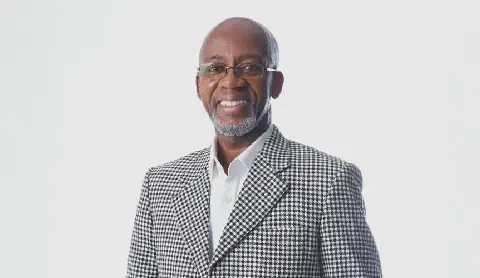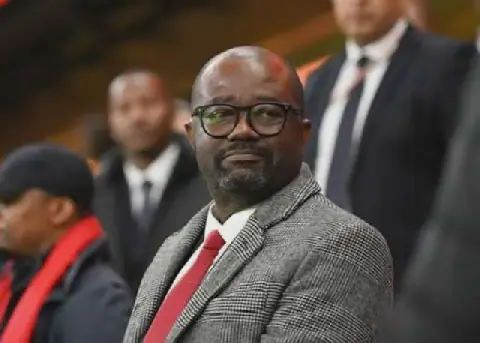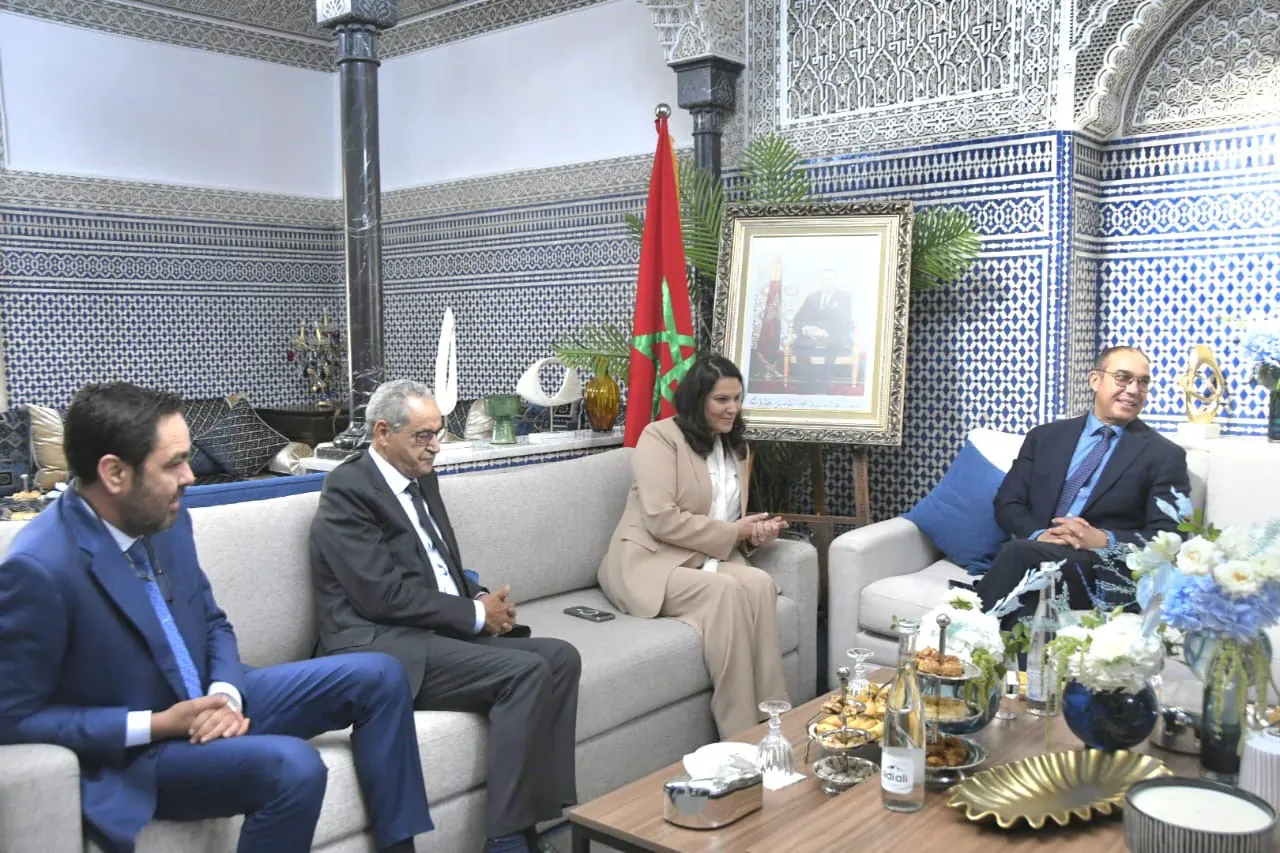
Moroccan politics is abuzz with activity as parties negotiate the formation of a new government. On a recent evening, a delegation from the Popular Movement party, led by Mohamed Ouzine, met with leaders of the Authenticity and Modernity Party at their headquarters in Rabat. The talks are part of a series of consultations aimed at forming a government coalition. The Popular Movement party's delegation included key figures such as Hicham Rahil and former Minister of Health advisor, Iat Talib.
The meetings are being led by Fatima Zahra El Mansouri, who was appointed by King Mohammed VI to form a new government. The negotiations aim to outline the framework of the future government coalition and discuss policy agreements between the parties involved. The talks are seen as a crucial step towards forming a stable government in Morocco. The presence of various political parties and media outlets underscores the significance of these discussions.
According to sources, these initial talks will be followed by further discussions next week, which are expected to shed more light on the composition of the future government. It is likely that the Authenticity and Modernity Party will form the backbone of the coalition, with potential support from other parties, including the Popular Movement. The negotiations are taking place against the backdrop of Morocco's complex political landscape.
The Popular Movement party's participation in the talks is being closely watched, as its stance on key issues could influence the government's agenda. The party's leaders have been engaging with other political forces to build a broad coalition that can tackle Morocco's economic and social challenges. The outcome of these talks will be crucial in determining the direction of the country.
Morocco's government formation process is often complex and involves extensive negotiations between parties. The talks between the Popular Movement and Authenticity and Modernity Party are part of a broader effort to build a stable and effective government. The involvement of key leaders and the presence of media attention highlight the significance of these discussions.
The new government's agenda will likely focus on addressing Morocco's economic and social issues, including unemployment, corruption, and social inequality. The negotiations are taking place at a time when Morocco is seeking to strengthen its economy and improve living standards for its citizens. The outcome of these talks will have a significant impact on the country's future.
The talks are ongoing, and the final composition of the government remains uncertain. However, with the involvement of key parties and leaders, there is optimism that a stable and effective government can be formed. The negotiations will continue in the coming weeks, and the outcome will be closely watched by Moroccans and international observers alike.
Key points
- The Popular Movement party's participation in government formation talks could influence the government's agenda.
- The Authenticity and Modernity Party is expected to form the backbone of the coalition government.
- The negotiations aim to address Morocco's economic and social challenges.