The Moroccan pharmacists' association, "Im Pharama", has expressed concerns that the government's plan to open up the pharmacy sector to investment could lead to the closure of thousands of pharmacies. The association's executive president, Hassnaa Mamon, stated that the move could push many pharmacies to the brink of bankruptcy. The pharmacists' association organized a protest in Rabat on April 9 to defend their profession against what they described as "financial invasion".
According to the association, Morocco has 14,000 pharmacies, with one pharmacy per 2,700 citizens, compared to the World Health Organization's recommendation of one pharmacy per 5,000 citizens. The sector also comprises 56 pharmaceutical manufacturing facilities and 66 distribution companies. The association presented indicators that reflect the decline of the sector, including the fact that local production covers 70% of the country's needs in terms of volume, but only 50% in terms of value.
The association is calling for a new economic model that goes beyond the profit margin of medicines. They propose that pharmacists be allowed to provide additional services, such as substitution, vaccination, and rapid testing, to make pharmacies more comprehensive healthcare centers. The association also wants to see stricter controls on the sale of medicines outside the legal framework and an end to the prosecution of pharmacists under a 1922 decree.
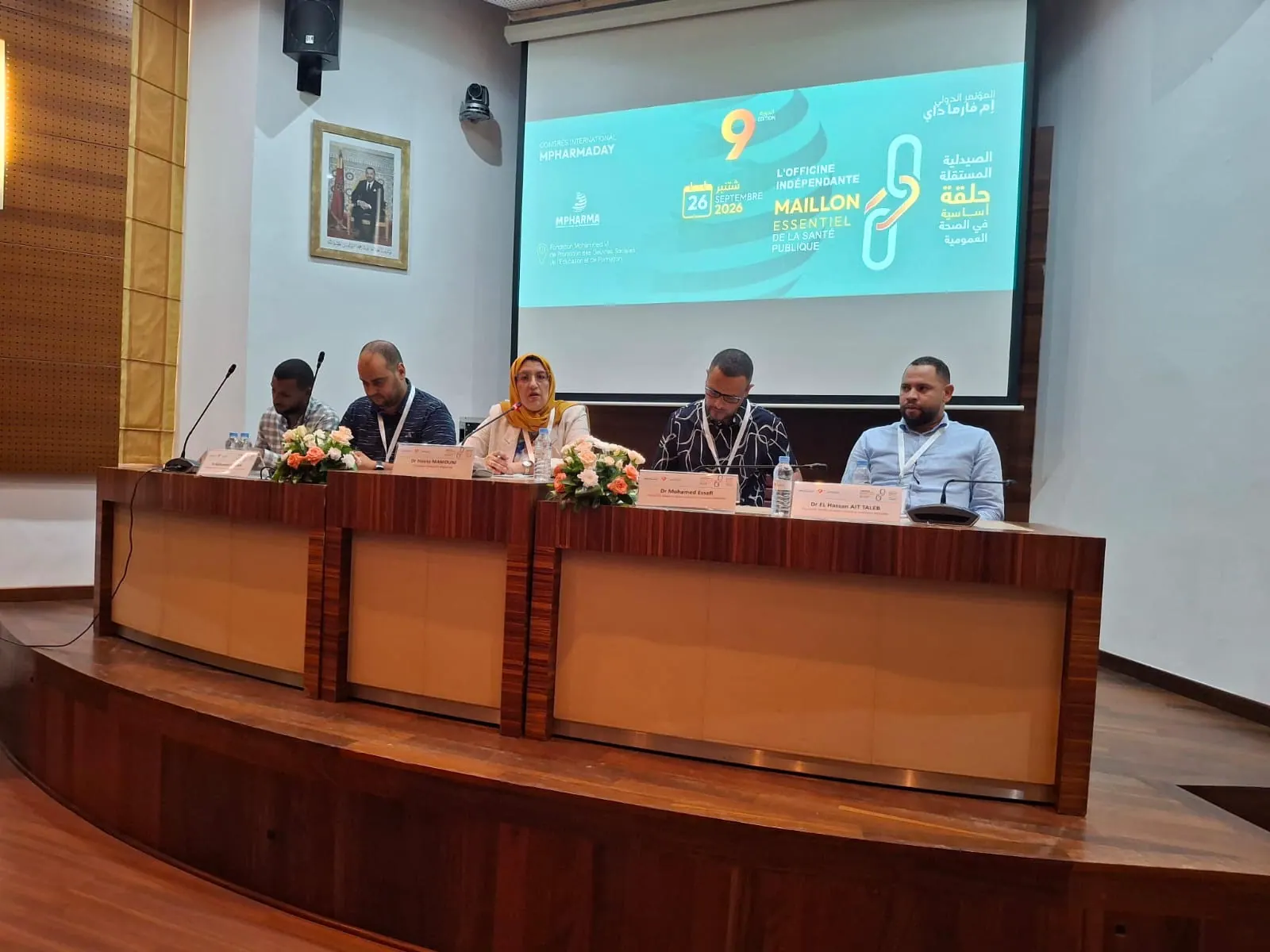
The pharmacists' association presented its concerns at a press conference held on the sidelines of its ninth conference in Rabat. The conference, themed "Independent Pharmacy: A Key Component of Public Health", aimed to highlight the importance of pharmacies in the healthcare system. The association's proposals include adopting a new economic model, expanding pharmacists' roles, and establishing a participatory approach with pharmacists' representatives.
The conference resulted in a series of recommendations, including the preservation of independent pharmacies, measures to support pharmacies in the face of reduced medicine prices, and the establishment of a new economic model. The recommendations also called for the postponement of the implementation of a 2018 decree regulating the pharmacy sector and the holding of regional council elections as soon as possible.
The Moroccan government has been considering reforms to the pharmacy sector, including the opening up of capital to investment. However, the pharmacists' association is opposed to the move, citing concerns about the impact on small pharmacies and the potential for foreign investors to dominate the sector. The association is seeking a more comprehensive approach to healthcare that prioritizes the needs of patients and pharmacists.
The recommendations of the pharmacists' association are set to be presented to the government, which will consider them as it moves forward with its plans to reform the pharmacy sector. The outcome of the government's plans and the response of the pharmacists' association will have significant implications for the future of healthcare in Morocco.
Key points
- The Moroccan pharmacists' association has warned that the government's plan to open up the pharmacy sector to investment could lead to the closure of thousands of pharmacies.
- The association is calling for a new economic model that goes beyond the profit margin of medicines and allows pharmacists to provide additional services.
- The government has been considering reforms to the pharmacy sector, including the opening up of capital to investment, but the pharmacists' association is opposed to the move.