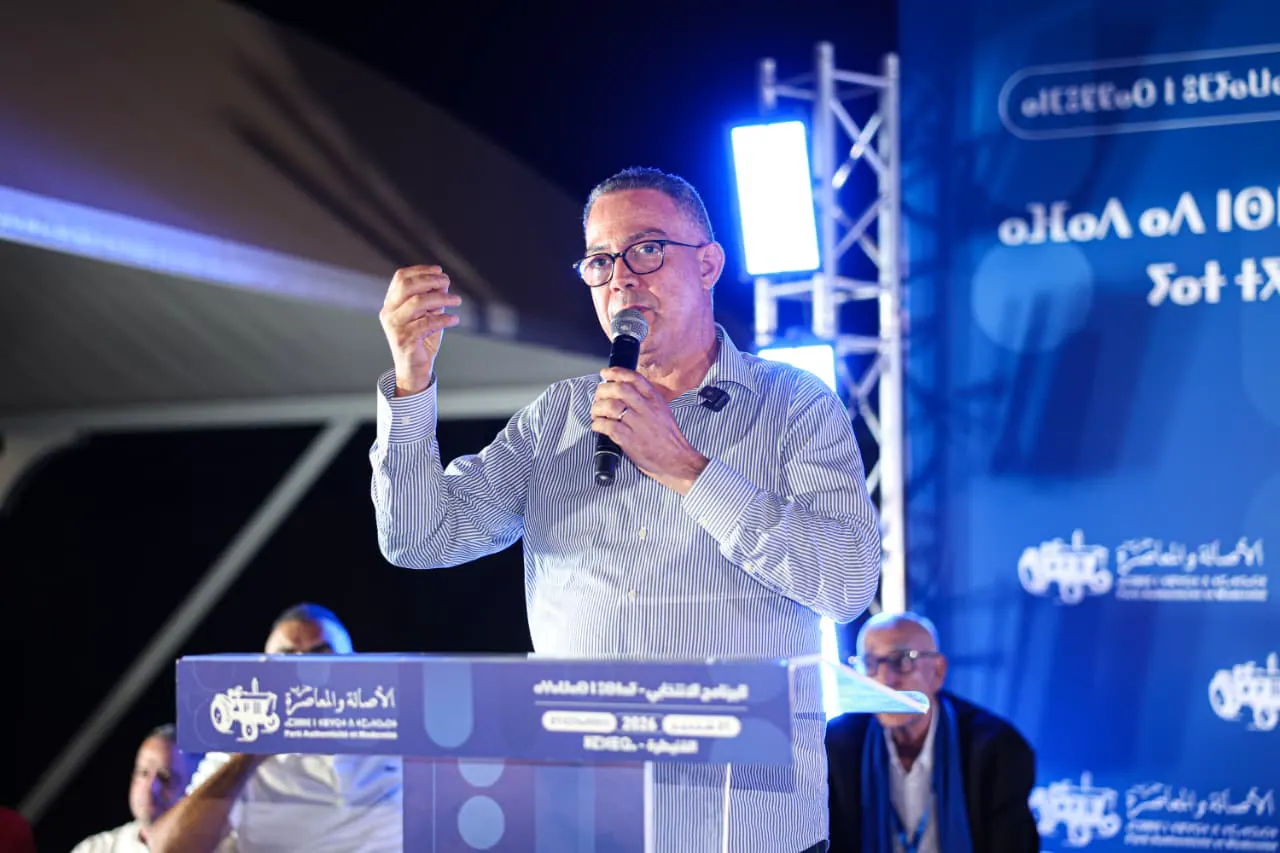
Morocco's Authenticity and Modernity Party (PAM) has presented a series of proposals aimed at enhancing the purchasing power of Moroccan citizens. During a meeting in the city of Kenitra on September 22, 2026, PAM member Fozzi Lekjaa outlined the party's electoral program, prioritizing improvements to the country's economic situation. The proposals focus on enabling Moroccans to purchase essential goods at affordable prices.
One of the key proposals involves establishing regional companies specializing in the transportation and distribution of consumer goods. This initiative aims to reduce the number of intermediaries between producers and consumers, ultimately leading to lower prices. Lekjaa emphasized that this approach would allow traders to participate under transparent and clear rules, making it unacceptable for prices to be manipulated.
The PAM also suggests implementing several social measures to support low-income households. These include exempting families with electricity consumption below 100 dirhams from paying their bills and improving the conditions of retirees. Additionally, the party proposes revising the income tax system to account for different income levels. These measures are designed to alleviate financial burdens on vulnerable populations.
In terms of direct social support, the PAM recommends increasing the value of benefits for eligible families from 500 to 1000 dirhams. The party also advocates for a flexible approach that allows beneficiaries to continue receiving support even if they secure employment, provided they declare that they no longer require assistance when their financial situation improves.
The PAM's proposals also focus on youth development, with a particular emphasis on supporting young people who have not completed their education. The party aims to help them acquire skills and professions that match their interests. For young entrepreneurs, the PAM suggests providing technical and financial support, as well as facilitating access to financing, to help them develop and sustain their projects.
In the healthcare and education sectors, Lekjaa stressed that universal health coverage is not enough without a comprehensive reform of the healthcare system, particularly the public sector. He also called for a deep reform of the public education system, focusing not only on training but also on promoting values and citizenship. The PAM's vision of a social state encompasses not only direct support but also education and healthcare as pillars of social policy.
According to the PAM, implementing the proposed program would require a financial envelope of approximately 350 billion dirhams over five years. Lekjaa emphasized that the party presents this program as a clear and comprehensive plan, rather than mere electoral promises. He called for restoring trust in political work by committing to the proposals presented to citizens.
Key points
- The PAM proposes establishing regional companies to reduce the cost of essential goods.
- The party suggests increasing direct social support for eligible families to 1000 dirhams.
- The PAM's program would require a financial envelope of 350 billion dirhams over five years.