The Rassemblement national des indépendants (RNI) party in Morocco has experienced a significant decline in its parliamentary representation, dropping from 102 to 66 seats. This development occurs eight months after Aziz Akhannouch stepped down as the party's president. Akhannouch, who is also the outgoing head of government, had announced on January 11 that he would not seek a third term as party leader. This decision was unexpected, even to those close to him.
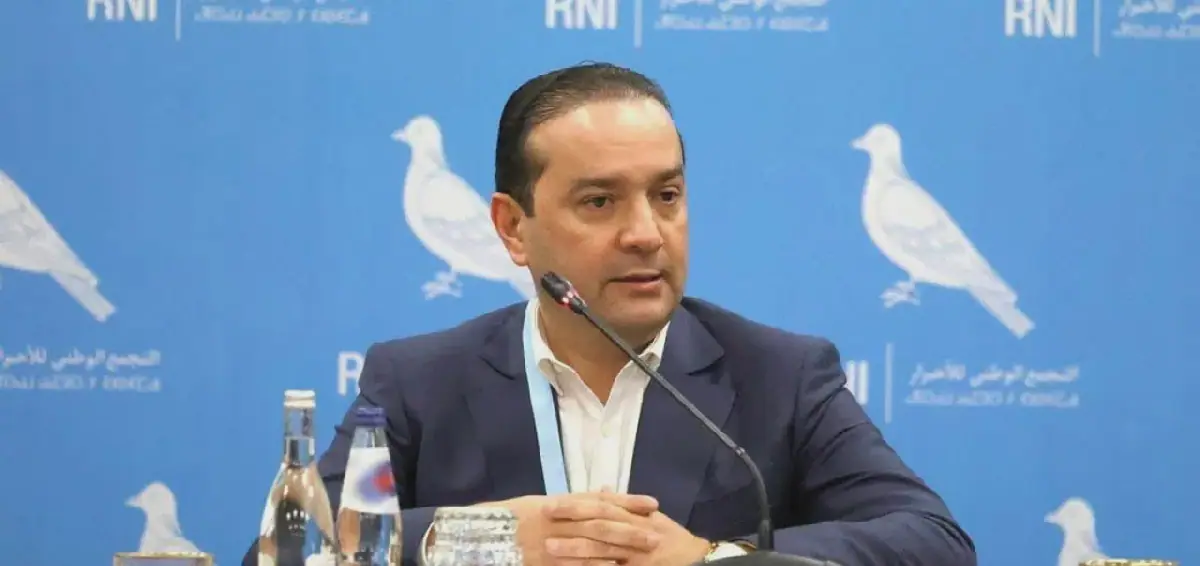
An extraordinary congress was held on February 7, which saw Mohamed Chouki, a deputy and former head of the finance committee, elected as the new party leader. Chouki was the sole candidate and was chosen based on his managerial competence rather than party apparatus experience. However, this change in leadership deprived the party of a figure who embodied its governmental achievements, especially with Akhannouch remaining as head of the executive until the end of the legislative term.
The separation of party and government leadership created complications for promoting the party's achievements, which Akhannouch claimed and Chouki was expected to defend. During the campaign, the RNI engaged in an open confrontation with its coalition partner, the Parti Authenticité et Modernité (PAM). Akhannouch criticized PAM's promises as false and warned against political transhumance. In response, Fouzi Lekjaa called for a vote against RNI's management in several provinces.
This confrontation between governmental parties contributed to a vote of rejection, from which PAM benefited. Despite retaining its second-place position, PAM did so by a narrow margin of one seat over the Istiqlal party. Moreover, PAM lost over a third of its representation. This outcome has significantly weakened PAM's position in any potential coalition, especially compared to 2021 when it was the dominant party.
The decline of RNI and the internal conflict within the coalition have raised questions about the future political landscape in Morocco. The changes in party standings could influence the formation of new alliances and the distribution of power in the upcoming government. As the political scene adjusts, parties will need to reassess their strategies and alliances.
Akhannouch's decision to step down as RNI leader but remain as head of government until the end of the term had created a unique situation. This situation may have affected the party's campaign and its ability to present a unified front. The impact of this decision on the party's performance and the broader political implications will likely be subjects of analysis for some time.
The new leadership of RNI, under Mohamed Chouki, faces the challenge of rebuilding and repositioning the party. With a reduced parliamentary presence, the party will need to regroup and possibly redefine its policies and strategies to regain support. The changing political dynamics in Morocco will require RNI to adapt and find new ways to connect with voters.
Key points
- RNI lost 36 seats, dropping to 66, amid leadership change.
- The party's decline benefited PAM, which retained its second-place position but with a reduced majority.
- The separation of party and government leadership complicated RNI's campaign and defense of its achievements.
Reporting sources
- Le RNI paie l’usure du pouvoir après le départ d’Akhannouch · La Nouvelle Tribune