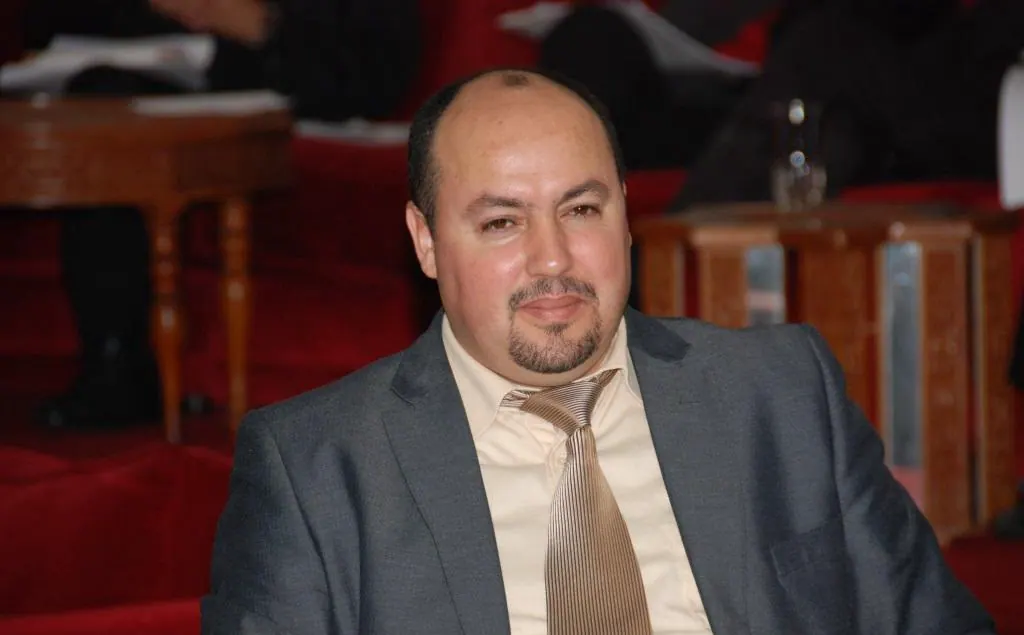
Morocco is set to hold its parliamentary elections on September 23, 2026, with the political landscape being highly competitive. According to Dr. Abdel Latif Brouho, an expert in parliamentary affairs, the elections will be marked by a unique dynamic, with two main parties, the National Rally of Independents (RNI) and the Authenticity and Modernity Party (PAM), competing fiercely for the top spot. The electoral map of Morocco is characterized by 92 constituencies, with 62 smaller constituencies expected to play a crucial role in determining the outcome.
The smaller constituencies, which comprise 42 constituencies with three seats and 20 constituencies with two seats, will be crucial in determining the winner of the elections. Dr. Brouho notes that the two main parties, RNI and PAM, are likely to secure their seats in the larger constituencies with four to six seats, but the outcome in the smaller constituencies will be highly contested. The expert predicts that the party that manages to secure a seat in most of these smaller constituencies will likely win the elections.
The two main parties, RNI and PAM, have been engaging in intense campaigning, with PAM's recent rally in Marrakech drawing significant attention. Dr. Brouho notes that the dynamics of the campaign have shifted in favor of PAM, with the party's leader, Fouzi Lekjae, playing a key role in mobilizing support. However, RNI has also been actively campaigning, with its leader, Aziz Rabbah, and other senior officials crisscrossing the country to drum up support.
According to Dr. Brouho, the outcome of the elections is difficult to predict, but he expects the winner to secure between 85 and 92 seats. The expert notes that the difference between the two main parties may be as narrow as five seats, making the outcome highly uncertain. He also cautions that the elections may throw up surprises, including a situation where the party with the most votes does not necessarily secure the most seats.
The formation of the next government will depend on the outcome of the elections, with the king having the constitutional prerogative to appoint the prime minister. Dr. Brouho notes that the speculation about who will be appointed prime minister has been premature and that the king's decision will depend on various factors, including the outcome of the elections and the party's ability to form a coalition.
If PAM emerges as the winner, Dr. Brouho suggests that Fouzi Lekjae may be appointed prime minister, but notes that this is not a foregone conclusion. He also speculates that the king may opt to appoint a woman as prime minister, citing the country's constitution and the need for innovative solutions. If RNI secures the top spot, Dr. Brouho expects that its leader, Mohamed Choukri, or another senior official may be appointed prime minister.
The elections are also significant in the context of Morocco's preparations for the 2030 World Cup, which it will host jointly with Spain and Portugal. The country's infrastructure development and its ability to host a successful tournament will depend on the outcome of the elections and the formation of a stable government.
Key points
- The outcome of Morocco's parliamentary elections will depend on the performance of the two main parties, RNI and PAM, in the 62 smaller constituencies.
- The formation of the next government will depend on the outcome of the elections and the king's constitutional prerogative to appoint the prime minister.
- The elections have significant implications for Morocco's future development, including its preparations for the 2030 World Cup.