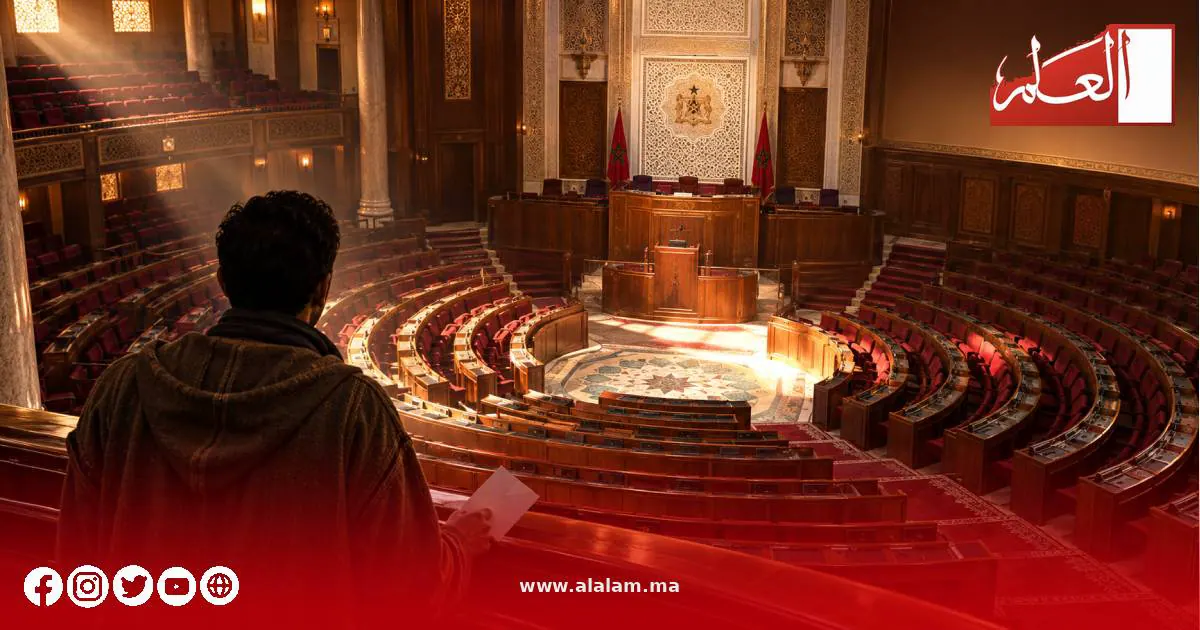
The Moroccan parliamentary elections, held on September 23, 2026, have come to an end, and the results have reshaped the country's political landscape. The Authenticity and Modernity Party (PAM), led by Fouzi Lekjaa, has secured the top spot, winning a significant number of seats. This outcome was largely anticipated, given Lekjaa's popularity and influence. The PAM's success can be attributed to its strong organizational structure and its ability to connect with voters.
The elections saw a relatively low turnout, with only 38% of eligible voters casting their ballots. However, when adjusted for the number of registered voters, the participation rate drops to around 25%. This low turnout has raised concerns about the level of engagement among Moroccan citizens. The PAM's victory has sparked questions about the party's future plans and its potential alliances with other parties.
The Justice and Development Party (PJD), which had previously been a dominant force in Moroccan politics, has experienced a resurgence. The party's leader, Abdelilah Benkirane, has maintained a strong connection with his supporters, and the party has gained a significant number of seats. However, the PJD's success has been tempered by concerns about its past performance in government and its ability to work effectively with other parties.
The Independent Party, which had been the leading party in the previous government, has suffered a significant decline. The party lost around 35% of its seats and 40% of its votes compared to the 2021 elections. This decline has been attributed to a series of controversies and corruption allegations involving some of its members. The party's leader, Saïd Amzazi, has acknowledged the challenges facing his party and has called for a period of introspection.
The results of the elections have significant implications for the formation of the next government. King Mohammed VI is expected to appoint a new prime minister from the PAM, and the party will need to negotiate with other parties to form a coalition. The PJD and the Independent Party are likely to play important roles in these negotiations. The new government will face significant challenges, including addressing the country's economic and social issues.
The elections have also highlighted the need for reforms to the electoral system. The low turnout and allegations of corruption have raised concerns about the legitimacy of the electoral process. The government has announced plans to review the electoral law and make changes to improve the transparency and fairness of the process.
The new parliament will face significant challenges, including addressing the country's economic and social issues. The government will need to work to improve the business climate, create jobs, and address the country's infrastructure needs. The parliament will also need to address issues related to corruption and transparency. The PAM and other parties will need to work together to address these challenges and deliver on their campaign promises.
Key points
- The Authenticity and Modernity Party has emerged as the leading force in the Moroccan parliamentary elections.
- The low turnout and allegations of corruption have raised concerns about the legitimacy of the electoral process.
- The new government will face significant challenges, including addressing the country's economic and social issues.