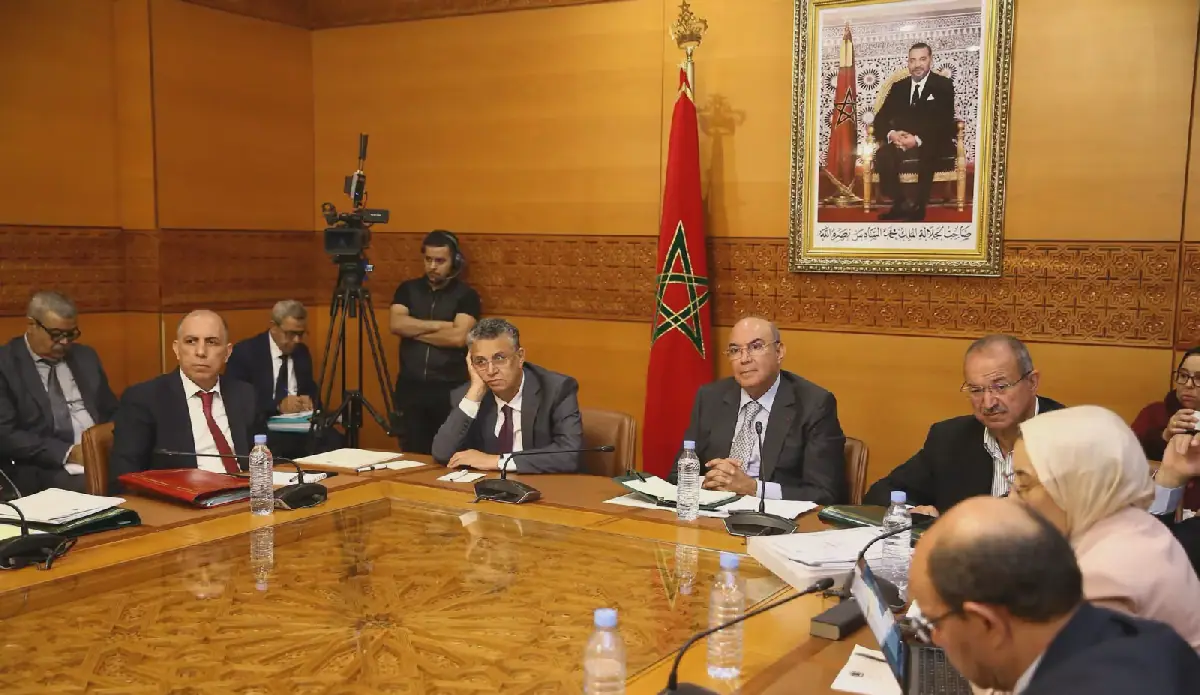
A debate has erupted in Morocco's parliament over the oversight of independent constitutional institutions, including the Supreme Judicial Council and the Court of Auditors. Some parliamentarians have called for greater scrutiny of these institutions' budgets, while others argue that this would undermine their independence. The issue has sparked a heated discussion, with some lawmakers accusing their colleagues of populism and attempting to politicize the issue.
The controversy centers on the budgets of these independent institutions, which are currently included in the annual finance law. Some parliamentarians want to scrutinize these budgets in detail, while others argue that this is not necessary, as these institutions are independent and have their own financial and administrative autonomy. According to the Moroccan Constitution and relevant laws, these institutions have their own budgets and are not subject to the same oversight as government ministries.
The Constitutional Court and the Constitutional Council have previously ruled on this issue, affirming the independence of these institutions and their budgets. The Court has also stated that requiring the heads of these institutions to present their budgets to parliamentary committees would be unconstitutional. Despite this, some parliamentarians continue to push for greater oversight, citing the need for transparency and accountability.
The issue has sparked concerns about the potential for politicization of the oversight process. Some lawmakers have expressed fears that detailed scrutiny of these institutions' budgets could be used as a tool for political pressure or harassment. Others argue that this would undermine the independence of these institutions and compromise their ability to perform their constitutional roles.
A practical and constitutional solution to this issue is to remove the budgets of these independent institutions from the annual finance law. Instead, the state could provide a single line item in the budget for each institution, without detailing how the funds are spent. This approach would preserve the independence of these institutions while still allowing for parliamentary oversight of their overall budgets.
Morocco's independent constitutional institutions are subject to various forms of oversight, including audits by the Court of Auditors and scrutiny by parliamentary committees. These institutions are also required to submit annual reports to parliament, which are then discussed in plenary sessions. This existing framework provides a balance between the need for transparency and accountability, and the need to protect the independence of these institutions.
The debate over oversight of independent constitutional institutions highlights the challenges of balancing competing interests and values in a democratic system. While parliamentarians have a legitimate role in scrutinizing public finances, they must also respect the independence of institutions that are designed to be insulated from political pressure. Finding a solution that works for all parties will require careful consideration of the constitutional and legal framework, as well as the practical implications of different approaches.
Key points
- The Moroccan Constitutional Court has ruled that requiring the heads of independent constitutional institutions to present their budgets to parliamentary committees would be unconstitutional.