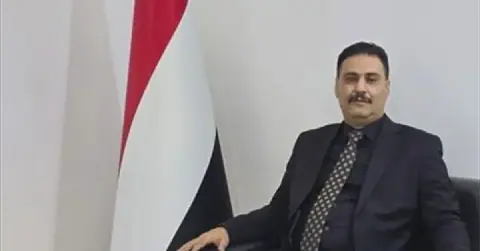
Moroccan parliamentarian Aziz Henawi, a member of the Justice and Development Party, has sparked controversy after participating in a rally in front of the parliament building in Rabat, where he chanted slogans alongside activists from the Justice and Charity group, a movement known for its opposition to the monarchy. The rally was held to commemorate the third anniversary of the "Al-Aqsa Flood" event. Henawi, who won a seat in the parliament in the September 2023 elections, was seen raising a victory sign and chanting slogans, including "Tegad Tegad Wala Khawi Al-Bilad," which translates to "Resist, resist, do not betray the country."
The chants used by Henawi and other participants in the rally are associated with the 2011 Arab Spring protests in Morocco and are seen as a challenge to the country's monarchy and institutions. Henawi's participation in the rally and his use of such slogans have raised questions about the limits of free speech and expression for elected officials in Morocco. As a member of the Justice and Development Party, Henawi is expected to work within the country's institutions and respect its laws and traditions.
Henawi defended his actions, stating that his role as a parliamentarian does not prevent him from expressing his opinions on issues such as the Palestinian cause and normalization with Israel. He emphasized that he is a representative of the people and that his views are in line with the sentiments of the Moroccan street. However, his actions have sparked concerns within his own party, with some questioning whether his behavior is compatible with his role as an elected official.
The leader of the Justice and Development Party, Abdelilah Benkirane, is known for his conservative stance and has previously taken disciplinary actions against party members who have expressed dissenting views. It remains to be seen whether Benkirane will take action against Henawi, who is a new and relatively inexperienced parliamentarian. The incident has highlighted the challenges faced by Moroccan politicians in balancing their personal views with their institutional roles.
Henawi's participation in the rally and his use of anti-system slogans have also raised questions about the relationship between the Justice and Development Party and the monarchy. The party has historically been seen as a moderate Islamist movement that has worked within the Moroccan system, but some of its members have expressed more radical views. The incident has sparked a debate about the limits of free speech and expression in Morocco and the role of elected officials in challenging the country's institutions.
The controversy surrounding Henawi's actions has come at a sensitive time, with King Mohammed VI set to open the new parliamentary session on October 9. Henawi will be in attendance, along with other members of the parliament, and will be expected to navigate the complexities of his new role as a parliamentarian. The incident has highlighted the challenges faced by Moroccan politicians in balancing their personal views with their institutional roles and the expectations of their constituents.
The incident has also sparked a wider debate about the role of Islamist movements in Moroccan politics and the limits of free speech and expression in the country. The Justice and Development Party has historically been seen as a key player in Moroccan politics, but its members have faced challenges in balancing their ideological commitments with their institutional roles. The controversy surrounding Henawi's actions has highlighted the complexities of Moroccan politics and the challenges faced by elected officials in navigating the country's complex institutional landscape.
Key points
- Moroccan parliamentarian Aziz Henawi sparks controversy with anti-system chants alongside activists from the Justice and Charity group.
- Henawi's actions raise questions about the limits of free speech and expression for elected officials in Morocco.
- The incident highlights the challenges faced by Moroccan politicians in balancing their personal views with their institutional roles.