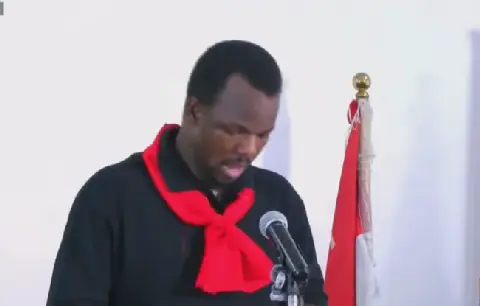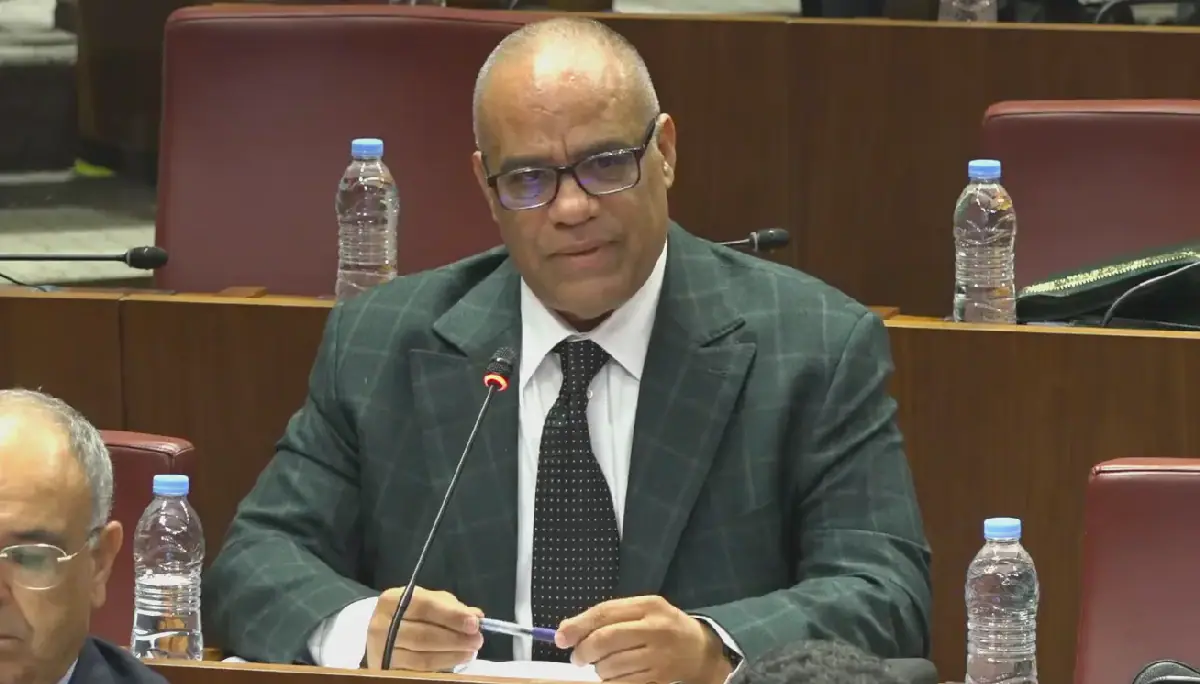
Moroccan parliamentarian Tofigh Kamil, a member of the National Rally of Independents group in the House of Representatives, has sharply criticized Moroccan banks for their lack of involvement in supporting investors and citizens during challenging times. He made these comments during a general discussion on the draft finance law in the Finance Committee. Kamil argued that the profits and revenues reported by banks in their financial statements do not translate into tangible support for the economy or a reduction in risk.
Kamil cited the COVID-19 pandemic as an example, noting that some banks took advantage of the situation to launch new programs, such as "Oxygen Guarantee" and "Takeoff Guarantee," and benefited significantly from them. Meanwhile, citizens and small business owners who struggled financially faced significant hardship, with delayed debts and additional interest that exacerbated their suffering. He emphasized the need for banks to take full responsibility for contributing effectively to the country's economic and social development.
The parliamentarian also touched on the issue of bank oversight and financial auditing, noting a "significant silence" regarding certain practices. He stressed that banks, which enjoy a quasi-monopolistic position, must assume their full responsibility in supporting the economy. This comes as banks reap profits in the national market. Kamil's comments reflect broader concerns about the role of banks in Morocco's economic development.
In a related context, it was recalled that Abdelillah Bouanou, a prominent figure in the PJD, had previously led a parliamentary inquiry into banking practices. However, this initiative was ultimately abandoned. The issue of bank accountability and their role in supporting the economy remains a contentious topic in Moroccan politics.
Kamil's criticisms highlight the challenges faced by citizens and businesses in accessing financial support during difficult times. The banking sector's role in promoting economic growth and stability is a critical issue that requires attention from policymakers. The Moroccan government has been working to strengthen the banking sector and improve its contribution to the economy.
The debate over the banks' role in the economy is ongoing, with various stakeholders weighing in on the issue. Some have argued that banks should be more proactive in supporting small businesses and entrepreneurs, while others have emphasized the need for greater oversight and regulation. Kamil's comments are part of a broader discussion about the banking sector's responsibilities and its impact on the economy.
The issue of bank accountability is likely to continue to be a topic of discussion in Moroccan politics. As the government works to address the challenges facing the economy, the role of banks in supporting economic growth and stability will remain a key issue. The banking sector's response to Kamil's criticisms and its efforts to improve its contribution to the economy will be closely watched.
Key points
- Moroccan banks have been criticized for not doing enough to support the economy and citizens during difficult times.
- The banking sector's role in promoting economic growth and stability is a critical issue that requires attention from policymakers.
- The debate over the banks' role in the economy is ongoing, with various stakeholders weighing in on the issue.