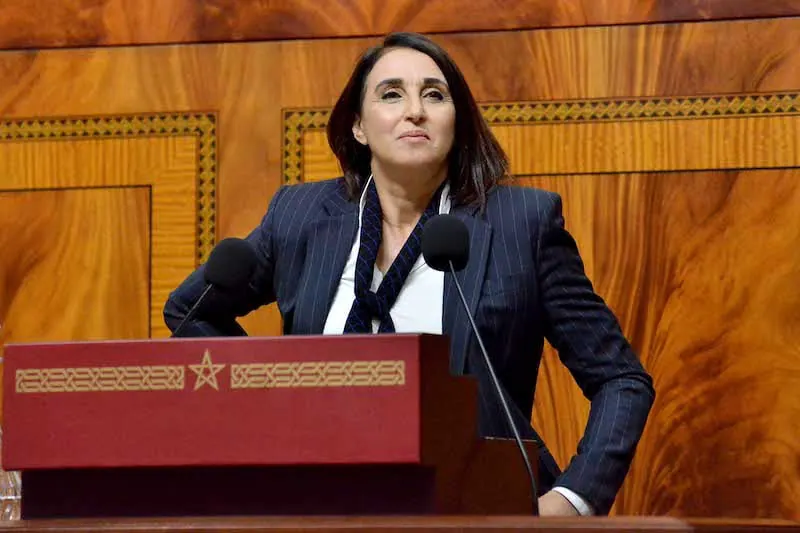
A new leftist alliance in Morocco's parliament has emerged, consisting of eight members from various parties, including the Unified Socialist Party, the National Rally of Independents, and the Social Democratic Movement. This group, led by experienced politicians such as Omar Benjelloun and Nabila Mounib, aims to challenge the current power dynamics and push for reforms. Their diverse backgrounds in student movements, human rights, and civil society have equipped them with strong advocacy skills.
The new alliance has a clear vision for Morocco's future, focusing on parliamentary monarchy, where the monarch's powers are limited, and the government is accountable to parliament. This concept is not taboo, but rather a necessary step towards democratic evolution, according to the group's leaders. They argue that the current monarch, King Mohammed VI, has hinted at the need for such a system, but with certain conditions, including the development of political life and social structures.
One of the key issues the leftist alliance is expected to tackle is the Western Sahara conflict. With their strong nationalist stance, they are committed to defending Morocco's territorial integrity, but also advocate for an inclusive approach, allowing for diverse perspectives on the issue. This approach could potentially create a more nuanced debate on the topic, moving beyond the current polarized discussions.
The alliance is also expected to prioritize individual freedoms, women's rights, and secularism. Their members have consistently demonstrated a commitment to these values, advocating for the modernization of family law and the protection of human rights. This stance is likely to put them at odds with more conservative elements in Moroccan society.
The emergence of this leftist alliance has significant implications for Morocco's politics. It could potentially create a new dynamic in parliament, pushing for reforms and holding the government accountable. Their ability to work together and mobilize public support will be crucial in determining their impact.
The new alliance may face challenges, including resistance from established parties and interest groups. However, their diverse backgrounds and experiences could help them navigate these challenges and build a strong coalition. The Moroccan public will be watching their progress closely, as the country's democratic development hangs in the balance.
As Morocco continues to evolve, the leftist alliance's role in shaping the country's future will be significant. With their commitment to democratic values, human rights, and social justice, they may be able to create a new path for Moroccan politics, one that prioritizes the needs and aspirations of its citizens. Key points:
Key points
- The new leftist alliance in Morocco's parliament aims to push for reforms and challenge current power dynamics.
- The group is committed to parliamentary monarchy, individual freedoms, and women's rights.
- The alliance's impact will depend on their ability to work together and mobilize public support.