The Moroccan parliament has seen a resurgence in activity and debate, with a relatively balanced dynamic between the majority and opposition. This is a change from the previous term, which was marked by a weak opposition and a strong majority. The opposition, particularly the PJD, has been more effective in questioning the government. However, some ministers still seem to be in campaign mode, and parliamentarians are eager to make their mark on social media.
The PJD has been more organized and effective in its questioning of the government, while the National Rally of Independents (RNI) has struggled to adapt to its new role outside of government. RNI deputies have repeatedly referenced their past statements and defense of government policies, but have not offered new alternatives or positions. The left-wing coalition has also been slow to adapt, with some deputies still reeling from the shock of being in parliament.
The parliament's agenda has expanded to include committee work, which has increased transparency and allowed citizens to follow the work of their elected representatives. This has also provided an opportunity for political education and awareness of the challenges facing the state and lawmakers. However, some deputies have used the platform to promote themselves on social media, rather than focusing on their legislative work.
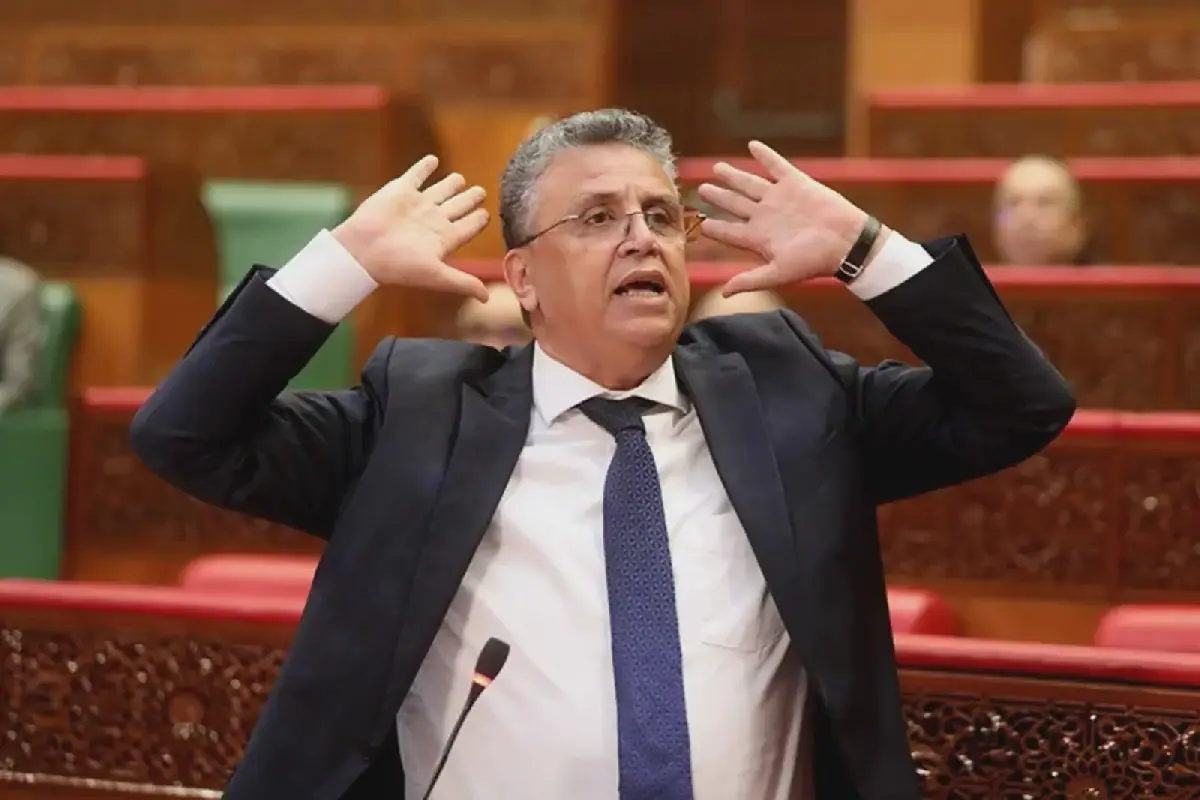
Justice Minister Abdel Latif Wahbi has been at the center of attention, with his style of interaction with deputies and the media drawing both praise and criticism. Wahbi's background in law and politics has prepared him for the role, but his approach has also been criticized for being overly focused on polemics. Other ministers have been encouraged by Wahbi's success and are trying to emulate him, but may not have the same level of experience or expertise.
The use of social media has become a key aspect of parliamentary life, with many deputies and ministers using platforms like Facebook and Twitter to promote themselves and their work. However, this has also created new challenges, such as the pressure to present a certain image or to respond to criticism in a way that is more focused on appearances than substance.
Some ministers have struggled to adapt to their new roles, particularly those with large budgets and complex portfolios. These ministers have been criticized for making unrealistic promises or for not being prepared to discuss complex issues. The government has also faced criticism for not providing clear and consistent messaging, with some ministers appearing to be out of touch with the concerns of citizens.
The parliamentary session has highlighted the challenges facing the government and parliament in terms of communication, transparency, and accountability. While there have been some positive developments, such as the increased focus on committee work and the use of social media, there is still much work to be done to improve the functioning of parliament and to address the concerns of citizens.
Key points
- The PJD has been more effective in questioning the government.
- Ministers are struggling to adapt to their new roles.
- Social media is playing an increasingly important role in parliamentary life.