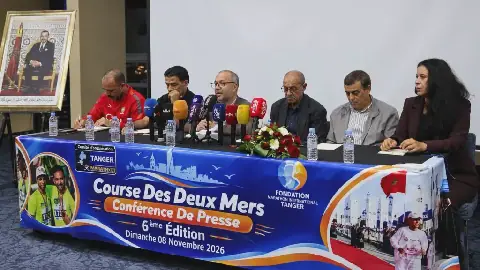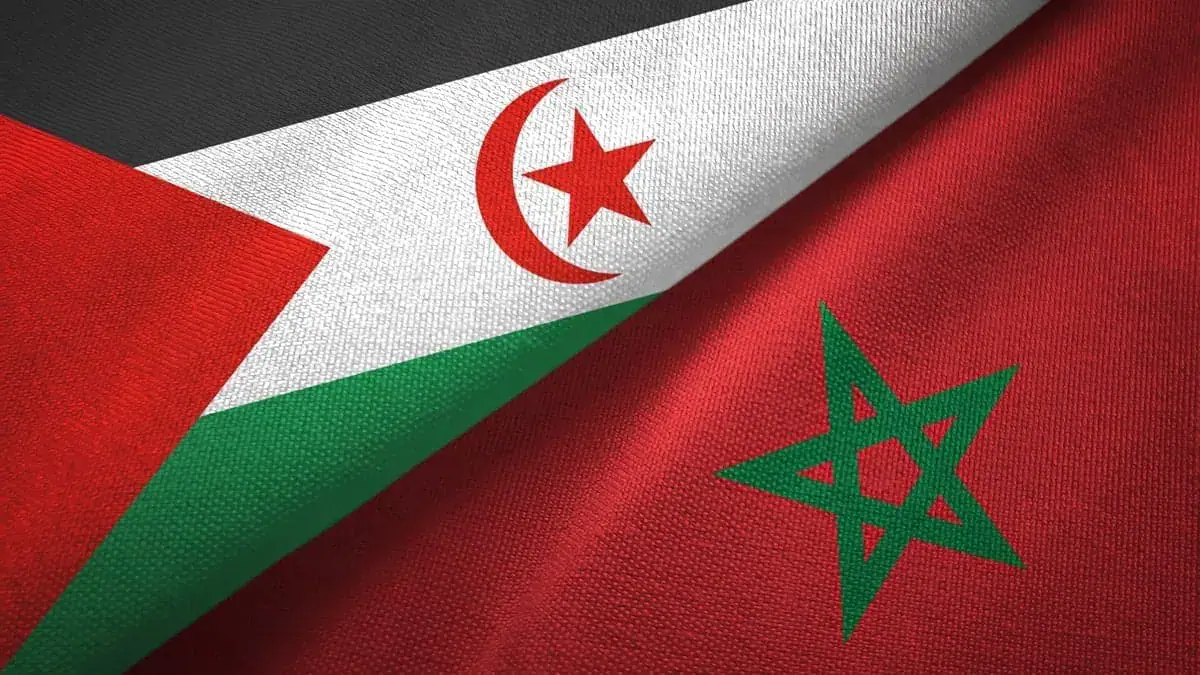
The Moroccan parliament's joint meeting of both chambers, held on November 2, aims to convert the diplomatic sequence at the UN Security Council on Western Sahara into a national institutional consensus. This move follows Russia's veto at the Security Council and the expiration of the MINURSO mandate. The meeting seeks to gain support from representatives of both chambers for the royal cabinet's orientations.
The parliamentary mobilization aims to provide a broader institutional and political basis for Morocco's new strategy on Western Sahara. The approach involves strengthening parliamentary diplomacy to consolidate international support, preparing legislative adaptations to accompany the royal cabinet's orientations, and reducing the role of the Security Council in addressing the conflict.
The interventions during the meeting revealed significant nuances regarding relations with Algeria. Some parties, including the PJD, the Left Alliance, and the Confederation of Democratic Labor (CDT), called for improved bilateral relations. In contrast, other parliamentary formations continued to accuse Algeria of being responsible for the political stalemate and regional problems.
Three main axes of Morocco's strategy have emerged: strengthening parliamentary diplomacy, preparing legislative adaptations, and reducing the role of the Security Council. However, the ambition to reduce the Security Council's role reveals a concerning confusion between Rabat's political objectives and the prerogatives of international institutions.
The Moroccan Parliament cannot unilaterally reduce the role of the Security Council or modify the UN mandate. No national parliamentary mobilization can change the international status of Western Sahara or eliminate the inalienable right of its people to self-determination.
Behind this demonstration of domestic consensus lies an attempt to pass off a national political orientation as an evolution of the international legal framework. However, institutional support for a unilateral position cannot replace a conflict resolution in accordance with international law.
The meeting's outcome will likely influence Morocco's approach to the Western Sahara conflict. The country's strategy has been met with mixed reactions, with some parties calling for a more conciliatory approach. The international community continues to emphasize the need for a peaceful resolution to the conflict.
Key points
- Morocco's parliament is mobilizing to impose a new orientation on Western Sahara.
- The approach involves strengthening parliamentary diplomacy and reducing the role of the Security Council.
- The move has sparked mixed reactions, with some parties calling for improved relations with Algeria.