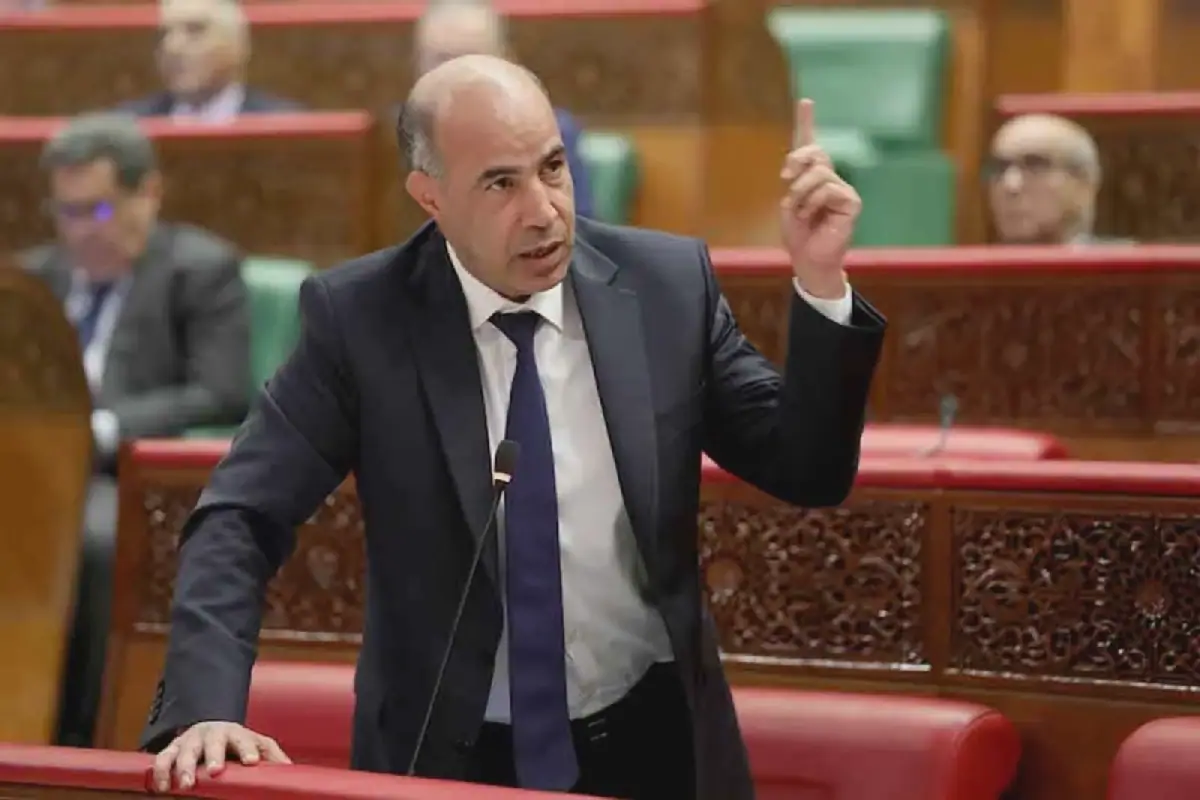
The debate on cannabis legalization has taken a new turn in Morocco, with lawmakers arguing that regulating the production, consumption, and sale of cannabis can help curb international trafficking and boost economic growth. A recent incident in parliament saw a lawmaker claim that a colleague had smuggled three tons of cannabis, sparking a heated discussion on the need for regulation. This has led to renewed calls for the government to take a closer look at the issue.
The proposed legalization of cannabis has been touted as a way to address the growing problem of cannabis trafficking in Morocco. According to some lawmakers, the country's current laws have failed to curb the trade, and it is time to consider a more pragmatic approach. They point to countries like the United States, where cannabis production and consumption have been legalized in some states, as an example of how regulation can help reduce crime and increase revenue.
One of the key arguments in favor of legalization is that it could help Morocco become a major tourist destination for cannabis enthusiasts. Like Amsterdam and other cities, Morocco could capitalize on its reputation as a tolerant and welcoming country to attract visitors from around the world. Additionally, the country could become a hub for digital nomads, who are drawn to places with a relaxed atmosphere and a high quality of life.
However, not all lawmakers are convinced that legalization is the way forward. Some have expressed concerns about the potential risks associated with cannabis use, particularly for young people. They also worry that legalization could lead to an increase in cannabis-related crime and social problems. Despite these concerns, many believe that the benefits of legalization outweigh the risks.
The debate on cannabis legalization comes at a time when Morocco is looking to diversify its economy and attract new investment. The country's tourism industry, in particular, has been hit hard by the COVID-19 pandemic, and lawmakers see cannabis legalization as a way to boost economic growth. They argue that by regulating the production and sale of cannabis, Morocco can create new jobs and revenue streams.
Some have suggested that Morocco could follow the example of countries like Uruguay, which has legalized cannabis production and sale for recreational use. Others have proposed that the country establish a licensing system, similar to those used in some European countries, to regulate the production and sale of cannabis. Whatever approach is taken, it is clear that the debate on cannabis legalization is far from over.
As the debate continues, many Moroccans are watching with interest to see how the issue will play out. Some have expressed support for legalization, arguing that it is a matter of personal freedom and that the government should not dictate what people can and cannot do. Others are more skeptical, worrying about the potential consequences of legalization. Ultimately, the decision on whether or not to legalize cannabis will depend on the government's assessment of the risks and benefits.
Key points
- Moroccan lawmakers are debating the legalization of cannabis production and consumption as a way to curb international trafficking and boost economic growth.
- The proposed legalization has sparked a heated discussion on the need for regulation, with some lawmakers pointing to countries like the United States as an example of how regulation can help reduce crime and increase revenue.
- The debate on cannabis legalization comes at a time when Morocco is looking to diversify its economy and attract new investment, with some seeing it as a way to boost tourism and create new jobs and revenue streams.