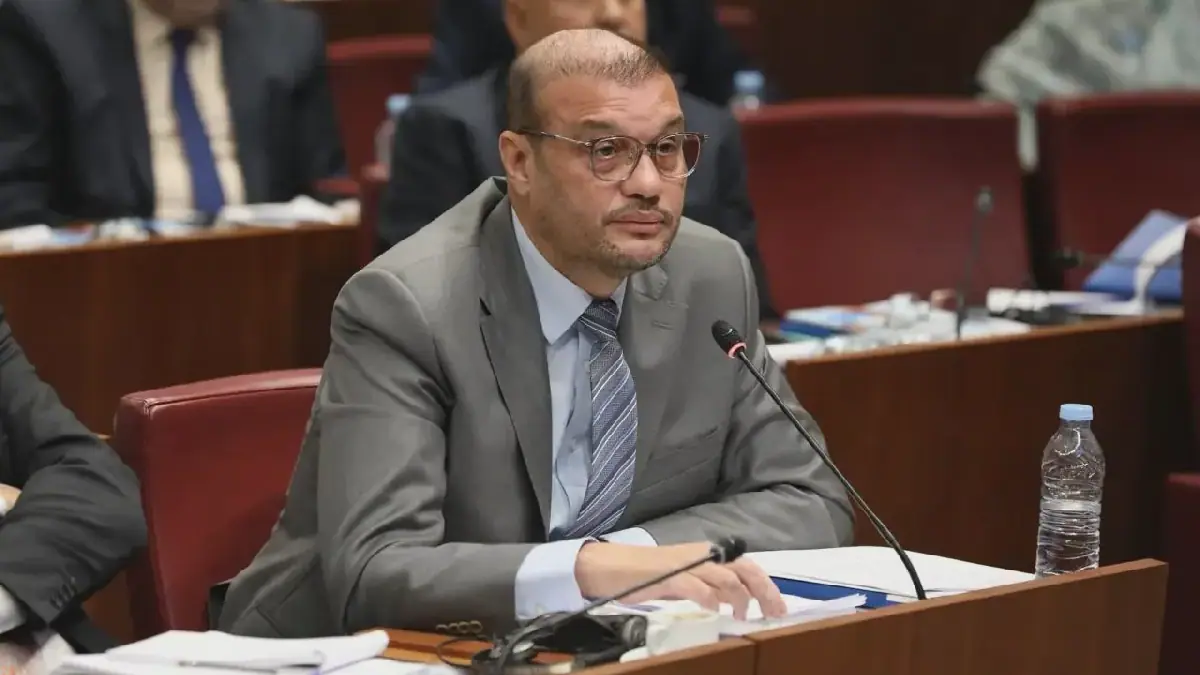
On October 28, 2026, Rahhal El Makkaoui, head of the Istiqlalien group, addressed the Finance Committee of Morocco's House of Representatives. He emphasized the need for a government that builds on existing reforms while accelerating the pace of change. El Makkaoui called for a more equitable distribution of public investment across different regions and tangible results for citizens. His statements were part of the discussion on the 2027 budget plan.
El Makkaoui's vision for reform is described as "cumulative," indicating a step-by-step approach that builds on previous efforts. This approach aims to ensure continuity and stability while driving progress. The Istiqlalien group's proposal seeks to address territorial disparities and promote balanced development across Morocco. By emphasizing the need for tangible results, El Makkaoui underscored the importance of measuring the impact of public policies.
The 2027 budget plan is a critical document that outlines the government's spending priorities and economic strategies. As Morocco continues to navigate complex economic challenges, the budget plan is expected to play a significant role in shaping the country's financial trajectory. El Makkaoui's intervention highlights the ongoing debate about the best approach to achieving sustainable growth and equitable development.
The discussion on the 2027 budget plan takes place against a backdrop of significant economic developments in Morocco. Recent reports indicate that the country has made progress in attracting investment, with Morocco ranking fourth in Africa in terms of investment inflows. The government has also taken steps to strengthen its defense capabilities, including a recent acquisition of Apache AH-64E attack helicopters.
El Makkaoui's call for a faster and more equitable territorial reform resonates with ongoing efforts to address regional disparities in Morocco. The country's investment landscape is also evolving, with the CEO of Ryanair recently visiting Rabat to discuss a strategic partnership with the Moroccan National Tourism Office. Such partnerships are expected to boost tourism and economic growth.
As Morocco prepares for the implementation of the 2027 budget plan, stakeholders are closely watching the government's response to emerging challenges. The country's banking sector, for instance, is grappling with non-performing loans worth over 100 billion dirhams. Addressing such issues will be crucial to ensuring the stability of the financial system.
The debate on the 2027 budget plan is set to continue, with various stakeholders weighing in on the proposals and priorities outlined by the government. As the discussion unfolds, citizens and businesses will be watching closely for signs of progress on key issues, including territorial reform, investment, and economic growth.
Key points
- Rahhal El Makkaoui calls for a "cumulative" reform approach that builds on existing efforts.
- The 2027 budget plan aims to promote balanced development and address territorial disparities.
- El Makkaoui emphasizes the need for tangible results from public policies.