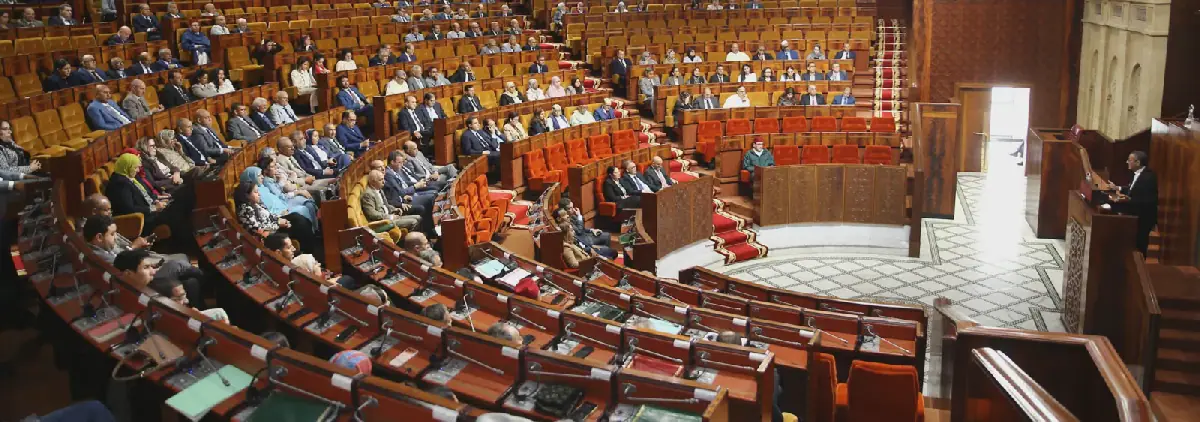
Morocco's Chamber of Representatives adopted the first part of the 2027 finance bill on November 14 with 179 votes in favor and 126 against, with no abstentions. The vote came after examining several amendments proposed by the opposition, focusing on customs duties on livestock and meat imports, large enterprise taxation, and certain consumer product taxes. The bill was approved as amended and adopted by the Finance and Economic Development Committee, which had given its green light on November 12 with 23 votes for and 17 against.
The plenary session debates centered on various fiscal and customs provisions, with the opposition suggesting changes to agricultural imports, corporate tax, and duties on specific products. One major point of disagreement concerned the permanent exemption from import duties on livestock and meat. Opposition groups proposed limiting the exemption's duration, but the government rejected these amendments. Economy and Finance Minister Fouzi Lekjaa justified this stance by citing the persistent difficulties in the national meat market.
Lekjaa explained that the national herd's decline, supply deficits, and high prices make it impractical to reimpose import duties. He noted that import operations are regularly monitored and evaluated. The government opted to maintain customs exemptions to facilitate national market supply, given the current tensions on offer. The decision aims to ensure a stable supply of essential goods.
Discussions also covered the taxation of large enterprises, particularly those in telecommunications and cement sectors. Opposition amendments proposed extending the 40% corporate tax rate to companies in these sectors with annual net profits of 100 million dirhams or more. However, this proposal was not adopted. The rejection maintains the fiscal provisions outlined in the committee-approved text.
Additional proposals to modify indirect taxation were examined, including opposition requests to increase taxes on energy drinks, sugar, and certain medications. These proposals were not adopted. The adopted bill maintains the current tax framework for these products.
The Finance and Economic Development Committee's approval of the bill on November 12 marked a crucial step in the legislative process. The committee's vote was divided, with 23 members supporting the bill and 17 opposing it. The plenary session's adoption of the bill's first part paves the way for further discussions and voting on the remaining sections.
The 2027 finance bill's adoption is significant for Morocco's economic policy, as it outlines the government's revenue and expenditure plans for the upcoming year. The bill's provisions will impact various sectors, including taxation, customs, and public spending. The government's decisions on taxation and exemptions aim to balance revenue generation with economic growth and social stability.
Key points
- Moroccan parliament adopts 2027 finance bill's first part with 179 votes for and 126 against
- Government maintains exemptions on livestock and meat imports despite opposition proposals
- Bill's adoption paves way for further discussions on taxation and public spending plans