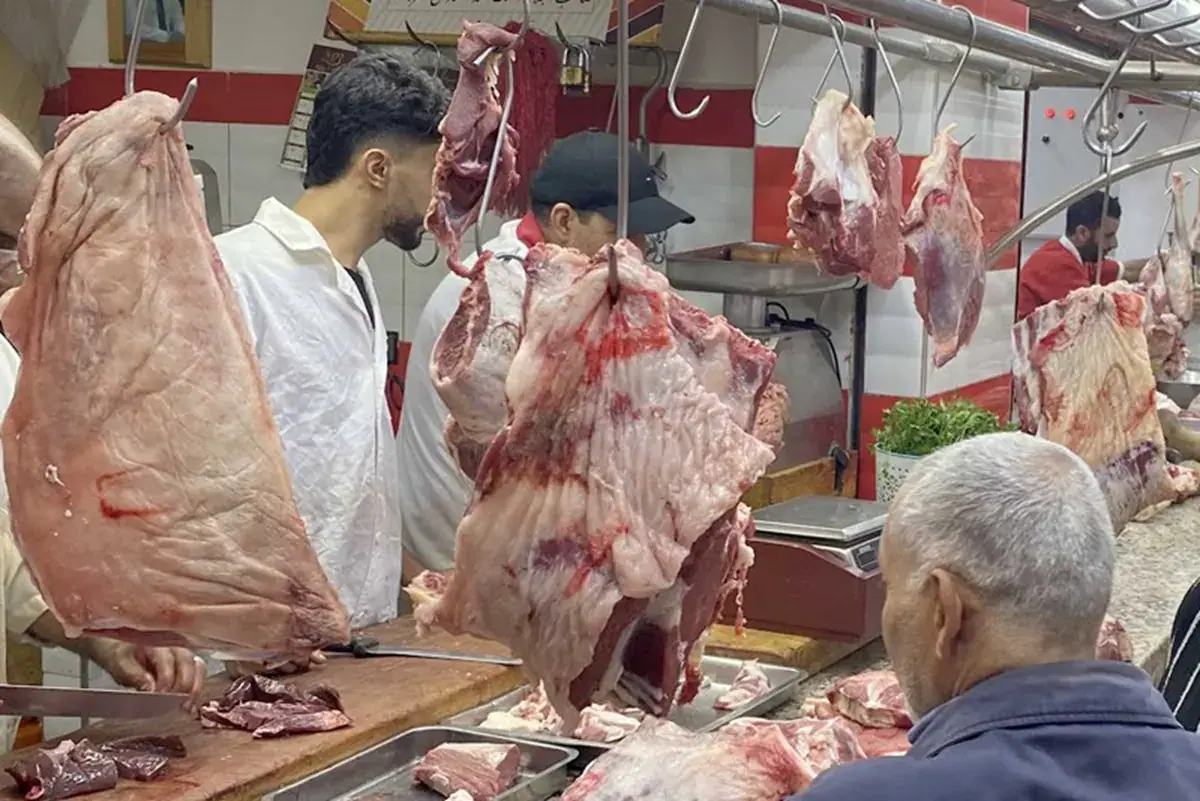
Morocco's parliament has taken up the issue of rising red meat prices, with the Independent Unity and Equality group in the House of Representatives submitting an oral question to the Minister of Agriculture, Maritime Fisheries, and Food Sovereignty. The query highlights significant price disparities and quality variations in red meat across different regions. Despite government efforts to control prices, including opening imports and offering tax incentives, red meat prices vary greatly.
The price of imported red meat ranges from 70 to 130 dirhams per kilogram, sparking allegations of excessive profit margins. Furthermore, concerns have been raised about the quality of available red meat, with some consumers reporting a decline in taste and quality. The issue extends beyond pricing and quality, as the open import policy may negatively impact the national herd rebuilding process, resulting in scarce and expensive locally produced red meat.
The Independent group has urged the government to take decisive action to regulate prices, ensure product quality, and make it affordable for citizens. They propose adopting a more effective approach that goes beyond temporary solutions, incorporating scientific research in hybridization to produce breeds that combine local and imported qualities. This strategy aims to strengthen national animal production and achieve the desired food sovereignty and security.
The issue has sparked concerns about food security, with some questioning the government's ability to manage the market effectively. The current situation may have long-term consequences for the country's livestock production and food self-sufficiency. To address these concerns, the government must develop a comprehensive strategy that balances the need for affordable and quality red meat with the goal of promoting national production.
The problem is not unique to Morocco, as many countries face challenges in maintaining a stable and affordable food supply. However, the government's response will be crucial in determining the country's ability to ensure food security and promote sustainable agricultural practices. The parliament's inquiry highlights the need for a coordinated approach to address the complex issues surrounding the red meat market.
In response to the crisis, the government has taken steps to support the livestock sector, including providing financial assistance to farmers and investing in agricultural infrastructure. However, more needs to be done to address the root causes of the problem and ensure a stable and sustainable food supply. The Independent group's proposal to adopt a more scientific approach to animal production may offer a potential solution.
The red meat crisis in Morocco has significant implications for the country's food security and economy. As the government considers its response to the crisis, it must balance competing interests and priorities, including the need to support local farmers, ensure affordable and quality food for consumers, and promote sustainable agricultural practices. The outcome will have a lasting impact on the country's food systems and economy.
Key points
- The Moroccan parliament has taken up the issue of rising red meat prices and potential impacts of unchecked imports on food security.