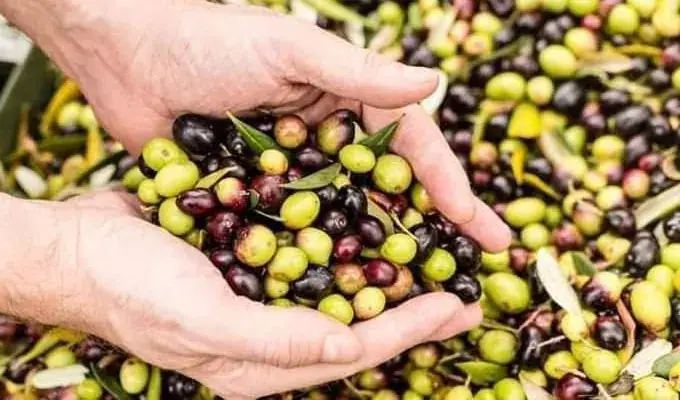
The Moroccan olive industry is facing significant challenges, despite an expected decrease in harvest. The 2026-2027 campaign is anticipated to yield 30-40% less than previous years, but producers are struggling with low prices that do not cover their costs. According to Interprolive, the national olive interprofessional organization, olives for oil production are being sold at 2.5 dirhams per kilogram, while some olive oil offers start at 32 dirhams per liter.
The low prices are attributed to structural difficulties in storage, processing, and marketing. Producers are finding it difficult to negotiate better prices due to the perishable nature of olives and limited access to transformation infrastructure. The cost of maintaining olive groves, irrigation, and fertilization remains relatively stable, increasing the unit cost of production. This situation highlights the need for investment in infrastructure to support the olive industry.
The Moroccan Minister of Agriculture, Khalid Hatimy, announced on November 24 that the government is preparing a support system for olive exports to help sell 16,000 to 20,000 tons of olives. The goal is to free up capacity for the new harvest. Hatimy also estimated that the industry needs around 80,000 tons of storage capacity and nearly 500 processing units. These numbers underscore the gap between the growth of olive plantations and the development of necessary infrastructure.
The challenges faced by Moroccan olive producers have implications for the entire Maghreb region. The case highlights the importance of investing not only in agricultural production but also in the infrastructure needed to process, conserve, and market crops. This investment is crucial for the profitability of farms and their negotiating power. The situation in Morocco serves as a reminder of the complexities of the olive industry.
The current situation has sparked concerns about the long-term sustainability of the Moroccan olive industry. With limited access to transformation infrastructure, producers are struggling to store and process their olives. This has resulted in a situation where a decrease in harvest does not necessarily translate to higher agricultural revenues. The industry's difficulties highlight the need for a comprehensive approach to address the structural challenges.
The impact of the challenges faced by Moroccan olive producers is being felt across the industry. Producers are finding it difficult to make a profit due to low prices and high costs. The government's support system for olive exports is seen as a temporary solution, but long-term solutions are needed to address the structural challenges. The industry's future depends on finding a way to balance production, processing, and marketing.
Key statistics illustrate the challenges faced by the Moroccan olive industry. The price of olives for oil production is 2.5 dirhams per kilogram, while olive oil prices start at 32 dirhams per liter. The expected harvest decrease is 30-40%, and the government aims to export 16,000 to 20,000 tons of olives. The industry needs around 80,000 tons of storage capacity and nearly 500 processing units. These numbers highlight the need for investment in infrastructure to support the industry.
Key points
- Moroccan olive producers face significant challenges despite an expected 30-40% drop in harvest.
- The industry needs around 80,000 tons of storage capacity and nearly 500 processing units.
- The government aims to export 16,000 to 20,000 tons of olives to support the industry.