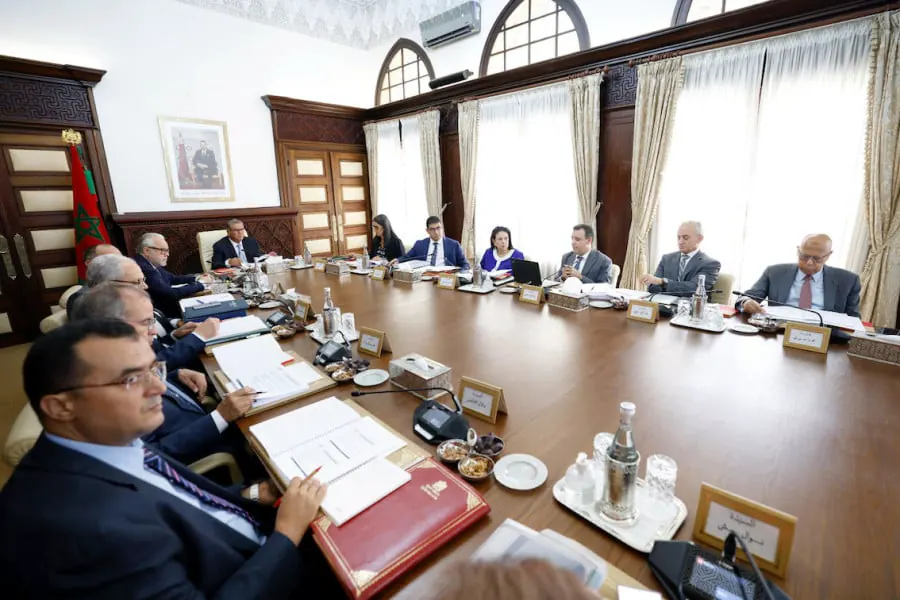
The recent legislative elections in Morocco, held on September 23, 2026, have led to a significant development in the country's government. Several ministers have won parliamentary seats, creating a situation where they must choose between their government positions and their legislative roles. This has prompted the government to consider replacing them with interim ministers to manage their respective portfolios.
The list of ministers affected includes prominent figures from the government's majority coalition, such as Nizar Baraka and Abdel Samad Qiyouh from the Independence Party, as well as Abdel Latif Wahbi, Fatima Zahra Mansouri, and Mohamed Mehdi Ben Said from the Authenticity and Modernity Party. Other ministers, including Adib Benbrahim and Hicham Sabri, also from the Authenticity and Modernity Party, and Mustafa Baytas, Ahmed Bawari, and Lahcen Sadki from the National Rally of Independents, have also won parliamentary seats.
The situation is expected to lead to a temporary reshuffle in the management of several government sectors, pending the completion of legal procedures and decisions related to the upcoming government reshuffle. This development highlights the complexities of balancing government and parliamentary roles in Morocco's political system.
The elections have also revealed the strength of various political parties in different regions. For example, the Justice and Development Party emerged as the leading party in the Nouasseur region, followed by the National Rally of Independents and the Authenticity and Modernity Party.
The ministers who have won parliamentary seats must now navigate the requirements of their new roles, while the government must ensure a smooth transition of power in the affected sectors. This may involve the appointment of interim ministers to oversee the day-to-day operations of these sectors.
The development has sparked interest in the potential implications for the government's policies and priorities. As the situation unfolds, observers will be watching to see how the government adapts to the changes and how the new parliamentary members balance their roles.
The changes are also expected to have an impact on the government's overall composition and effectiveness. With several key ministers leaving their positions, the government may need to reassess its priorities and strategies to ensure continuity and stability.
Key points
- Several Moroccan ministers have left the government after winning parliamentary seats in recent elections.
- The ministers affected include prominent figures from the government's majority coalition.
- The situation is expected to lead to a temporary reshuffle in the management of several government sectors.