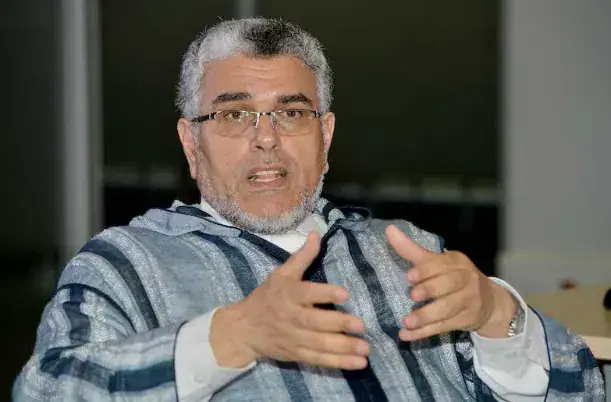
Morocco's former Minister of Justice and Freedoms, Mustapha Ramid, has expressed concerns about the government's decision to raise the widow's pension to 100% of her deceased husband's pension. Ramid warned that this decision may have unintended consequences, citing the example of the "cobra effect" in India, where a government incentive to catch cobras led to the creation of cobra farms instead of their elimination.
Ramid made these comments in a post on his Facebook account, where he stated that he was following the government's announcements and the draft finance bill with great interest. He noted that some of the government's decisions, including the increase in widows' pensions, were welcome and significant. However, he expressed concerns about the condition that the pension would be discontinued if the widow remarried.
The "cobra effect" refers to a situation where a government policy or incentive has the opposite effect of what was intended. In this case, Ramid warned that the government's decision to raise the widow's pension could lead to a situation where widows choose not to remarry or engage in informal relationships, rather than risk losing their pension.
Ramid also expressed concerns about the demographic implications of the government's decision, citing the low birth rate and fertility rate in Morocco. He noted that the country's population growth rate was below the global average and warned that the government's decision could exacerbate this trend.
To mitigate these risks, Ramid suggested that the government consider not discontinuing the widow's pension in the event of remarriage. He proposed that the widow's pension be maintained in full or in part, even if she remarries. This, he argued, would encourage women to remarry without fear of losing their pension.
Ramid's comments highlight the complexities of social policy and the need for careful consideration of the potential consequences of government decisions. The government's decision to raise the widow's pension was intended to support widows and improve their living standards. However, as Ramid noted, it is essential to consider the potential impact of such decisions on the broader social and demographic context.
The debate over the widow's pension is part of a broader discussion about social policy and demographic trends in Morocco. The government's efforts to address these issues will require careful consideration of the potential consequences of its decisions and a nuanced understanding of the complex social and economic factors at play.
Key points
- The Moroccan government has announced plans to raise the widow's pension to 100% of the deceased husband's pension.
- The decision has sparked concerns about potential negative consequences, including the "cobra effect".
- The government must carefully consider the potential impact of its decisions on the broader social and demographic context.