Morocco's recent parliamentary elections have raised questions about the country's voting process after a former interior minister lost his seat. Amhand Element, a prominent figure in Moroccan politics and former head of the Popular Movement party, was defeated in the Boulmane district, a stronghold he had previously represented. Element garnered 3,738 votes, placing fifth in the district, while Muhammad Shawki of the National Rally of Independents secured 18,687 votes to take the top spot.
The outcome has sparked debate about the role of the state in influencing election results. Element's loss has been seen as a significant upset, given his stature and past influence as interior minister. His defeat has raised questions about whether the government intervened on behalf of his opponents or if the voting process was fair. Element himself did not attribute his loss to government interference but instead criticized what he described as "unfair" campaign tactics by other parties.
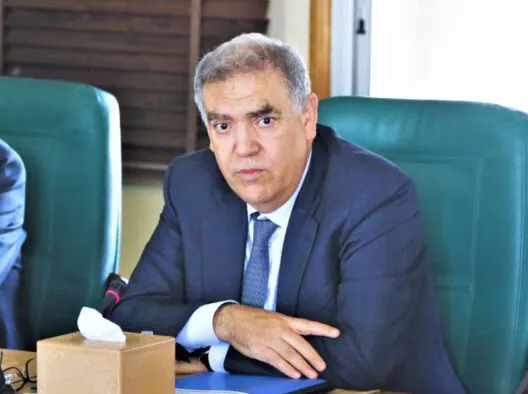
Interior Minister Abdelouafi Laftit stated that the voting process proceeded normally, with isolated incidents reported and addressed by relevant authorities. Laftit emphasized that voting secrecy and tallying integrity were maintained. While some have called for greater guarantees and oversight, it remains to be seen whether these claims will lead to significant changes in the electoral process.
Element's loss has also highlighted the dynamic nature of Moroccan politics. Despite his long history in politics and symbolic status, Element was outperformed by other candidates. The election results suggest that voters opted for change, choosing three new representatives for the district. This shift underscores the evolving nature of Moroccan politics and the ability of voters to effect change.
Critics of the electoral process have pointed to concerns about fairness and transparency. However, the case of Boulmane presents a complex picture, with some arguing that the government's influence may not be as significant as claimed. The outcome challenges assumptions about the ability of certain figures to secure election through state backing.
The debate surrounding Morocco's electoral integrity comes at a critical time, with the government seeking to strengthen democratic institutions. While allegations of irregularities have been made, it remains unclear whether these claims will lead to substantial reforms. The focus now shifts to the implications of the election results and their potential impact on Moroccan politics.
Moving forward, attention will focus on whether the Moroccan government will take steps to address concerns about electoral fairness. The case of Amhand Element serves as a test of the country's commitment to democratic principles and the ability of voters to shape the political landscape.
Key points
- Moroccan former interior minister Amhand Element loses parliamentary seat in Rabat's Boulmane district.
- Element's defeat sparks debate about electoral integrity and government influence in Morocco.
- Moroccan government faces scrutiny over allegations of irregularities in recent parliamentary elections.