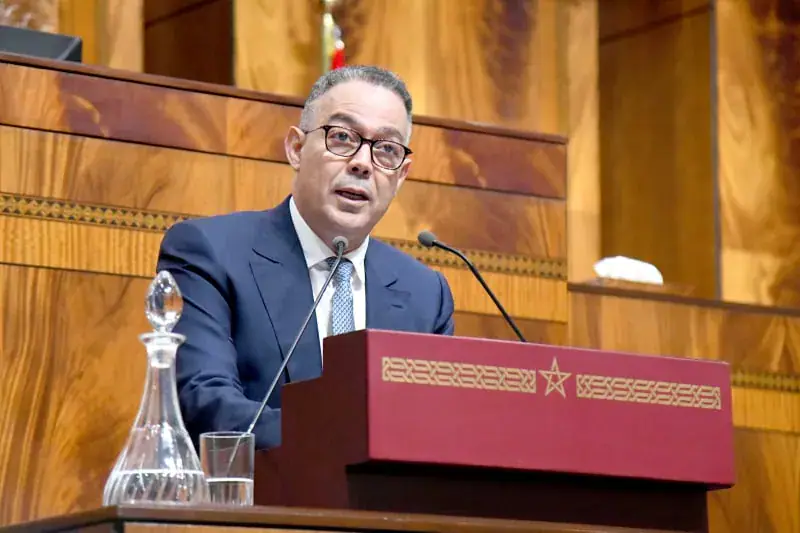
Moroccan Minister of Budget, Fouzi Lekjaa, has defended the government's decision to grant tax exemptions to FIFA for the 2030 World Cup, which Morocco will co-host with Spain and Portugal. Lekjaa emphasized that FIFA is not a commercial company, but rather an international organization with 211 member associations, and its presence in Morocco is temporary and limited to the tournament period.
During a parliamentary session, Lekjaa explained that FIFA's activities in Morocco do not constitute a permanent investment or commercial establishment, but rather a temporary presence to organize the World Cup. He cited the example of the 5,000 FIFA employees and staff who will be working in Morocco during the tournament, questioning the feasibility of subjecting them to income tax in the country.
Lekjaa also pointed out that the equipment and technical machinery brought into Morocco for the tournament, such as broadcasting and production equipment, will be used temporarily and then returned to FIFA's headquarters in Zurich, without being sold or used for commercial purposes in the country. This, he argued, justifies their exemption from customs duties.
The Minister emphasized that preparations for the 2030 World Cup go beyond the tournament itself, with projects aimed at developing Morocco's infrastructure, including transportation networks, airports, and hospitals. These projects, he said, would have been undertaken regardless of Morocco's bid to host the World Cup, as part of the country's long-term development vision.
Lekjaa revealed that the government has conducted a study on the economic and social impact of hosting the 2030 World Cup, and is willing to share the findings with parliamentarians. He was responding to criticism from opposition lawmakers, who had proposed amendments to increase oversight of tax exemptions and ensure that Moroccan companies benefit from World Cup-related contracts.
The government's stance was maintained, with the seven proposed amendments rejected by a large majority, with only seven votes in favor and 298 against. Lekjaa reiterated the government's commitment to the tax framework for the 2030 World Cup, which he described as part of Morocco's obligations as a host country for the tournament.
The debate highlights the complexities and challenges of hosting a major international event like the World Cup, including the need to balance the interests of different stakeholders and ensure that the event benefits the host country and its citizens. Morocco's hosting of the 2030 World Cup is expected to have a significant impact on the country's economy and infrastructure.
Key points
- Morocco's Minister of Budget defends FIFA's tax exemptions for the 2030 World Cup, citing the organization's non-profit status and temporary presence in the country.
Reporting sources
- لقجع في البرلمان: «الفيفا ليست شركة حتى تؤدي الضرائب » · almountakhab.com