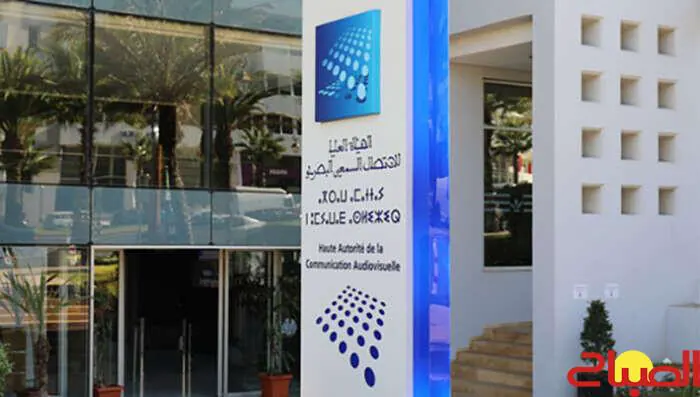
Morocco's High Authority for Audiovisual Communication, known as HACA, has recently decided to halt the broadcast of the radio program "Din wa Dounia" on Shadha FM for a month. This decision was made following an evaluation of a specific episode aired on September 18, which reportedly failed to adhere to the principles of objectivity, neutrality, and broadcasting regulations. The program in question is a well-known series that discusses various social and religious topics.
According to HACA, the episode in question included statements that contravened the established broadcasting codes. The regulatory body is tasked with ensuring that all media outlets operate within the legal framework and maintain a balanced approach in their content. The decision to suspend the program's broadcast for a month is part of HACA's efforts to enforce compliance with these regulations. This move has been reported by several local news sources, including Assabah newspaper.
The suspension of "Din wa Dounia" on Shadha FM has garnered attention from the public and media professionals alike. Shadha FM is a popular radio station in Morocco, known for its diverse programming that caters to a wide audience. The program "Din wa Dounia" was a significant part of the station's lineup, engaging listeners with discussions on religion and daily life. The reasons behind the HACA's decision highlight the ongoing challenges media outlets face in balancing content with regulatory requirements.
HACA's role in regulating the audiovisual sector in Morocco is crucial. The authority was established to ensure that media content aligns with national laws and ethical standards. By taking action against non-compliant programs, HACA aims to promote a responsible media environment. The decision regarding "Din wa Dounia" on Shadha FM demonstrates the authority's commitment to upholding these standards across various media platforms.
The decision to halt the broadcast of "Din wa Dounia" for a month is part of a broader effort to maintain media integrity. Media outlets in Morocco operate under a set of guidelines that are designed to promote fairness, accuracy, and respect for the law. HACA's actions serve as a reminder of the importance of adhering to these guidelines. The Moroccan public and media professionals are keenly observing how this situation unfolds and its potential impact on media practices.
The impact of HACA's decision on Shadha FM and its listeners is significant. Radio programs like "Din wa Dounia" play a vital role in providing content that resonates with the audience. The suspension of such programs can affect both the station's programming schedule and its audience engagement. It also underscores the need for media outlets to continuously assess their content to ensure compliance with regulatory standards.
In conclusion, HACA's decision to suspend the broadcast of "Din wa Dounia" on Shadha FM for a month reflects the regulatory body's commitment to enforcing media standards in Morocco. This move is part of the ongoing efforts to ensure that media content aligns with national regulations and ethical guidelines. The situation will likely continue to be monitored by both the media community and the public.
Key points
- The Moroccan High Authority for Audiovisual Communication (HACA) has halted the broadcast of the radio program "Din wa Dounia" on Shadha FM for a month due to non-compliance with broadcasting regulations.