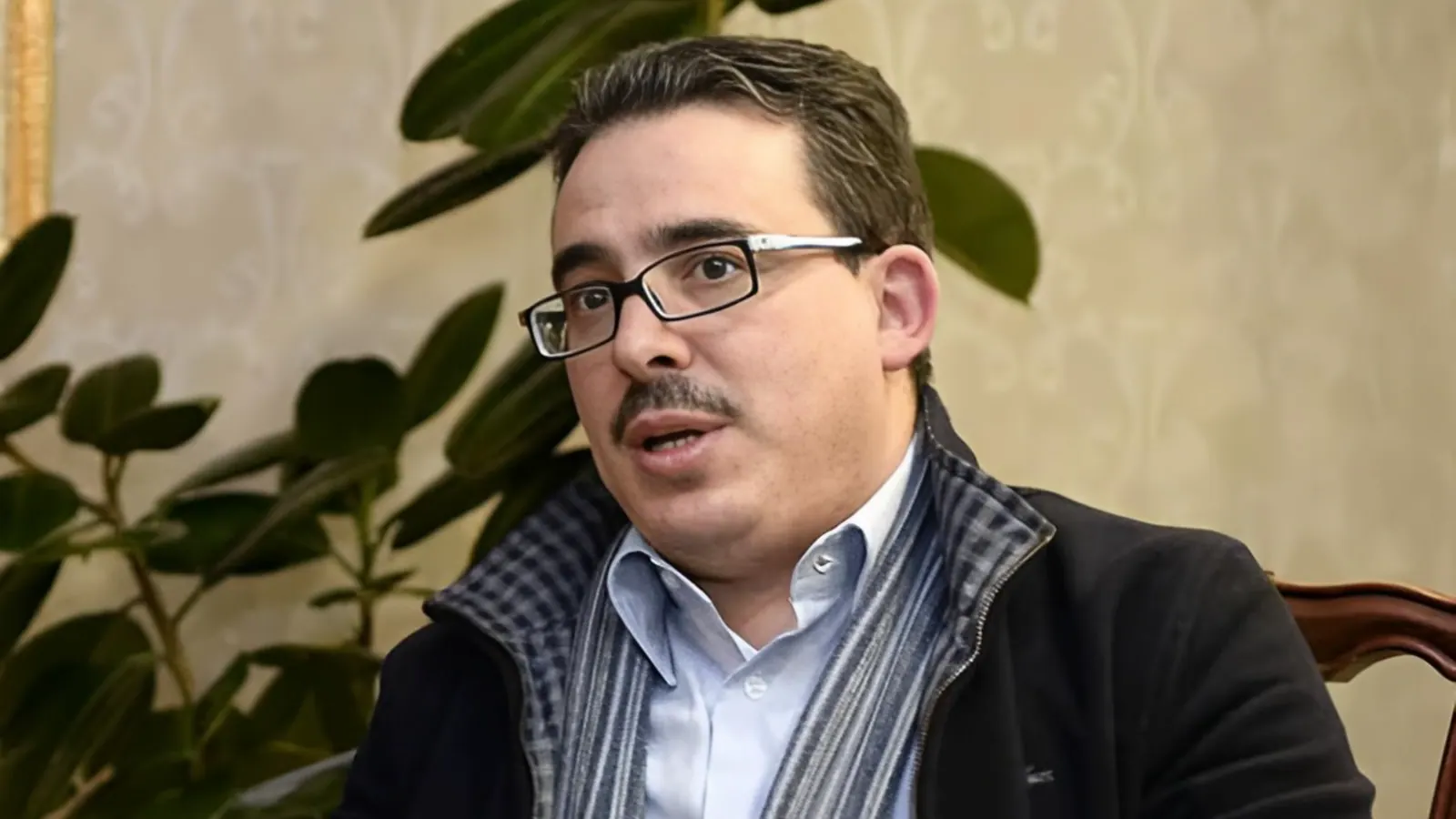
In a recent statement, Ahmed Charaï, a prominent Moroccan journalist and businessman, addressed criticism from exiled journalist Taoufik Bouachrine. Charaï emphasized that he will not engage with critics who seek to undermine his reputation and that of his media company. He highlighted that his company has built a reputation for professionalism and integrity over the past thirty years, with a team of respected journalists.
Charaï took issue with Bouachrine's attempts to lecture others on ethics and credibility, given his own history of controversy. He recalled that Bouachrine had previously tried to ingratiate himself with the Moroccan royal family during a visit to Kosovo. Charaï stated that Bouachrine's history of "dirty journalism" and sycophancy undermines his credibility.
Charaï also referenced his own background, noting that he has built a successful media company through hard work and dedication. He emphasized that his company's reputation is built on a foundation of professionalism and integrity, with a team of experienced journalists. Charaï expressed pride in his company's achievements and the respect it has earned from colleagues and peers.
The controversy between Charaï and Bouachrine appears to be linked to a recent development in Moroccan journalism. Moukhtar Lgazoui, a journalist and director of the newspaper Al Ahdath Al Maghribia, was elected president of the National Press Council. Charaï expressed support for Lgazoui and congratulated him on his election.
Lgazoui's election was seen as a significant development in Moroccan journalism, with many hailing it as a victory for press freedom. Charaï noted that Lgazoui's election is a testament to the professionalism and integrity of Moroccan journalists. He emphasized that the National Press Council plays a crucial role in promoting press freedom and protecting the rights of journalists.
The exchange between Charaï and Bouachrine highlights the complex and often contentious nature of Moroccan journalism. Charaï's response to Bouachrine's criticism suggests that he is willing to defend his reputation and that of his company. The controversy also underscores the challenges faced by journalists in Morocco, where press freedom is often subject to constraints.
In a related development, Moroccan authorities have reaffirmed their commitment to protecting press freedom and promoting the rights of journalists. The government has emphasized the importance of a free and independent press in promoting democracy and good governance. The controversy between Charaï and Bouachrine is likely to continue, with implications for the future of Moroccan journalism.
Key points
- Ahmed Charaï responds to criticism from exiled journalist Taoufik Bouachrine.
- Charaï emphasizes his company's reputation for professionalism and integrity.
- The controversy highlights the challenges faced by journalists in Morocco.