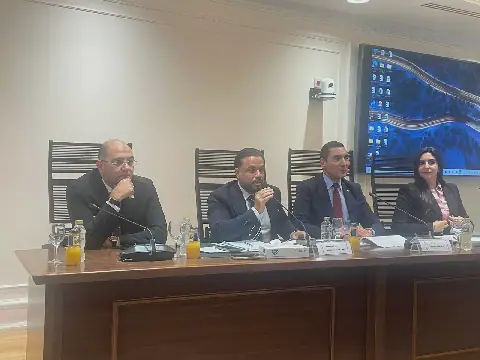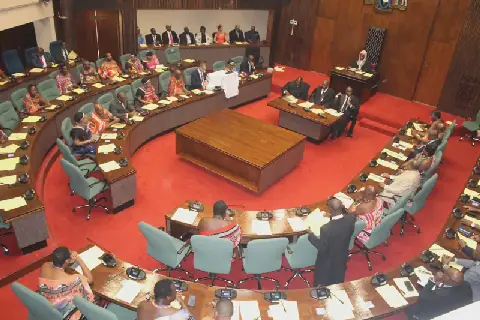
Morocco's House of Representatives has approved the 2027 budget bill with 179 votes in favor and 126 against. The bill, led by Finance Minister Fouzi Lekjaa, now moves to the House of Councillors for discussion and voting. The approved bill focuses on five priorities, including supporting purchasing power, health, education, housing, and integrating young people into the workforce.
The 2027 budget bill includes several key allocations, such as 44.2 billion dirhams to continue the social protection project and 210 billion dirhams over eight years for territorial development programs. A total of 291 amendments were proposed during the committee discussion, with 59 accepted and 232 rejected. Accepted amendments included changes to income tax, customs duties on certain imports, and measures to support purchasing power.
The bill aims to increase the storage capacity of dams to over 24 billion cubic meters by the end of 2027 and to exceed 1.8 billion cubic meters of desalinated water by 2031. Renewable energy is expected to account for 52% of installed electrical capacity by 2030. The government rejected proposals to expand the 40% tax on major telecommunications and cement companies.
Finance Minister Fouzi Lekjaa rejected a proposal to end the exemption from import duties on livestock and meat, citing a decline in the national herd and rising prices. He emphasized that imports are subject to regular monitoring. The bill will now be discussed and voted on by the House of Councillors before returning to the House of Representatives for a second reading.
The 2027 budget bill focuses on several key areas, including supporting purchasing power, health, education, housing, and integrating young people into the workforce. The bill also prioritizes accelerating advanced regionalization and territorial development. A total of 210 billion dirhams has been allocated for territorial development programs over eight years.
The Moroccan government's budget plans have been closely watched by various stakeholders, including economists and social activists. The country's economic growth has been impacted by several factors, including the COVID-19 pandemic and global economic trends. The 2027 budget bill aims to address some of these challenges while promoting economic development and social welfare.
The approved budget bill is expected to have a significant impact on Morocco's economy and society. The government's priorities, as outlined in the bill, reflect its efforts to address pressing social and economic issues. The bill's passage marks an important step in the country's budget planning process, which will now continue in the House of Councillors.
Key points
- The 2027 budget bill allocates 44.2 billion dirhams for social protection and 210 billion dirhams for territorial development programs.