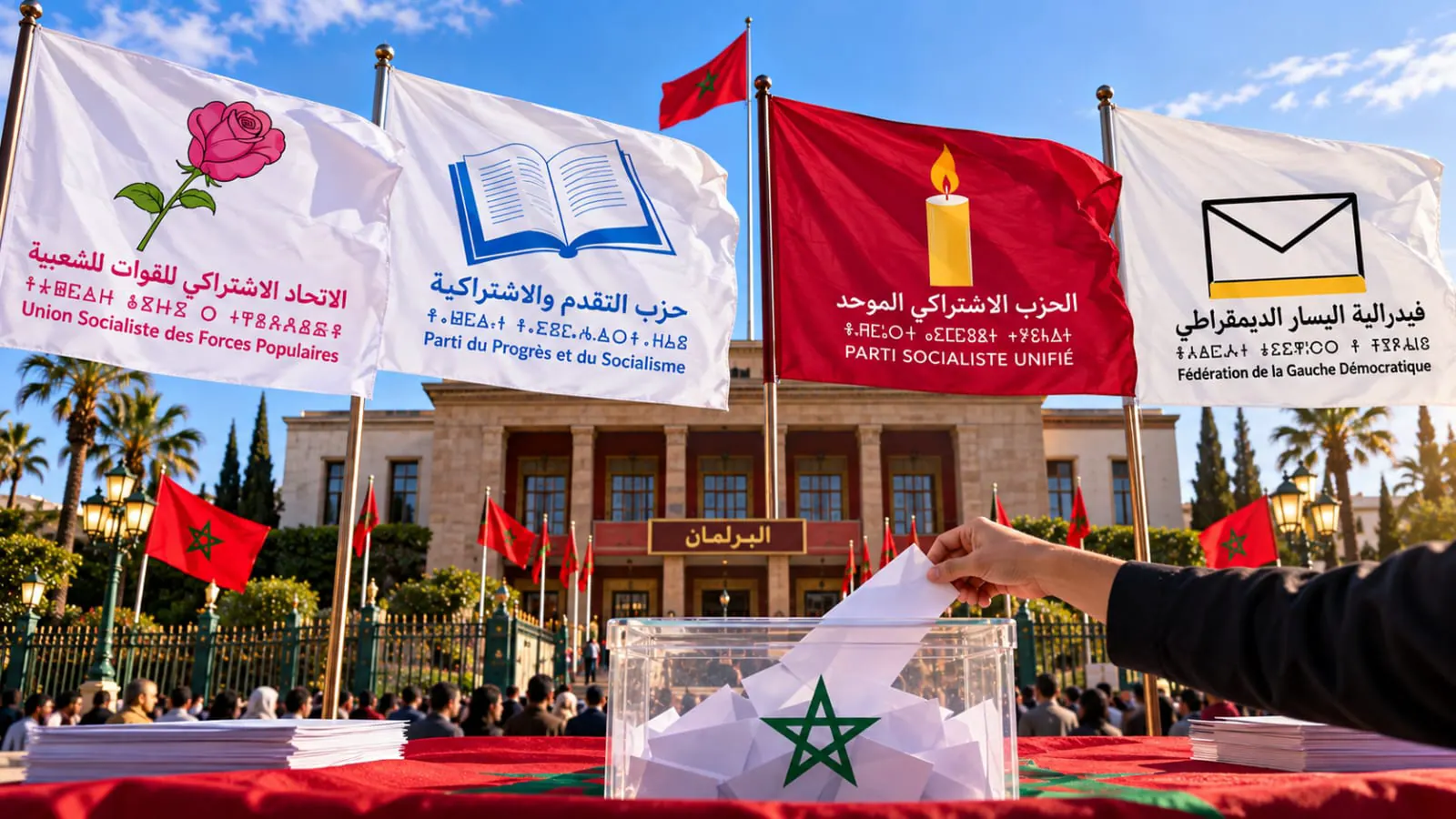
Morocco's 2026 elections have produced a surprise outcome, with left-wing parties securing a significant number of seats. The parties, which include the Socialist Forces Union, the Party of Progress and Socialism, and the Left Alliance, collectively won 53 seats. This showing has raised questions about the potential for a stronger left-wing presence in Moroccan politics. The outcome is particularly notable given the challenges faced by these parties during the campaign.
The left-wing parties' performance is significant, considering they did not have the same level of resources as other parties. Despite this, they were able to secure a substantial number of seats, with the Socialist Forces Union winning 26 seats, the Party of Progress and Socialism taking 19 seats, and the Left Alliance securing 8 seats. This outcome has sparked debate about the potential for a stronger left-wing presence in Moroccan politics.
The left-wing parties faced significant challenges during the campaign, including limited resources and a lack of coordination between them. This made it difficult for them to present a united front and effectively communicate with voters. Despite these challenges, the parties were able to secure a significant number of seats, suggesting that they have a strong base of support among Moroccan voters.
The outcome of the elections has raised questions about the future of the left-wing parties in Moroccan politics. One key issue is the need for greater coordination and unity among the parties. There are also concerns about the parties' ability to engage with younger voters and to present a compelling vision for the future of Morocco. The parties will need to address these challenges if they are to build on their success in the 2026 elections.
The performance of the left-wing parties has also sparked debate about the state of democracy in Morocco. The elections were seen as an important test of the country's democratic institutions, and the outcome suggests that there is still a strong appetite for political engagement among Moroccan voters. However, there are also concerns about the need for greater transparency and accountability in the electoral process.
The left-wing parties' success has also raised questions about their potential role in future governments. While it is unclear what role they will play, the outcome suggests that they will be a significant force in Moroccan politics for the foreseeable future. The parties will need to navigate the complexities of Moroccan politics and build alliances with other parties if they are to achieve their goals.
The outcome of the elections has significant implications for the future of Moroccan politics. The success of the left-wing parties suggests that there is a growing appetite for change and a desire for greater social and economic equality. The parties will need to capitalize on this momentum and present a compelling vision for the future of Morocco if they are to build on their success in the 2026 elections.
Key points
- The left-wing parties' success in the 2026 elections has significant implications for the future of Moroccan politics.
- The parties will need to address challenges such as limited resources and a lack of coordination if they are to build on their success.
- The outcome suggests that there is still a strong appetite for political engagement among Moroccan voters.