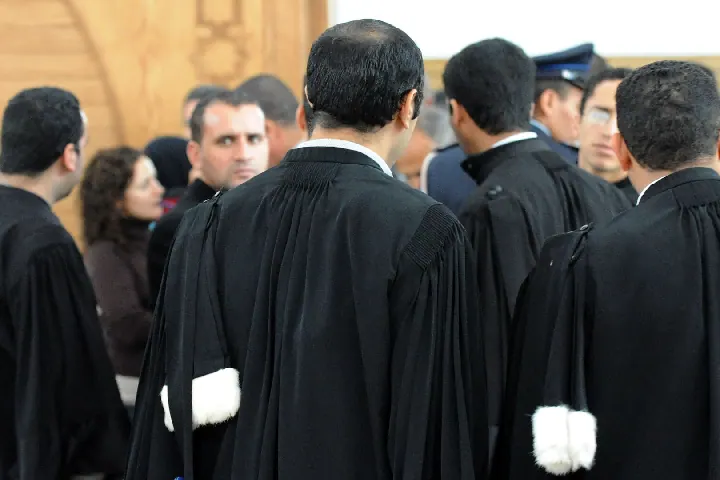
In a significant development, Moroccan lawyers have returned to work after a four-month hiatus. The resumption of their duties marks a new chapter in their professional lives, as they had suspended work in protest over various issues. According to reports, lawyers have started attending court sessions and performing their defensive duties in a normal atmosphere. This move comes after the decision by the Moroccan Bar Association to suspend their strike as of October 7.
The return of lawyers to their work has been met with a mix of relief and cautious optimism. While the resumption of work is seen as a positive step, lawyers have made it clear that this does not mean they are abandoning their core demands. Instead, they view this as an opportunity to engage in constructive dialogue with the government. Khalid Al-Dhahabi, a lawyer from Casablanca, emphasized that the suspension of the strike does not imply abandoning their just demands.
The issues that led to the strike include the organization of the legal profession and contentious legislative texts. The relationship between the Moroccan Bar Association and the Ministry of Justice has been strained, leading to intermittent protests over the past two years. Lawyers are hopeful that the current political climate, marked by the end of the current government's term and the formation of a new one, will provide an opportunity for meaningful dialogue.
The resumption of work by lawyers is also seen as a test of the government's willingness to engage with their demands. Omar Fssal, a lawyer, described the situation during the strike as "unbearable" and criticized the legislative process during the outgoing government's term. He emphasized that the return to work is an opportunity for the government to demonstrate its commitment to addressing the concerns of the legal profession.
The issues at stake include the regulation of the legal profession and the need for a more effective and just system. Lawyers believe that the current legislative framework does not adequately address their concerns, and they are seeking changes that will improve the administration of justice. The government's response to these demands will likely determine the future of the legal profession in Morocco.
The strike by lawyers had significant implications for the justice system in Morocco. The prolonged absence of lawyers from court sessions disrupted the functioning of the courts and led to a backlog of cases. The resumption of work by lawyers is expected to help clear this backlog and restore normalcy to the justice system.
In conclusion, the return of Moroccan lawyers to work marks a significant development in the country's justice system. While there are hopes for constructive dialogue with the government, lawyers remain committed to their core demands. The government's response to these demands will likely determine the future of the legal profession in Morocco and the administration of justice in the country.
Key points
- Moroccan lawyers have resumed work after a four-month strike, with hopes of engaging in new discussions with the government.