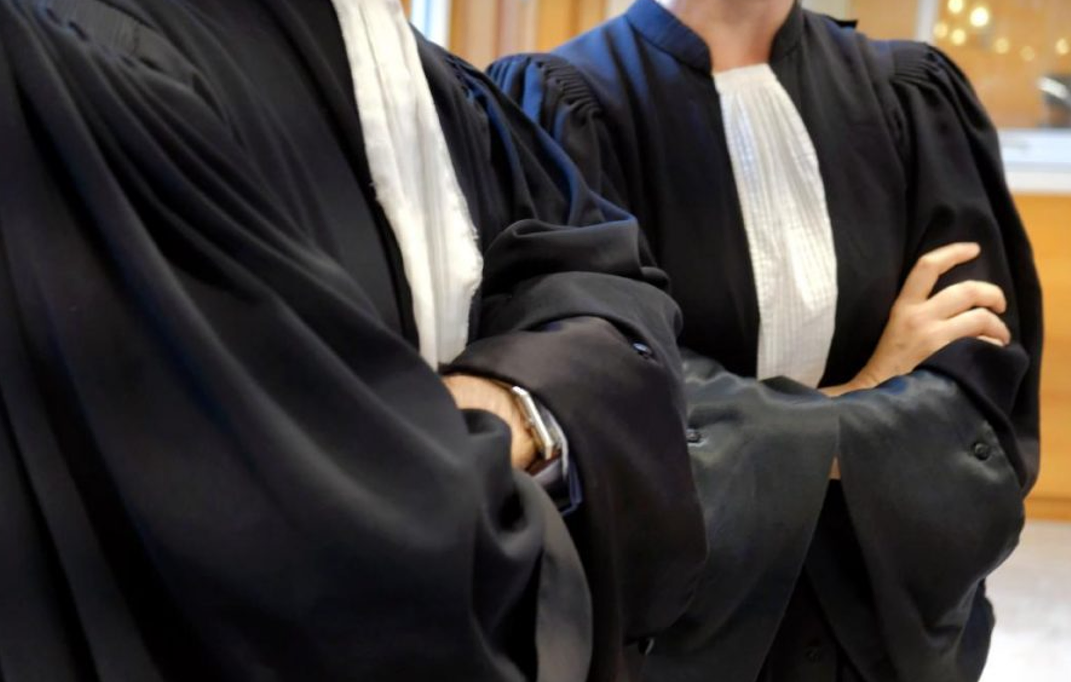
The Moroccan Bar Association has announced a temporary suspension of its protest against a new law governing the legal profession, which was set to take effect on October 7. The decision comes after several months of mobilization and escalation of the movement. The association had initially planned a one-week strike, which was later extended several times. The suspension of the protest is seen as a tactical move, rather than a complete capitulation.
The conflict centers around Law No. 66.23, which the association claims undermines the independence and autonomy of the legal profession. The law was published in the Official Bulletin on August 20 and entered into force on the same day, despite opposition from lawyers. The Constitutional Court had earlier declared that it could not rule on the constitutionality of the law due to procedural issues.
The Moroccan Bar Association has shifted its strategy from a confrontation approach to a more institutional and political pressure. The association is now seeking to engage with the new government and parliament, which took office after recent elections. The suspension of the protest is seen as an opportunity for the association to negotiate with the authorities and find a solution to the crisis.
The conflict has far-reaching implications, going beyond the interests of the legal profession. It raises questions about the independence of the judiciary, the role of professional organizations, and the balance of power between the executive and regulatory bodies. The association has emphasized that the issue is not just about the law, but about the future of the justice system.
The temporary suspension of the protest has been welcomed by some as a positive step towards a resolution of the crisis. However, the association has made it clear that it will not abandon its demands and will continue to pressure the government to address its concerns. The president of the association and other officials have emphasized that the return to work does not mean the end of the mobilization.
The conflict has highlighted the challenges faced by professional organizations in Morocco, which are seeking to assert their autonomy and independence in the face of government regulation. The issue has sparked a wider debate about the role of professional organizations in the country's democratic system and the balance of power between different institutions.
The outcome of the conflict will have significant implications for the future of the justice system in Morocco. The association's demands for greater autonomy and independence are seen as crucial to ensuring the integrity and impartiality of the judiciary. The government's response to the crisis will be closely watched by lawyers, judges, and human rights activists, who are seeking to ensure that the rule of law is upheld.
Key points
- The Moroccan Bar Association has suspended its protest against a new law governing the legal profession, but vows to continue pressure on the government to address its concerns.
- The conflict centers around Law No. 66.23, which the association claims undermines the independence and autonomy of the legal profession.
- The outcome of the conflict will have significant implications for the future of the justice system in Morocco.