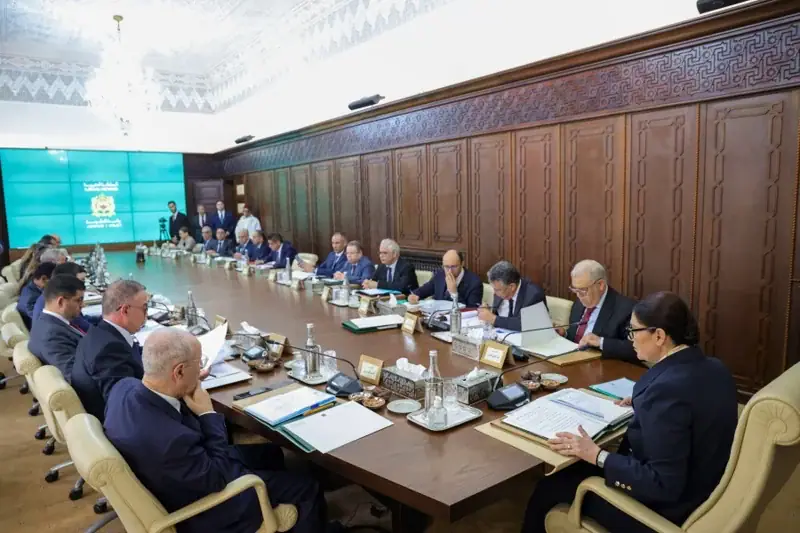
Moroccan labor unions have called for increased salaries and pensions for workers in the public and private sectors, as well as improved purchasing power, following a meeting with the Head of Government, Fatima Ezzahra El Mansouri. The unions, including the Moroccan Labor Union (UMT), the General Union of Moroccan Workers (UGTM), and the Democratic Confederation of Labor (CDT), made the demands in Rabat. They emphasized the need for urgent measures to address the rising cost of living and protect workers' purchasing power.
The UMT's Secretary General, Miloudi Moukharik, stated that his union had insisted on implementing mechanisms to curb the high cost of living and protect purchasing power. He also called for a general increase in salaries, as well as a revaluation of retirement pensions for public sector workers, private sector employees, and those in public establishments. Additionally, Moukharik mentioned that the UMT had requested increased family allowances for children and greater protection for trade union freedoms.
Youssef Allakouch, Secretary General of the UGTM, highlighted that the meeting provided an opportunity to reaffirm the demands and expectations of Moroccan workers, particularly regarding salary increases and improved incomes and pensions. He noted that the unions had also emphasized the need to implement two agreements signed by the government and labor unions in 2022 and 2024. Furthermore, Allakouch stressed the importance of strengthening social dialogue through a legal framework that ensures its continuity and permanence.
Khalid Alami Houir, Secretary General of the CDT, advocated for a general increase in salaries and pensions, as well as higher family allowances and a higher minimum wage in the industrial and agricultural sectors. He emphasized the need to implement government commitments outlined in previous agreements, adding that social dialogue should lead to a "social pact" that provides concrete responses to workers and citizens. Alami Houir also stressed the importance of respecting the periodicity and regulation of social dialogue.
The labor unions' demands come as the Moroccan government faces pressure to address the rising cost of living and improve the standard of living for its citizens. The country's inflation rate has been increasing, driven by higher food and energy prices. The unions' calls for higher salaries and pensions are seen as a key step towards mitigating the impact of inflation on workers and their families.
The meeting between the labor unions and the Head of Government was seen as a positive step towards addressing the concerns of Moroccan workers. However, it remains to be seen whether the government will agree to the unions' demands. The government has previously announced measures to support low-income households and address the rising cost of living, but the unions are pushing for more comprehensive solutions.
The social dialogue between the government and labor unions is expected to continue in the coming weeks. The unions have emphasized the importance of a sincere and authentic dialogue that benefits Moroccan workers and citizens. The outcome of these discussions will likely have a significant impact on the country's labor market and the standard of living for its citizens.
Key points
- Moroccan labor unions demand higher salaries, pensions, and improved purchasing power for public and private sector workers.