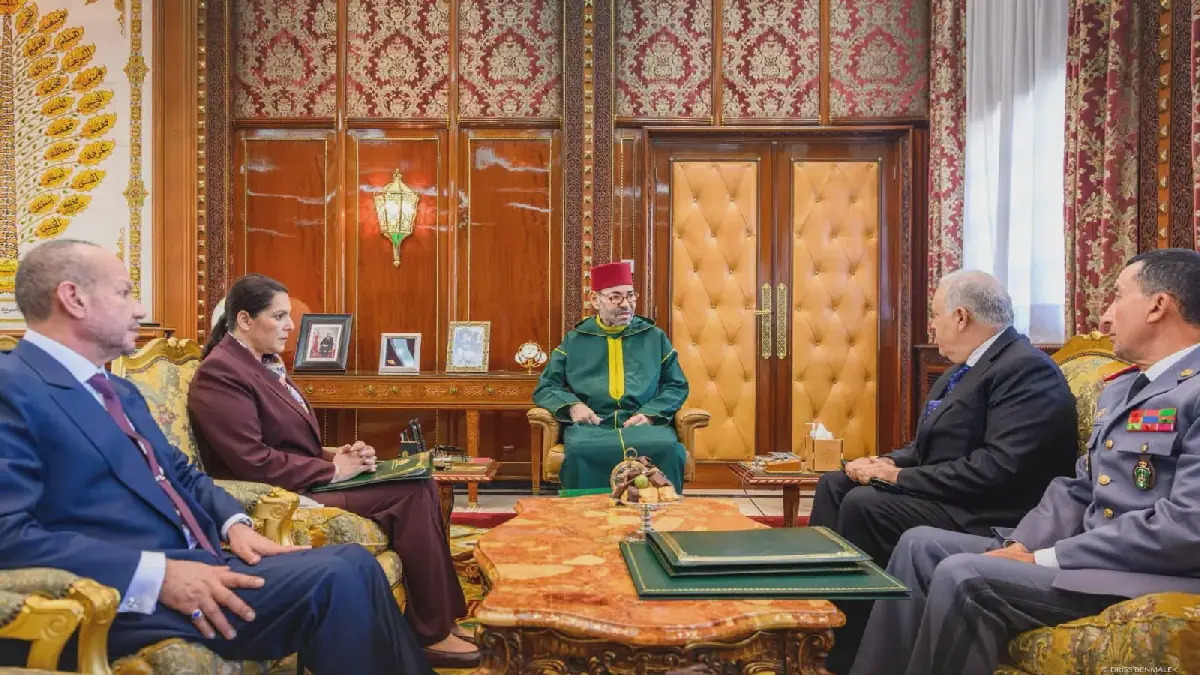
On November 4, 2026, King Mohammed VI of Morocco chaired a working session at the Royal Palace in Rabat to discuss the next steps following the end of the MINURSO mission. The King emphasized the importance of security, development of the southern provinces, respect for the ceasefire, and accompaniment to the withdrawal of the UN mission. This meeting marked a significant milestone in the country's approach to the Sahara issue. The King's instructions are expected to shape Morocco's strategy in the region.
The MINURSO mission, which was established in 1991, had been playing a crucial role in maintaining a ceasefire in the Sahara region. However, its mandate was not renewed by the UN Security Council on October 30, 2026, due to a veto by Russia. This development has paved the way for Morocco to take a more active role in the region. The King's priorities are seen as a key step in this direction. Morocco has been seeking a more definitive solution to the Sahara issue.
The development of the southern provinces is a key aspect of the King's priorities. This region has been a focal point of the Sahara conflict, with Morocco seeking to assert its sovereignty over the area. The King's emphasis on development is seen as an effort to improve living conditions and create economic opportunities for the local population. This approach is expected to help build stability and security in the region.
The respect for the ceasefire is another crucial aspect of the King's priorities. The ceasefire has been in place since 1991, but it has been fragile at times. Morocco's commitment to upholding the ceasefire is seen as an effort to build trust and create a more stable environment in the region. This is particularly important as the country moves forward with its development plans.
The withdrawal of the MINURSO mission has raised concerns about the potential for increased tensions in the region. However, the King's emphasis on accompaniment to the withdrawal is seen as an effort to mitigate these risks. Morocco is expected to work closely with the UN to ensure a smooth transition and minimize disruptions to the local population.
The King's priorities have been welcomed by some as a positive step towards a more definitive solution to the Sahara issue. However, others have expressed concerns about the potential implications of Morocco's approach. The country has been seeking international support for its position on the Sahara issue, and the King's priorities are seen as an effort to build momentum in this direction.
The next steps in the Sahara issue are expected to be closely watched by the international community. Morocco's approach is seen as a key factor in determining the future of the region. The King's priorities have set the stage for a more active Moroccan role in the region, and it remains to be seen how this will play out in the coming months and years.
Key points
- King Mohammed VI sets priorities for security, development, and respect for ceasefire in Sahara region
- Morocco's approach to Sahara issue expected to shape country's strategy in region
- Withdrawal of MINURSO mission raises concerns about potential for increased tensions in region