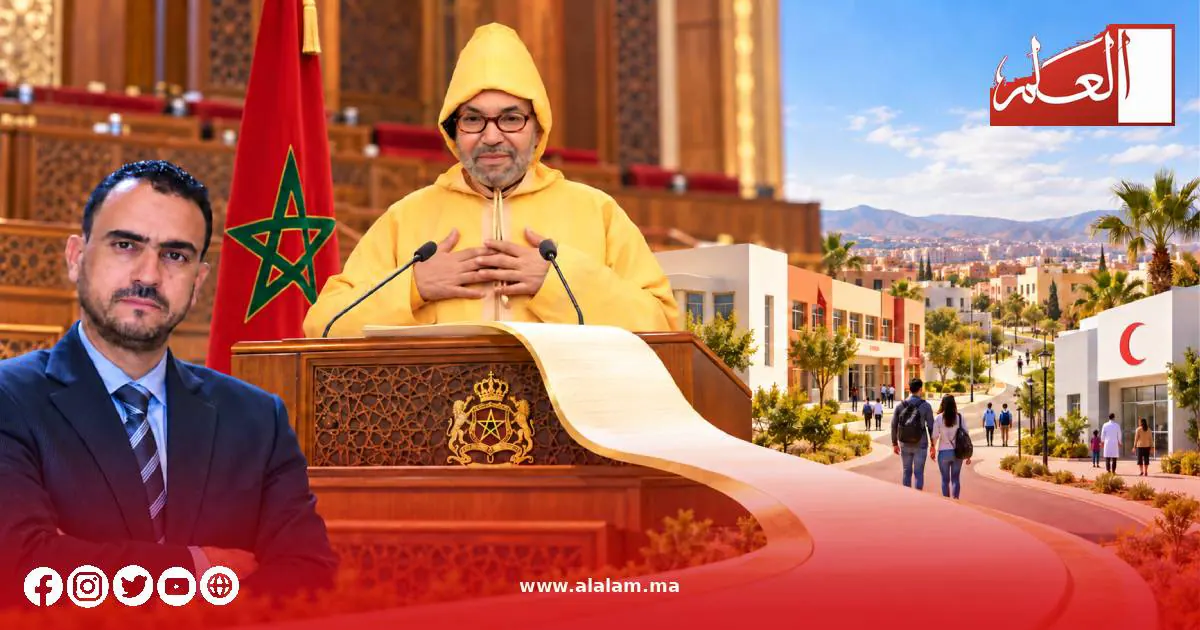
On October 10, 2026, King Mohammed VI of Morocco addressed the parliament, highlighting key aspects of responsibility and morality in governance. The speech featured recitations from the Quran, specifically from Surah Al-Baqarah, emphasizing the importance of sincerity and fulfilling one's commitments. The King's address underscored the need for politicians to move beyond mere promises and focus on tangible achievements.
The King's speech was not just a religious gesture but a call to action for politicians to prioritize the needs of their constituents. He described the parliamentary mandate as a "political commitment and a moral contract" between the elected officials and the citizens. This perspective stresses that fulfilling promises is not merely about the quantity of pledges made but about the quality of actions taken and their impact on the lives of citizens.
A significant part of the King's address focused on the decentralization of administrative power and the advancement of regional governance. He urged for the acceleration of these reforms, emphasizing that the true test of commitment to decentralization lies in its implementation and the tangible benefits it brings to the population. This call to action aims to bridge the gap between policy intentions and their practical execution.
The King's emphasis on social justice and fairness also resonated throughout the speech. He called for concerted efforts to achieve social and spatial justice, positioning youth at the forefront of public policies. This vision underscores that development is not solely measured by the scale of investments but by its impact on the lives of citizens, particularly in reducing inequalities and enhancing social mobility.
The conclusion of the King's speech with the Quranic verse, "Whoever comes with a good deed will have ten times its reward," served as a moral reminder of the importance of good deeds and their lasting impact. This message is seen as a call to politicians to prioritize actions that benefit the nation and its people, recognizing that the value of one's work can far exceed their own lifetime and tenure in office.
The speech has been interpreted as a call for a shift from a culture of rhetoric to one of achievement, where the true measure of a politician's success is not what they say but what they accomplish. This perspective aligns with the King's broader vision of encouraging a sense of responsibility and duty among citizens and leaders alike, emphasizing that national pride and identity must translate into constructive actions for the betterment of the country.
Ultimately, King Mohammed VI's address to parliament serves as a reminder of the enduring values of responsibility, morality, and the importance of translating words into actions. As Morocco looks to the future, the King's message offers a framework for governance that prioritizes the well-being of citizens, the importance of fulfilling promises, and the pursuit of good deeds for the collective benefit of society.
Key points
- The King's speech emphasized the importance of fulfilling promises and translating words into tangible actions for the benefit of Moroccan citizens.