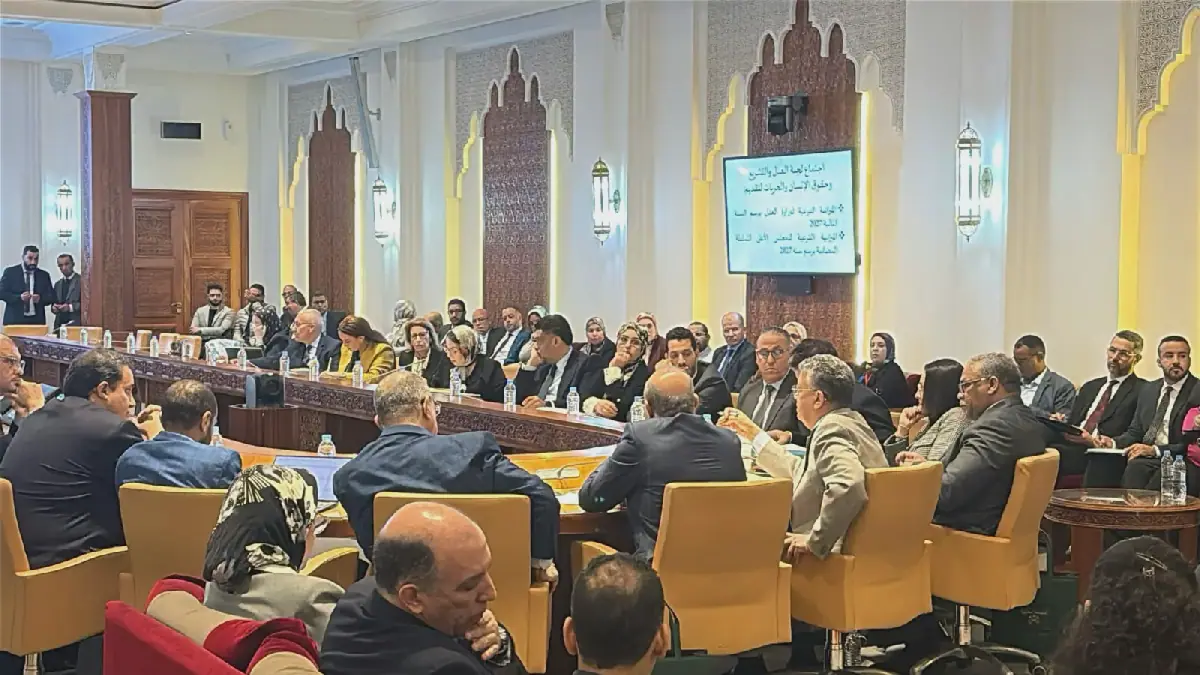
Moroccan Minister of Justice, Abdul Latif Wahbi, emphasized his commitment to maintaining the independence of the judiciary, stating that he refuses to meet with judges' associations. According to Wahbi, this responsibility falls under the purview of the President of the Judiciary, and he will not assume this role or interfere with it. This stance was made clear during a presentation of the Ministry of Justice and Judiciary's budget to the Justice and Legislation Committee.
Wahbi highlighted that matters related to the judiciary, including the management of vehicles, have been completely separated from the Ministry of Justice and transferred to the Judiciary. This decision aims to prevent any potential influence or bias in the allocation of resources. Specifically, Wahbi mentioned that the purchase of vehicles for judicial officials is now handled directly by the President of the Judiciary, eliminating any involvement from the Ministry.
The Minister of Justice underscored the importance of upholding the independence of judges, citing the example of vehicle allocation. He explained that it would be inappropriate for the Minister of Justice to purchase a vehicle and present it to a judge or court president, as this could compromise the judge's impartiality. Instead, vehicles are now provided to judicial officials through the President of the Judiciary, ensuring a direct and transparent process.
Regarding inspection powers, Wahbi announced that a joint plan has been developed with the Judiciary to guarantee the independence of inspection tasks. Under this plan, inspectors from the Judiciary will oversee judges, while administrative inspectors will monitor employees, with both processes occurring independently and on the same date. This arrangement aims to maintain the autonomy of the judiciary while ensuring accountability.
Wahbi also clarified the procedures for handling inspection reports. He stated that as Minister of Justice, he receives reports from administrative inspectors but does not receive reports on judges from the Judiciary. Conversely, judges have the right to access reports on administrative inspections to assess the scope of their responsibilities. This separation of responsibilities is designed to preserve the independence of the judiciary.
The Minister of Justice emphasized his commitment to respecting the boundaries of his role and authority. By separating the management of judicial resources from the Ministry of Justice, Wahbi aims to prevent any potential conflicts of interest and maintain the trust and impartiality of the judiciary. This approach is part of broader efforts to strengthen the independence and effectiveness of Morocco's judicial system.
Wahbi's statements reflect the ongoing efforts of the Moroccan government to enhance the independence and transparency of the judiciary. By establishing clear protocols and boundaries, the Ministry of Justice aims to promote public trust and confidence in the judicial system. The implementation of these measures will be closely watched by various stakeholders, including human rights organizations and civil society groups.
Key points
- Moroccan Minister of Justice, Abdul Latif Wahbi, asserts his commitment to maintaining the independence of the judiciary.
- Wahbi refuses to meet with judges' associations, citing the need to respect the role of the President of the Judiciary.
- The Ministry of Justice has separated its responsibilities from those of the Judiciary, including the management of vehicles and inspection tasks.