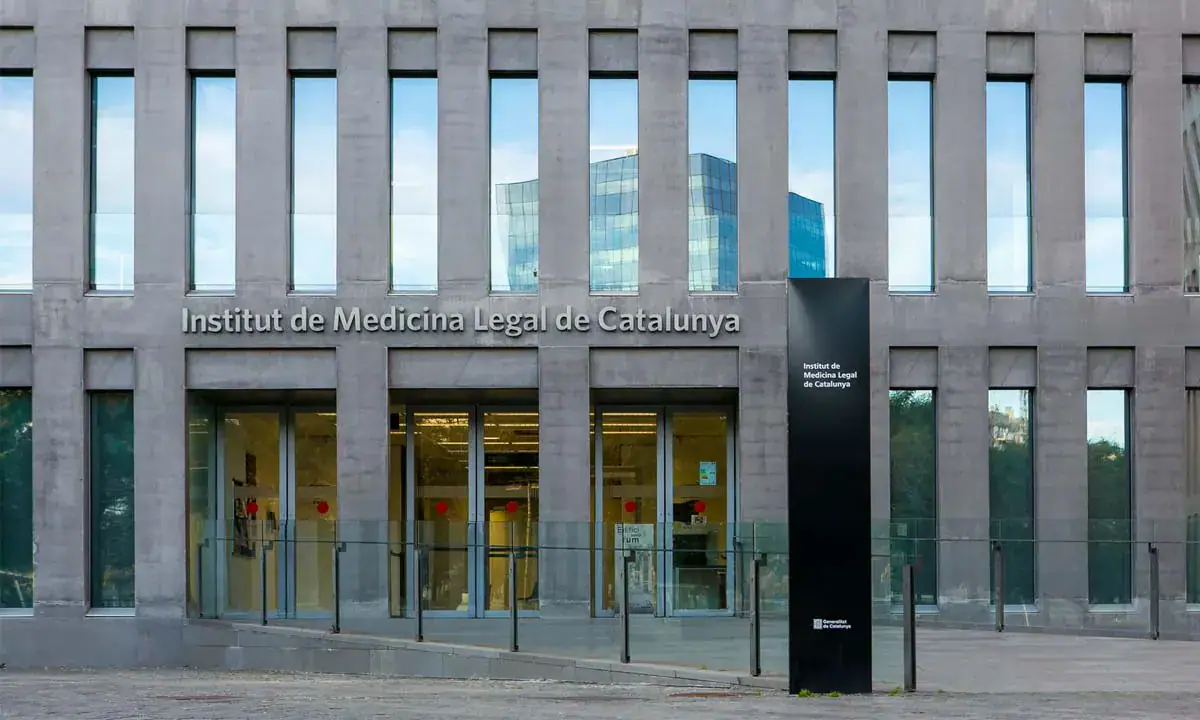
A Moroccan judicial delegation arrived in Barcelona on November 8 to study Catalonia's experience in forensic medicine and anti-human trafficking efforts. The visit aims to foster cooperation and exchange expertise between Morocco and Catalonia. The Moroccan delegation consists of representatives from the Public Prosecution and judicial professionals. They visited the Institute of Forensic Medicine and Forensic Sciences of Catalonia to learn about methods and protocols for handling human trafficking victims.
The visit included a tour of the Institute's facilities, where the delegation learned about the work of the Specialized Forensic Evaluation Unit for human trafficking victims. They studied mechanisms for monitoring vulnerability and exploitation indicators, as well as coordination between judicial, medical, and social services. The program also included a visit to the Barcelona Justice City complex and other judicial facilities. There, the delegation observed models of intervention in this field.
The Moroccan delegation analyzed anonymous case studies to exchange experiences and identify best practices in determining exploitation situations. Their goal is to develop victim evaluation methods using an interdisciplinary approach combining legal, medical, and social aspects. This initiative was coordinated with the Spanish International Cooperation Foundation, which supports the development of public institutions and promotes cooperation between administrations and institutions in several countries.
The visit is part of efforts to strengthen judicial cooperation between Morocco and Catalonia. By learning from the Spanish experience, the Moroccan delegation aims to improve its own anti-trafficking strategies. Human trafficking is a significant concern in Morocco, and the country has taken steps to combat it. The delegation's visit demonstrates Morocco's commitment to addressing this issue.
The Institute of Forensic Medicine and Forensic Sciences of Catalonia plays a crucial role in combating human trafficking in Spain. The Institute provides specialized services, including forensic analysis and victim support. The Moroccan delegation's visit highlights the importance of international cooperation in addressing human trafficking. By sharing expertise and best practices, countries can develop more effective strategies to combat this crime.
The Spanish International Cooperation Foundation has been instrumental in promoting cooperation between Morocco and Spain. The Foundation supports initiatives aimed at strengthening institutions and promoting development in several countries. Its work in Morocco focuses on areas such as justice, security, and human rights.
The Moroccan judicial delegation's visit to Spain concludes with a better understanding of anti-trafficking efforts in Catalonia. The experience gained during this visit will inform Morocco's own strategies to combat human trafficking. Key aspects of the visit include the importance of interdisciplinary approaches, international cooperation, and specialized services for victims.
Key points
- The Moroccan judicial delegation visited the Institute of Forensic Medicine and Forensic Sciences of Catalonia to learn about anti-human trafficking efforts and forensic medicine.