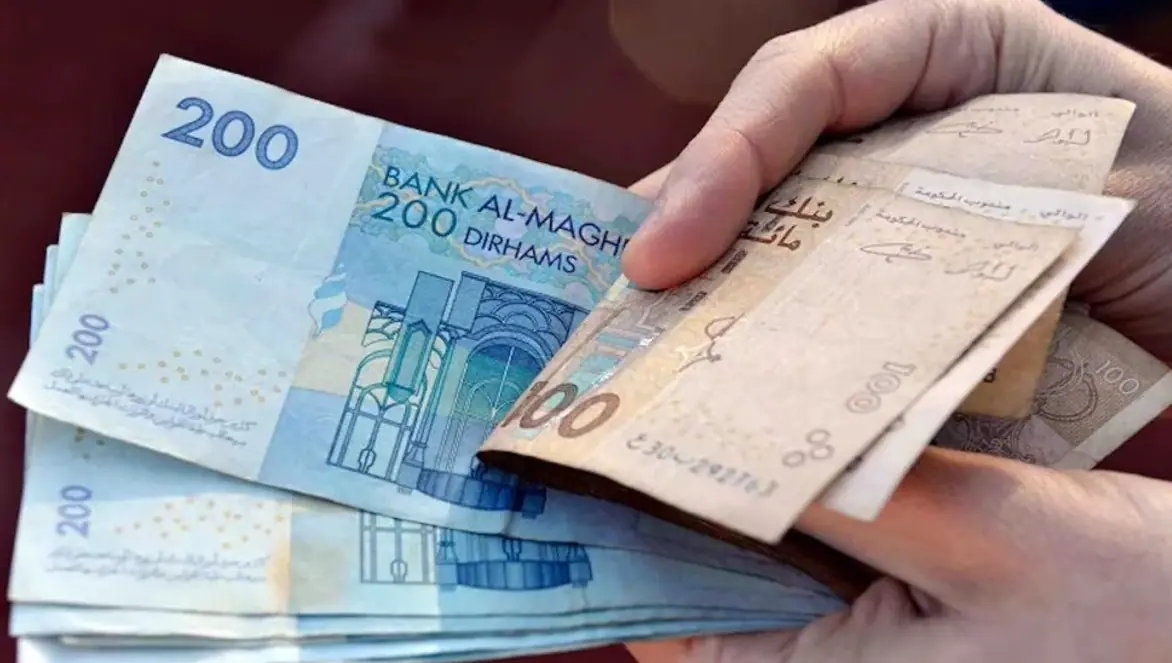
Moroccan households have become the primary providers of financing for the country's economy, according to Chakib Benmoussa, High Commissioner of the National Planning Commission. They now cover over 70% of the financing needs of companies and the national administration, up from 23% between 2014 and 2019. This significant shift highlights the crucial role households play in supporting the economy.
Despite their importance, household savings in Morocco remain a largely underutilized resource. Benmoussa emphasized that the national savings rate stands at 31% of the country's Gross Domestic Product (GDP), indicating a substantial potential for mobilizing resources to finance development and strengthen economic sovereignty. However, this potential is unevenly distributed, with savings concentrated among a portion of the population.
The demographic landscape in Morocco is undergoing significant changes, with an aging population and smaller household sizes. By 2040, the number of people over 60 is expected to reach 8 million, up from 5 million currently, and 10 million by 2050. These changes will require anticipating public policy responses to preserve household savings capacity and better support elderly care.
Benmoussa stressed the need to improve the effectiveness of investments to generate more growth and decent jobs. This involves strengthening the private sector's role, reducing production and transaction costs, stimulating innovation, and developing the potential of foreign direct investments (FDIs). The goal is to create a virtuous cycle where savings finance investments, generating employment and income that, in turn, fuel new savings capacity.
To achieve this goal, Benmoussa advocated for consolidating the middle class and preserving household savings power. He noted that household wealth, equivalent to 70% of GDP, is largely composed of bank deposits. Therefore, institutional investors can play a crucial role in diversifying investments and offering products tailored to different savings objectives and motivations.
The challenge lies in converting savings into productive investments. Benmoussa highlighted that Morocco's investment effort is already substantial, with a gross fixed capital formation (GFCF) averaging over 27% of GDP between 2010 and 2025. However, the focus should now shift to enhancing its effectiveness to generate more growth and decent jobs.
Ultimately, the key to unlocking the potential of household savings lies in creating an enabling environment that supports productive investments. This involves addressing the challenges of investment efficiency, promoting innovation, and developing the private sector. By doing so, Morocco can harness the power of household savings to drive sustainable economic growth and development.
Key points
- Moroccan households provide over 70% of the country's financing needs.
- The national savings rate stands at 31% of Morocco's GDP.
- The country's demographic changes, including an aging population, will require adjustments to public policies to preserve household savings capacity.