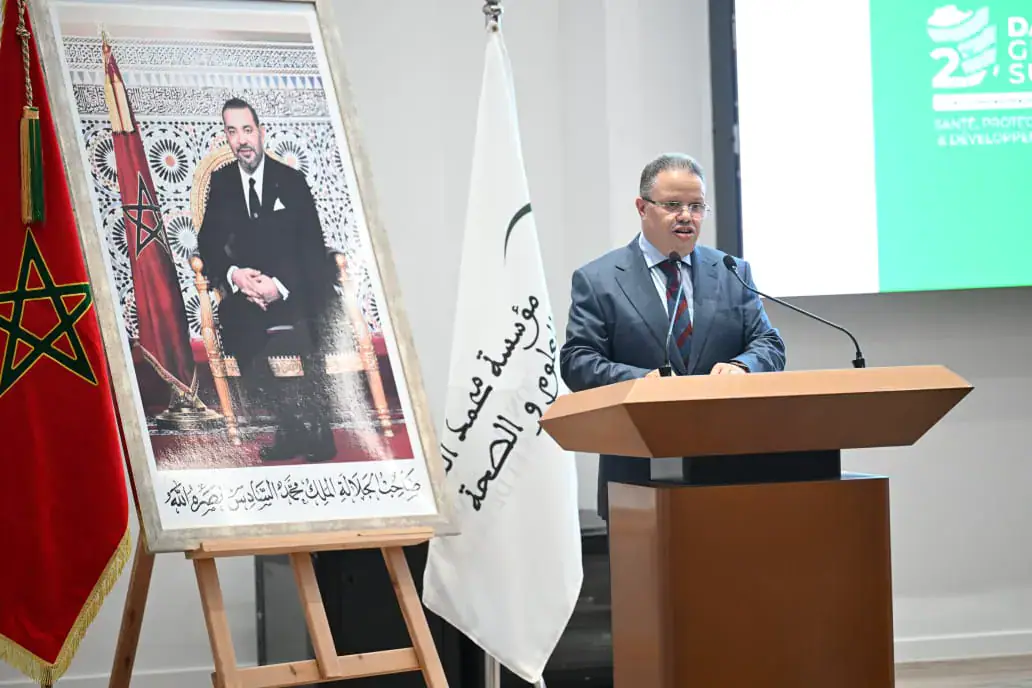
The 2nd edition of the Dakhla Summit on Health has commenced, with Moroccan Health Minister Pr Youns Bjijou delivering a keynote address. He emphasized that current healthcare and social protection systems face significant challenges, requiring profound transformations to ensure resilience and sustainability. These challenges are compounded by demographic and epidemiological transitions, which are placing increasing pressure on healthcare establishments.
Minister Bjijou stressed that proactive measures are essential to address these challenges. This includes investing in prevention, influencing behavior, and tailoring responses to the unique needs of each region. He noted that economic and social stability cannot be achieved without healthcare security and sovereignty. The COVID-19 pandemic has underscored the importance of integrating prevention, preparedness, and response to health threats into public policies through a multisectoral approach.
The Minister highlighted the need to strengthen local industrial capacities for the production of diagnostic tools, medications, vaccines, and other medical countermeasures. This would enable healthcare systems to become more autonomous and resilient. He also pointed out that advancements in digital technology, artificial intelligence, biotechnology, and diagnostic and therapeutic innovations offer new opportunities to rethink healthcare delivery.
In Morocco, these efforts are part of a broader sustainable development ambition led by King Mohammed VI, focusing on human dignity, solidarity, and social justice. The summit's theme, "Healthcare and Social Protection: A Royal Project," reflects this vision. Morocco has made significant progress in healthcare coverage, increasing it from 42% to nearly 89% of the population in a few years.
However, Minister Bjijou noted that expanding access to healthcare is not enough; a fundamental transformation of healthcare delivery and organization is required. This transformation aims to ensure effective, high-quality care and real financial protection for all citizens. He acknowledged that the reform process is demanding and requires collective effort and collaboration.
The Minister expressed his hope that the summit's declaration would be more than a statement of principle, but a concrete pact for action, with clear, solidary, and sustainable commitments. He called on participants, including policymakers, researchers, and practitioners, to combine their expertise and willpower in a spirit of openness, collective intelligence, and solidarity for the benefit of the continent.
The Dakhla Summit provides a platform for stakeholders to discuss and address the challenges facing healthcare and social protection systems. Minister Bjijou's address set the tone for the summit, emphasizing the need for cooperation and collective action to achieve sustainable and equitable healthcare systems. The summit aims to foster dialogue and collaboration among stakeholders to address these pressing issues.
Key points
- Moroccan Health Minister Pr Youns Bjijou calls for transformation in healthcare and social protection systems to address current challenges.
Reporting sources
- Sommet de Dakhla : le ministre marocain de la santé pointe les défis majeurs de la santé et de la protection sociale · Agence Nigérienne de Presse