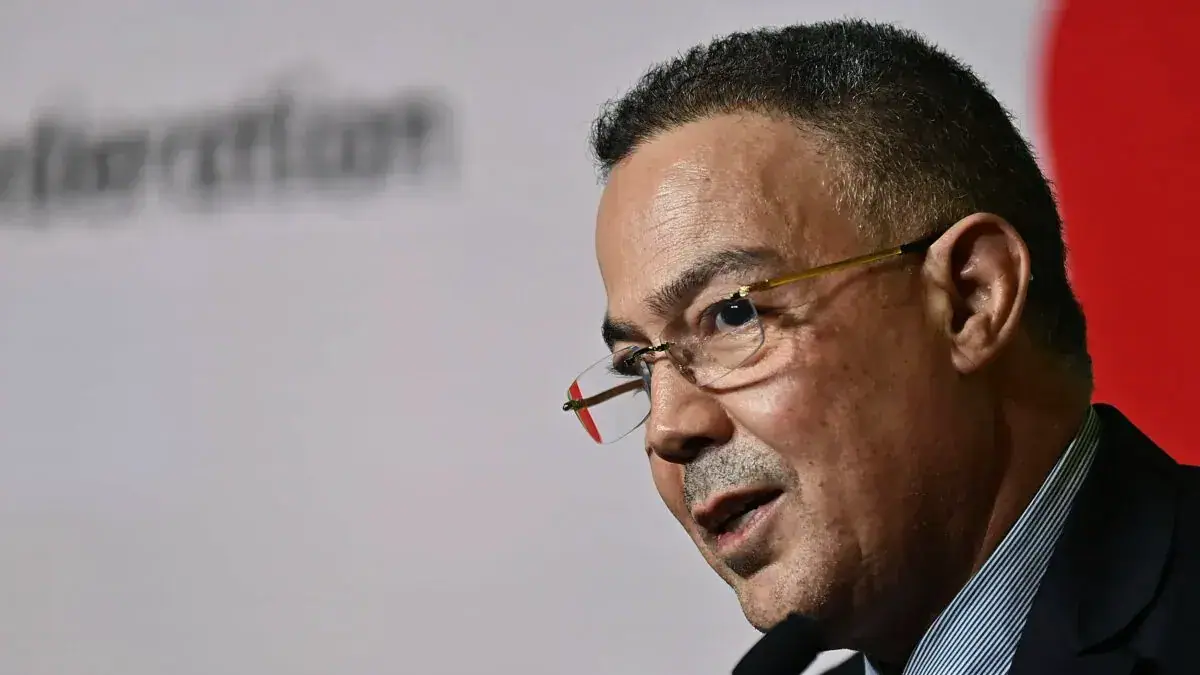
Morocco's Minister of Economy and Finance, Lekjaa, has stated that the government will not implement administrative controls on fuel prices. In a meeting with deputies, Lekjaa explained that such measures would put significant pressure on public finances. He estimated that implementing a generalized support mechanism for fuel would cost between 50 and 70 billion dirhams. This approach is part of a broader strategy to regulate the sector.
Lekjaa emphasized that the government is exploring alternative approaches to regulate the fuel sector. These approaches include fiscal measures, adjusting distributors' margins, and strategic storage. The government's strategy also involves considering the future of the Samir oil refinery. By adopting a different regulatory approach, the government aims to balance the needs of consumers and the financial sustainability of the sector.
The decision to reject fuel price controls and a generalized support mechanism is based on careful consideration of the potential impact on public finances. Morocco's economy has faced various challenges, including fluctuations in global fuel prices. The government's strategy seeks to mitigate these challenges while ensuring the smooth operation of the fuel sector.
Lekjaa's statement highlights the complexities of regulating the fuel sector in Morocco. The sector plays a critical role in the country's economy, and any regulatory measures must be carefully considered. The government's approach aims to strike a balance between supporting consumers and maintaining the financial sustainability of the sector.
The issue of fuel prices is a sensitive topic in Morocco, with implications for consumers and the broader economy. The government's decision to reject administrative price controls and a generalized support mechanism reflects its commitment to implementing effective and sustainable solutions. By exploring alternative approaches, the government aims to address the challenges facing the fuel sector.
Morocco's fuel sector is subject to various factors, including global price fluctuations and domestic demand. The government's regulatory strategy must take these factors into account while ensuring the sector's long-term sustainability. Lekjaa's statement underscores the government's commitment to finding effective solutions that balance competing interests.
The government's approach to regulating the fuel sector is part of a broader effort to promote economic stability and growth in Morocco. By adopting a nuanced and multi-faceted strategy, the government aims to address the challenges facing the sector while supporting the country's economic development.
Key points
- The Moroccan government has ruled out administrative fuel price controls and a generalized support mechanism for fuel due to the potential strain on public finances.
- The government is exploring alternative approaches to regulate the fuel sector, including fiscal measures and strategic storage.
- The decision reflects the government's commitment to implementing effective and sustainable solutions to address the challenges facing the fuel sector.