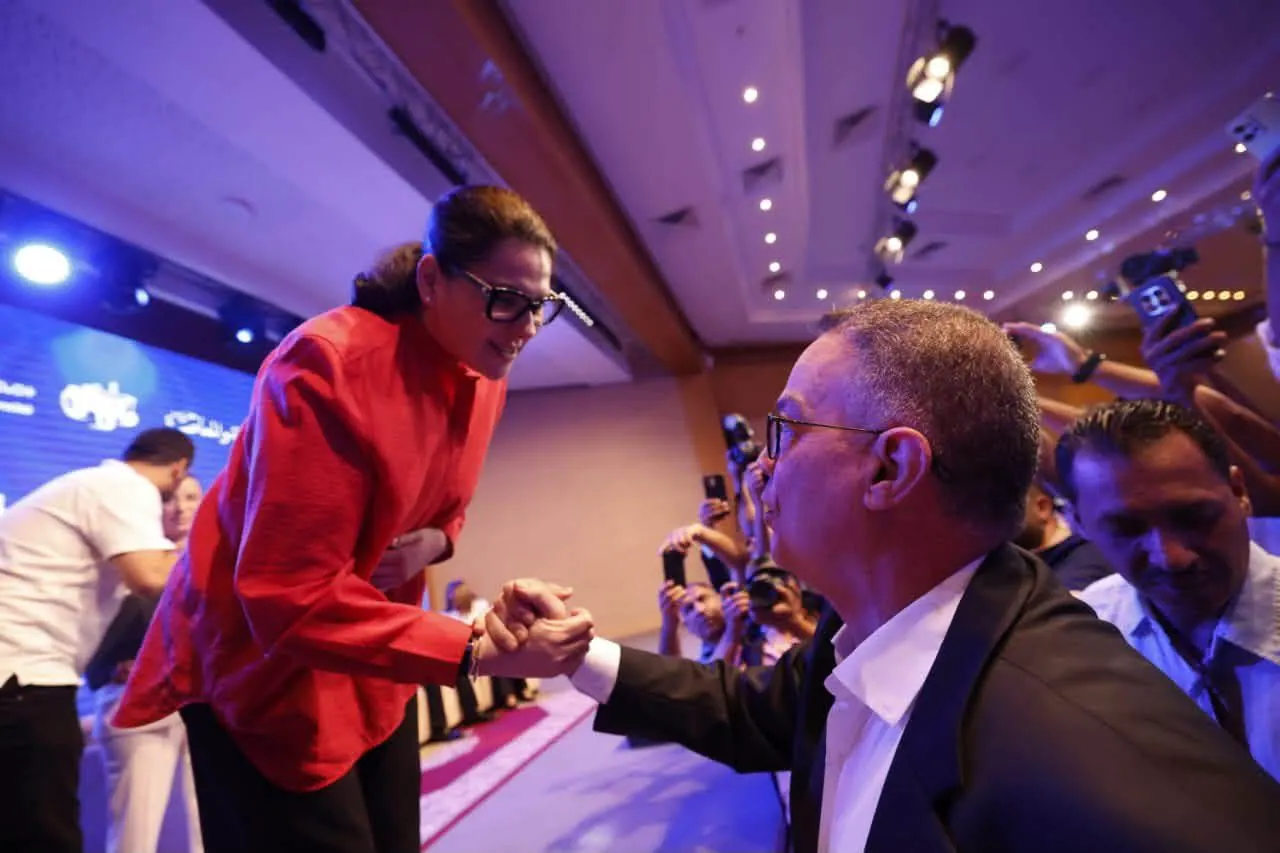
Morocco is currently gearing up for the formation of a new government following the elections held on September 23, 2026. The focus is on who will take the helm as the prime minister. Despite Fatima Zahra Mansouri, the national coordinator of the collective leadership of the Authenticity and Modernity Party (PAM), being a likely candidate due to her position, a more realistic view suggests that Fouzi Lekjaa is better suited for the role. Lekjaa has a strong background in managing large-scale projects and has previously served as the minister of budget.
Fouzi Lekjaa is not an ordinary official; he is a "general manager" who handles files with the mentality of a large corporation and achieves tangible results. As the minister of budget, he was responsible for managing the state's finances and making difficult financial decisions to fund healthcare coverage and direct support. Morocco currently needs someone with Lekjaa's skills, as the country prepares to host the 2030 World Cup, a project estimated to cost billions of dollars. Lekjaa has a strong network of international relations with financial and sports institutions such as FIFA and CAF.
Lekjaa's experience and skills make him a strong candidate for the prime minister position. He has a proven track record of achieving results, including Morocco's successful bid to host the 2030 World Cup. Additionally, he has a deep understanding of the financial and investment landscape, which is crucial for securing funding for large-scale projects. In contrast, Fatima Zahra Mansouri, although a skilled politician, lacks the technical expertise and experience required for the role.
Mansouri's profile is that of a classic politician, with a strong family background and a neutral electoral stance. However, her experience as the minister of housing and urban policy in the previous government was marked by challenges, including issues with social housing and the slow implementation of reconstruction programs in areas affected by the Al-Haouz earthquake. These challenges raise concerns about her ability to lead the government.
The prime minister needs to be a unifying figure who can work with different parties and interests. Mansouri's involvement in the internal politics of the PAM and her lack of technical expertise in economics and finance make her less suitable for the role. In contrast, Lekjaa's skills and experience make him well-equipped to handle the demands of the position.
The 2030 World Cup project requires a prime minister who can navigate complex financial and logistical challenges. Lekjaa's ability to manage large-scale projects and his experience working with international institutions make him a strong candidate for the role. The project's estimated cost of billions of dollars also requires a prime minister who can secure funding and make tough financial decisions.
Ultimately, the choice of prime minister will depend on the government's priorities and the skills required for the role. While Mansouri has her strengths as a politician, Lekjaa's technical expertise and experience make him a more suitable candidate for the position. The formation of the new government will be closely watched, as Morocco prepares to host the 2030 World Cup and tackle its economic challenges.
Key points
- Fouzi Lekjaa is considered a strong candidate for the prime minister position due to his experience in managing large-scale projects and his technical expertise in economics and finance.