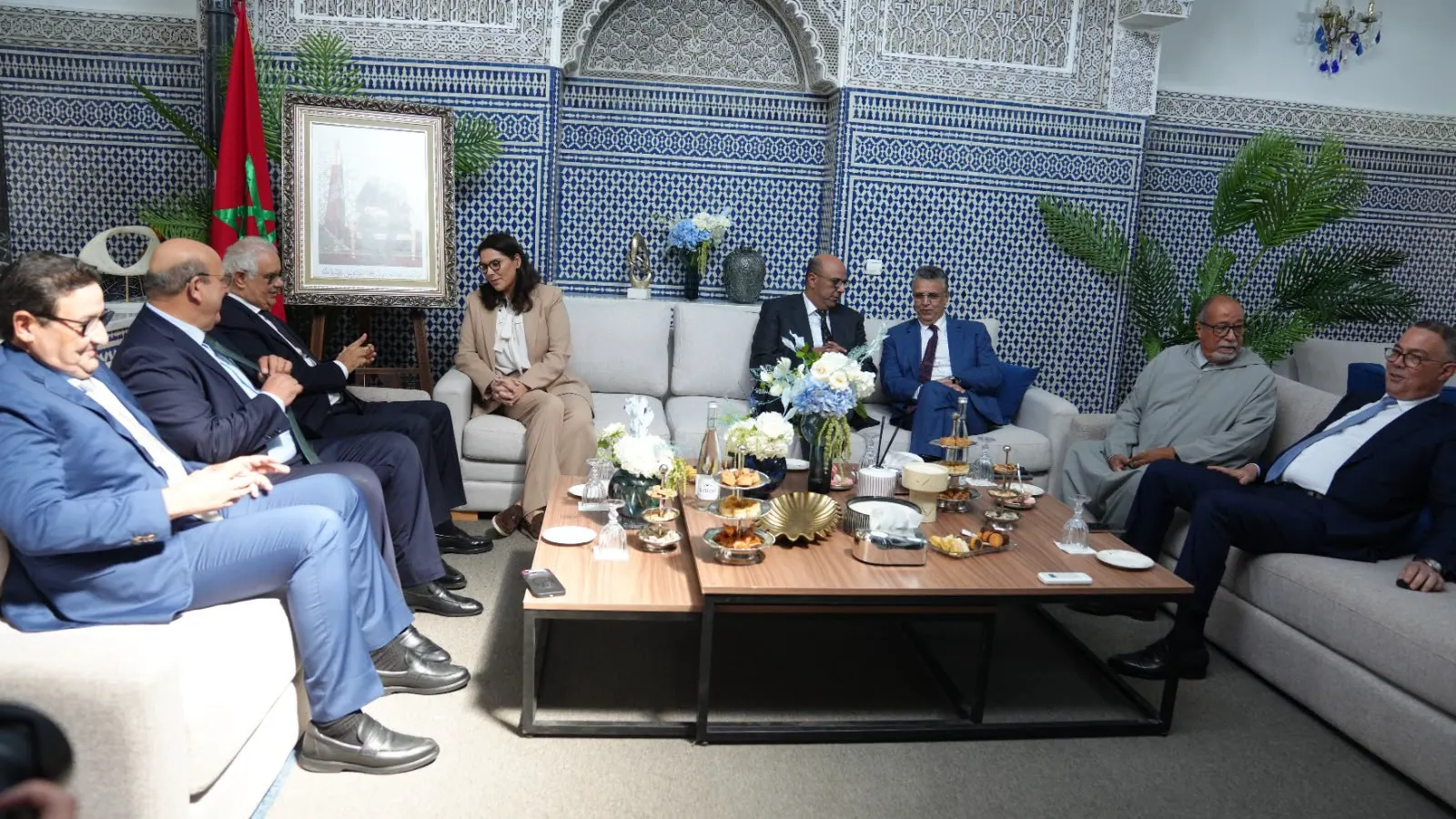
Moroccan Prime Minister-designate Fatima Ezzahra El Mansouri has begun consultations with various political parties to form a government. The first parties to be received were the Rassemblement National des Indépendants (RNI) and the Istiqlal party. These talks aim to establish a majority in the government. So far, no official decisions have been made public. The RNI has stated that it will prioritize the country's best interests in its decision-making.
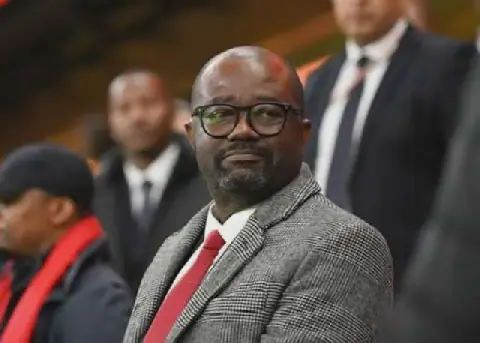
Nizar Baraka, leader of the Istiqlal party, has called for strengthening national unity and moving beyond electoral competition. This statement comes as the party considers its potential participation in the government. The Istiqlal party will reportedly consult with its National Council before making a final decision. This development is being closely watched as Morocco's government formation process continues.
The Istiqlal party's potential participation in the government is seen as significant due to its historical influence and current political stance. Analysts suggest that the party's involvement could bring stability and continuity to the government. The party's emphasis on economic and social issues, such as purchasing power and social state, may also play a role in its decision.
The RNI party has also expressed its intention to prioritize the country's interests in its decision-making process. This approach may help facilitate negotiations and contribute to the formation of a stable government. As talks continue, various parties are expected to engage in discussions with El Mansouri to determine the course of the government.
Meanwhile, other developments have taken place in Morocco's political landscape. The mayor of Tangier was recently taken into custody after returning to Morocco in connection with an electoral fraud case. Additionally, the PAM party emerged as the leading force in the recent legislative elections in Sidi Bennour, while the Istiqlal party regained a seat after a long absence.
The ongoing government formation talks are being closely followed by Moroccans, who are eager to see a stable government take shape. The country's economic and social challenges require effective governance, and the formation of a government is seen as a crucial step in addressing these issues. As the talks progress, the parties involved will need to navigate their differences and find common ground.
The government formation process in Morocco is expected to conclude soon, with the parties involved working to reach an agreement. The outcome will likely have significant implications for the country's future, and Moroccans are watching with interest. Key issues, such as economic development and social welfare, will likely be at the forefront of the government's agenda.
Key points
- Nizar Baraka calls for national unity and moving beyond electoral competition.
- The Istiqlal party will consult with its National Council before deciding on government participation.
- The RNI party prioritizes the country's best interests in its decision-making process.