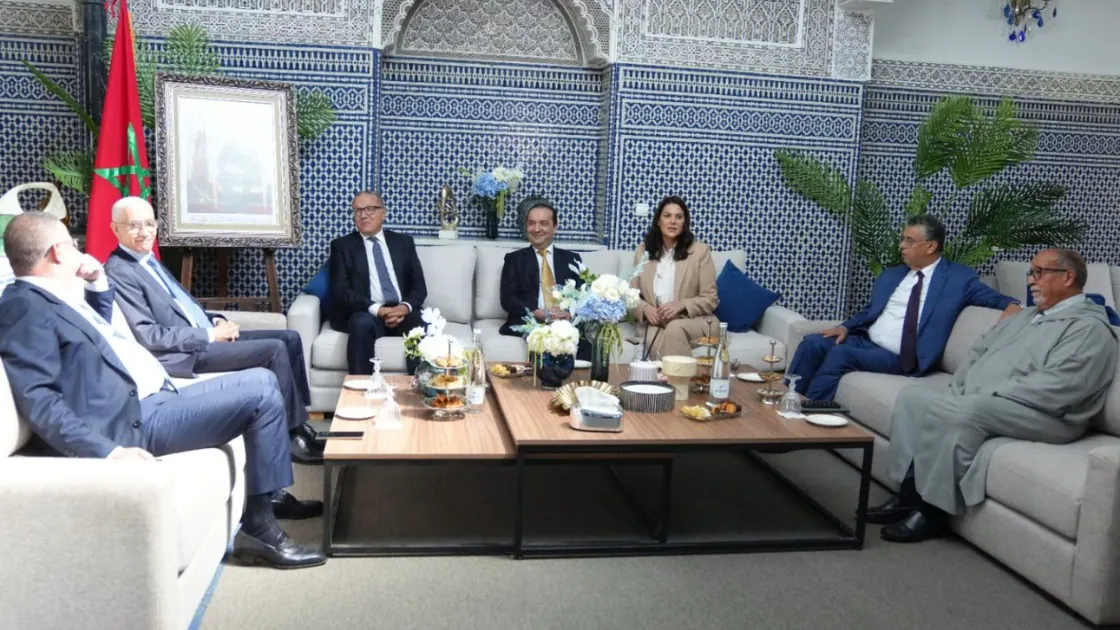
Morocco's newly appointed head of government, El Mansouri, has started consultations with various parties to form a government. This development comes after her recent nomination by the King. El Mansouri's approach involves engaging with different political parties to explore potential alliances. Her strategy will likely determine the composition of the new government.
Two main scenarios are currently being considered for the government formation. The first scenario involves a return to a tripartite alliance, which has been a successful model in the past. The second scenario entails forming an expanded majority, which could include several smaller parties. Both options have their advantages and challenges, and the outcome will depend on the negotiations.
The Istiqlal party, a key player in Moroccan politics, will decide on its participation in the government on Saturday. This decision is highly anticipated, as it will significantly influence the formation of the new government. The party's leader, Nizar Baraka, has called for strengthening the front interior and moving beyond electoral competition.
El Mansouri's consultations have already begun with the RNI and Istiqlal parties. These talks aim to assess the feasibility of an alliance and the potential terms of the agreement. The head of government's approach is focused on finding a balance between the different parties' interests and the need for a stable government.
The Istiqlal party has a vested interest in participating in the government, particularly in terms of economic and social policies. The party's presence in the government would ensure continuity of existing projects and initiatives. Additionally, it would enable the party to influence policies related to purchasing power and the social state.
The formation of the new government is taking place against the backdrop of ongoing challenges, including the recent surge in hydrocarbon prices. The government has maintained its exceptional support for fuel prices, which has had a significant impact on the country's economy. The new government's priorities will likely include addressing these economic challenges.
As El Mansouri's consultations continue, the various parties involved will need to navigate their differences and find common ground. The outcome of these talks will determine the shape of the new government and its ability to address Morocco's challenges. The process is expected to be complex, but ultimately, it will lead to a new government that can tackle the country's pressing issues.
Key points
- El Mansouri's government formation approach involves engaging with different parties to explore potential alliances.
- The Istiqlal party's decision on participation will significantly influence the formation of the new government.
- The new government's priorities will likely include addressing economic challenges, such as the recent surge in hydrocarbon prices.