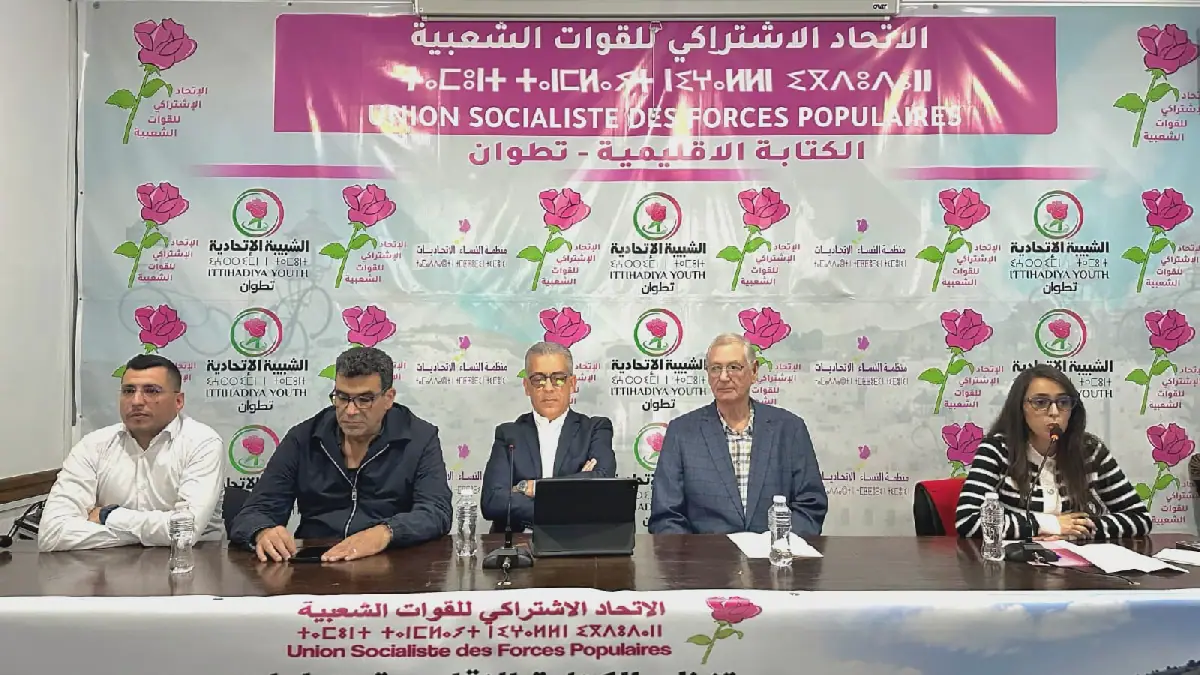
The Moroccan government is under scrutiny over its proposed 2027 budget, with critics calling for a focus on social justice and tangible improvements in citizens' lives. Kmal Heshomi, Minister of State for Primary Education and Combating School Dropout, emphasized that the budget discussion should not be limited to numbers and financial allocations, but rather on the economic and social choices that shape wealth distribution. He made these comments at a recent symposium in Tangier organized by the Socialist Forces Union party.
Heshomi highlighted that the true test of public policy evaluation lies not only in the size of budgets allocated to social sectors but also in their ability to translate government commitments into concrete actions that positively impact household income, public service quality, job opportunities, and living standards. He stressed that the government's participation in the coalition is based on converging on several choices and programs within a government alliance that requires consensus on priorities and shared political responsibility.
The minister emphasized that being part of the government should not be an end in itself but a means to defend programs and visions that respond to citizens' expectations and work to transform electoral promises into specific, time-bound, and financially clear measures. He warned that any increase in income may lose its social impact if prices continue to erode households' purchasing power. Heshomi called for a comprehensive approach to achieving social justice, including monitoring distribution channels, addressing practices that contribute to rising basic material prices, and ensuring support reaches those entitled to it fairly and transparently.
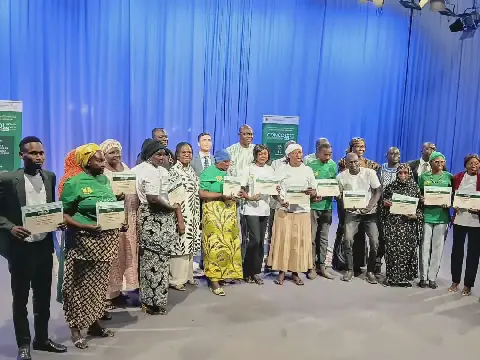
In a separate event in Agadir, Heshomi reiterated the importance of investing in education and health as strategic investments in the country's future, not just financial expenses. He highlighted the significance of early childhood education as a foundational stage in a child's educational journey, requiring the provision of equipment, human resources, and improved service quality, particularly in areas still facing difficulties accessing these services.
Mohamed Suali, regional writer for the Socialist Forces Union party in Tangier and member of the Political Bureau, echoed Heshomi's sentiments, stating that the success of the budget is not measured solely by the size of financial allocations but by its effectiveness in responding to social expectations and achieving tangible results that positively impact citizens' daily lives. Suali emphasized the need to move from reading the budget as mere numbers and financial allocations to questioning it as a public policy that should be evaluated for its effectiveness and impact on the ground.
The discussion also touched on regional disparities, with Suali noting that the Tangier region faces significant challenges in employment, investment, and infrastructure. He expressed concern about the lack of cultural facilities and large spaces to host events and meetings, despite the city's cultural and historical significance. The events highlighted the need for a more nuanced approach to budget allocation, prioritizing projects that address the specific needs of different regions.
The 2027 budget has sparked intense debate in Morocco, with various stakeholders calling for a more equitable distribution of resources and a focus on social justice. The government's response to these concerns will be closely watched, as citizens and opposition parties scrutinize its commitment to improving living standards and addressing regional disparities. Key points include the need for a comprehensive approach to social justice, the importance of investing in education and health, and the imperative of ensuring that budget allocations translate into tangible improvements in citizens' lives.
Key points
- The 2027 budget prioritizes social justice and tangible improvements in citizens' lives.
- The government's participation in the coalition is based on converging on several choices and programs.
- The success of the budget is not measured solely by the size of financial allocations.