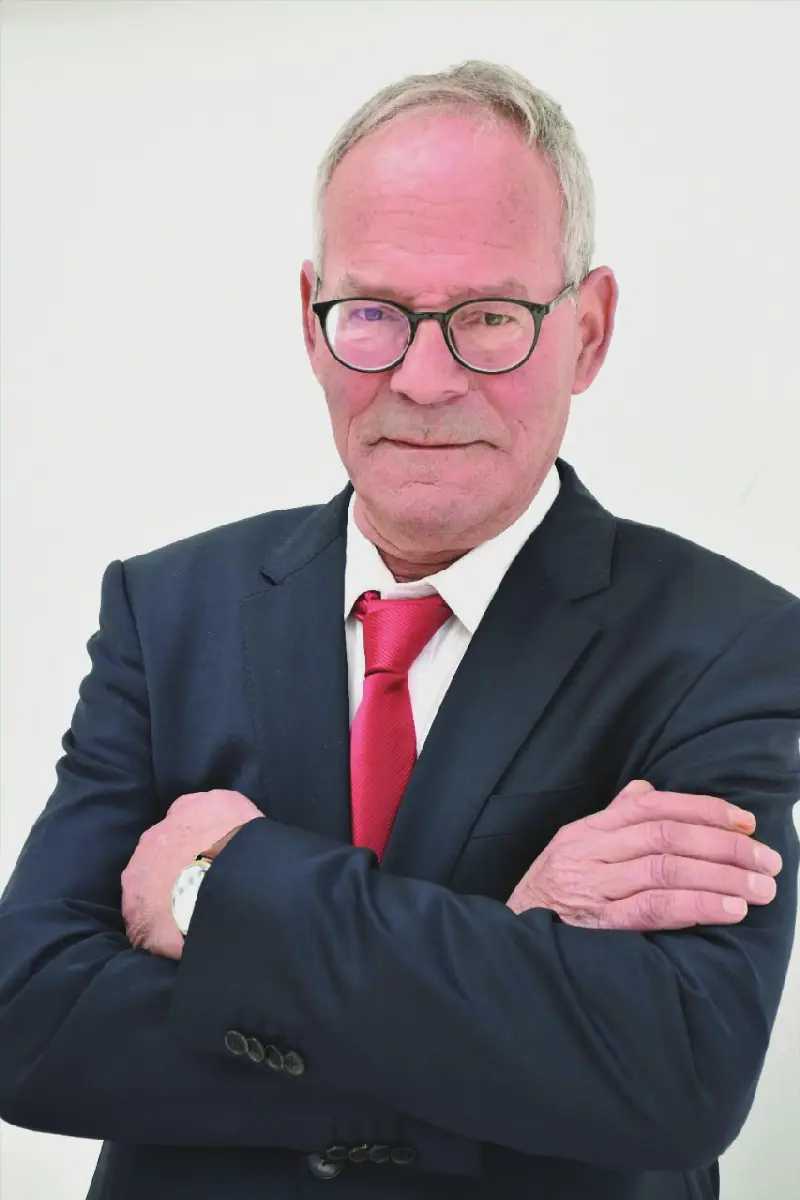
The Moroccan government, led by Prime Minister Aziz Rabbah, but more commonly referred to with the name of the minister of interior, Abdelouafi Laftit, is waging its first major social battle as it attempts to control rising prices and protect the purchasing power of citizens. The government's efforts to address the issue have been met with skepticism, with many questioning whether its measures will be effective in addressing the root causes of the problem. The issue is complex, with many factors contributing to the rising prices, including production and distribution costs, as well as the role of intermediaries and market speculation.
The government's approach to addressing the issue has been criticized for being too focused on short-term measures, such as sending monitoring committees to markets and imposing fines on those found to be engaging in unfair practices. While these measures may help to address some of the symptoms of the problem, they do not address the underlying structural issues that are driving the price increases. To effectively address the issue, the government will need to adopt a more comprehensive approach that includes policies aimed at increasing production, improving distribution, and reducing the role of intermediaries.
One of the key challenges facing the government is the need to balance its efforts to control prices with the need to ensure that its policies do not have unintended consequences, such as shortages or black market activity. The government has announced that protecting the purchasing power of citizens is a top priority, but it will need to be careful in its approach to avoid exacerbating the problem. This will require close coordination between different government ministries and agencies, as well as with local authorities and other stakeholders.
The issue of rising prices is a complex one, and there is no easy solution. However, the government has a critical role to play in addressing the issue, and its efforts will be closely watched by citizens and other stakeholders. The government has established a number of committees and working groups to address the issue, and it has announced plans to increase transparency and accountability in the production and distribution of essential goods.
Despite the challenges, there are some positive signs that the government's efforts may be starting to pay off. According to reports, the government has made some progress in reducing the price of certain essential goods, and it has also taken steps to improve the transparency and accountability of the production and distribution process. However, much work remains to be done, and the government will need to continue to work closely with all stakeholders to address the issue.
The government's efforts to address the issue of rising prices are also being closely watched by international observers, who are interested in seeing how Morocco will address this critical challenge. Morocco has a reputation for being a stable and prosperous country, and its ability to manage the issue of rising prices will be seen as a test of its economic and social resilience.
In conclusion, the Moroccan government faces a major social battle as it seeks to control rising prices and protect the purchasing power of citizens. While the issue is complex and there is no easy solution, the government has a critical role to play in addressing the issue, and its efforts will be closely watched by citizens and other stakeholders.
Key points
- The government will need to adopt a comprehensive approach that includes policies aimed at increasing production, improving distribution, and reducing the role of intermediaries.
Reporting sources
- حكومة المنصوري تخوض أولى معاركها الاجتماعية الكبرى · Al Ittihad Al Ichtiraki