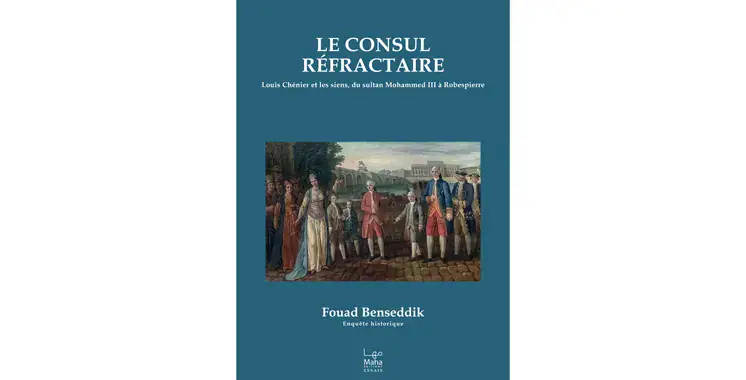
Moroccan historian Fouad Benseddik has published a book titled "Le Consul réfractaire. Louis Chénier et les siens, du sultan Mohammed III à Robespierre" that sheds new light on the diplomatic relations between Morocco and France during the 18th century. The book, published by Maha Éditions, examines the life and times of Louis Chénier, a French consul in Morocco from 1767 to 1782. Benseddik's work is based on a thorough analysis of diplomatic archives, Moroccan and Spanish chronicles, and historical research.
The book focuses on the complex relationships between Morocco and European powers, particularly France and Spain, during the reign of Sultan Mohammed III. Benseddik highlights the sultan's efforts to modernize the country, develop its ports, and liberate Muslim captives. The author also explores the challenges faced by Chénier, who struggled to understand the local culture and language. Chénier's correspondence and reports provide valuable insights into the politics and society of Morocco during that period.
Benseddik's research also delves into the personal life of Chénier and his family. The consul's son, André Chénier, was a poet who was guillotined in 1794 during the French Revolution. Another son, Marie-Joseph Chénier, was a playwright and politician who played a significant role in the Revolution. The book examines the impact of the Revolution on the Chénier family and their connections to the French and Moroccan monarchies.
The author raises important questions about the construction of historical memory and the impact of prejudice and influence on diplomatic relations. Benseddik's work challenges common assumptions about the history of Moroccan-French relations and provides a nuanced understanding of the complexities of 18th-century diplomacy. The book is a significant contribution to the field of historical research and offers a fresh perspective on the history of Morocco and its relations with European powers.
Sultan Mohammed III is portrayed as a key figure in the book, known for his efforts to modernize Morocco and assert its independence. He was the first to recognize American independence, and his policies had a lasting impact on the country's relations with European powers. Benseddik's research highlights the sultan's achievements and challenges, providing a more detailed understanding of his reign and its significance in Moroccan history.
The book also explores the cultural and literary significance of the Chénier family's story. André Chénier's poetry and Marie-Joseph's plays are still studied and performed today, and their legacy continues to be felt in French literature and culture. Benseddik's work provides a fascinating glimpse into the lives of these literary figures and their connections to the French Revolution and Moroccan history.
Overall, Benseddik's book offers a rich and nuanced exploration of Moroccan-French relations during the 18th century. By examining the life and times of Louis Chénier and his family, the author provides a unique perspective on the complexities of diplomatic relations and the construction of historical memory. The book is a valuable contribution to the field of historical research and will be of interest to scholars and readers alike.
Key points
- The book "Le Consul réfractaire" sheds new light on the diplomatic relations between Morocco and France during the 18th century.
- Sultan Mohammed III is portrayed as a key figure in the book, known for his efforts to modernize Morocco and assert its independence.
- The author raises important questions about the construction of historical memory and the impact of prejudice and influence on diplomatic relations.