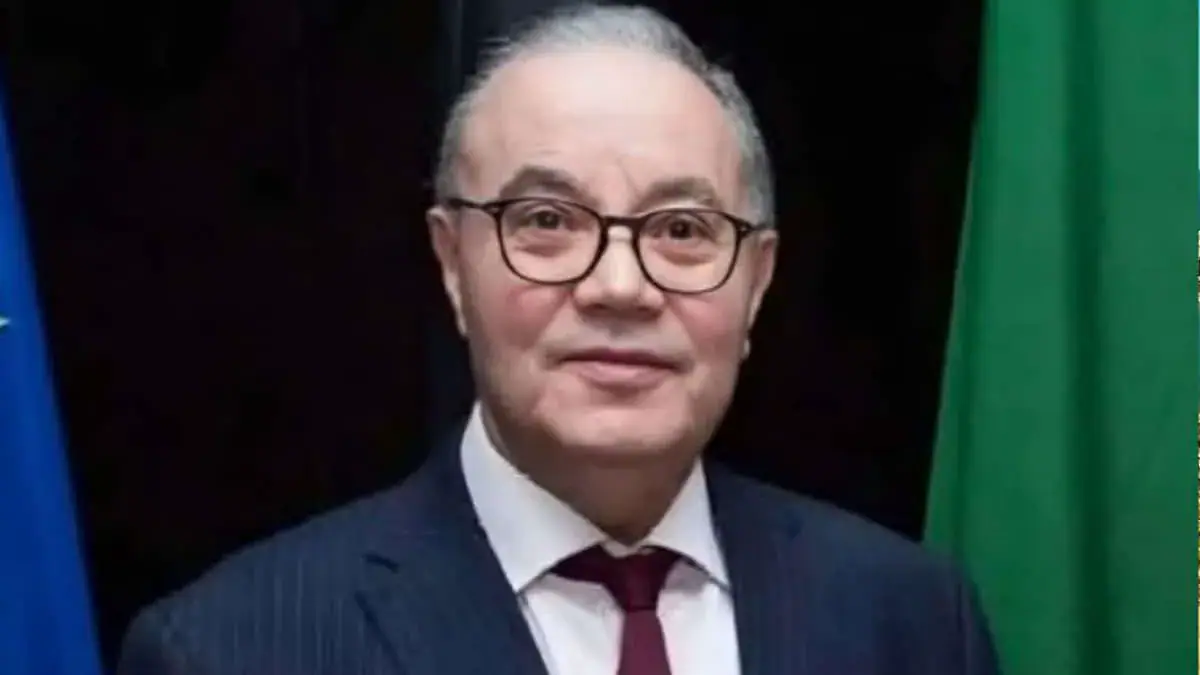
On September 22, Moroccan Foreign Minister Nasser Bourita delivered a speech at the UN General Assembly, which was met with criticism from Algeria. In response, Algerian Ambassador Amar Belani wrote an article highlighting what he described as "amnesia" and "schizophrenia" in Morocco's diplomatic approach to the Western Sahara issue. Belani argued that Bourita's speech was characterized by condescension and a selective reading of the facts.
Bourita's speech outlined six "principles" for resolving the Western Sahara conflict, which Algeria has strongly criticized. The first principle posits that autonomy under Moroccan sovereignty is the only solution, which Belani argues is an attempt to predetermine the outcome of negotiations. The Algerian ambassador pointed out that UN Resolution 2797 calls for discussions without preconditions, based on the Moroccan proposal, to achieve a mutually acceptable political solution that guarantees the self-determination of the Sahrawi people.
Belani also criticized Bourita's second principle, which states that negotiations should only be conducted under UN auspices, exclusively based on the autonomy initiative. The Algerian ambassador argued that this approach is "original" and ignores the UN resolution that calls for parties to present ideas and suggestions for a final and mutually acceptable solution. He emphasized that the UN framework is meant to prevent one party's proposal from becoming the imposed solution.
The Algerian ambassador took issue with Bourita's third principle, which suggests that there should be no discussion or contestation on the responsibility of the four parties involved. Belani argued that a UN Security Council resolution does not grant any party the right to unilaterally assign responsibilities. He also noted that Algeria participates in the process as a neighboring country, not as a party to the conflict.
Belani also responded to Bourita's fourth principle, which states that there can be no maintenance of the status quo. While no one advocates for the perpetuation of the status quo, Belani argued that exiting it does not mean accepting a solution that has not been accepted by the other party. He emphasized that for Algeria and the Polisario Front, exiting the status quo requires giving the Sahrawi people a genuine opportunity to determine their own future.
The Algerian ambassador also criticized Bourita's fifth and sixth principles, which relate to the ceasefire and the situation in the Tindouf camps. Belani pointed out that the ceasefire collapsed in 2020 when Moroccan forces occupied the demilitarized zone of Guerguerat, and that it is hypocritical for Morocco to claim to be a defender of the ceasefire while ignoring the circumstances of its collapse.
In conclusion, Belani argued that Bourita's six principles reveal the central difficulty of Morocco's position, which is to seek negotiations while trying to predetermine the framework, interlocutors, responsibilities, and outcome. He emphasized that this approach is at odds with the UN Security Council's call for negotiations in good faith and without preconditions.
Key points
- Algeria criticizes Moroccan Foreign Minister's speech at UN General Assembly
- Moroccan FM outlines six principles for resolving Western Sahara conflict
- Algerian ambassador accuses Morocco of "amnesia" and "schizophrenia" in diplomatic approach
Reporting sources
- Bourita à l’ONU : entre amnésie historique et schizophrénie diplomatique · tsa-algerie.com